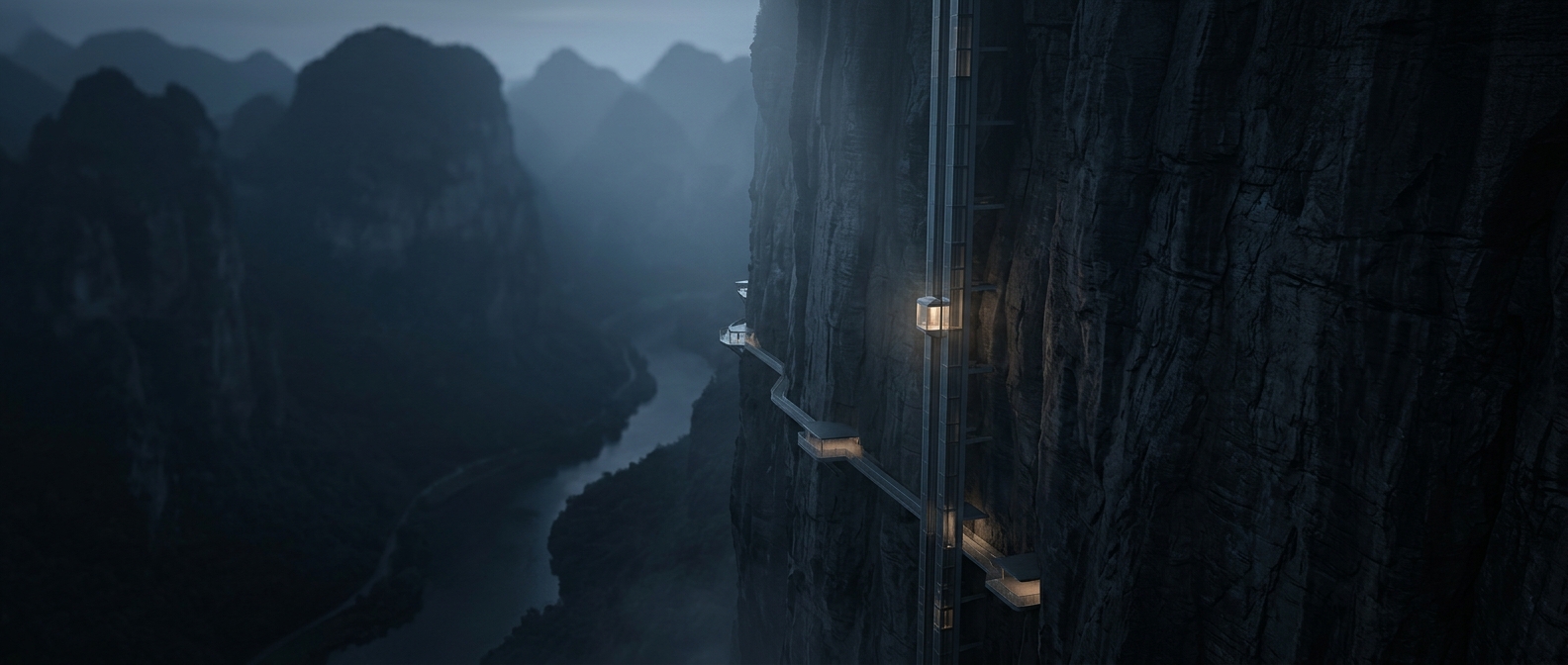
A lift supported by the mountain
A conventional elevator runs inside a building whose walls and frame carry the machinery and the forces of the moving car. The Hammetschwand lift has no building around it: its steel framework is fixed to the cliff, and the rock is part of the structure that supports the ride.
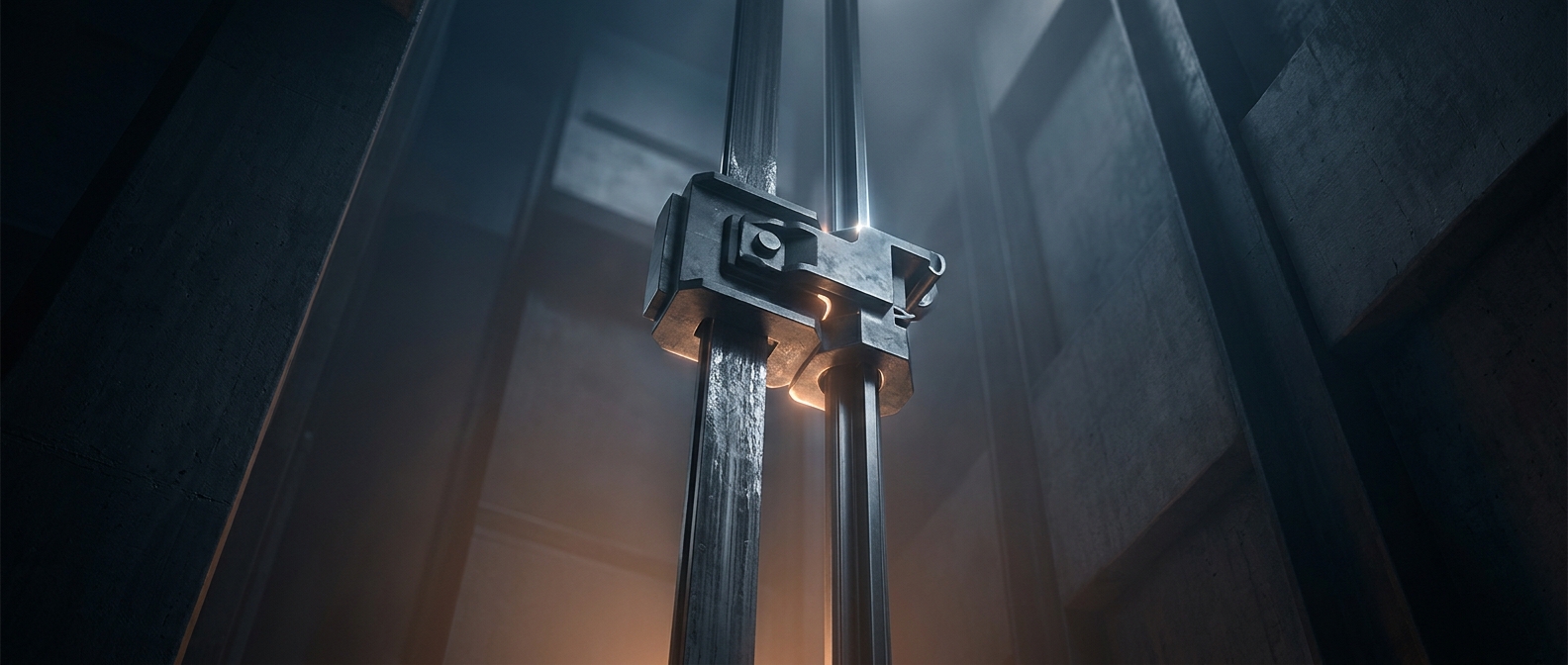
As the car rises, guide rails keep it on course while the framework resists the sideways forces that could otherwise make a tall, narrow elevator sway. Anchoring the structure to the cliff lets it follow the steep face instead of requiring a tower standing independently on the mountainside.
Replacing the steepest part of the journey
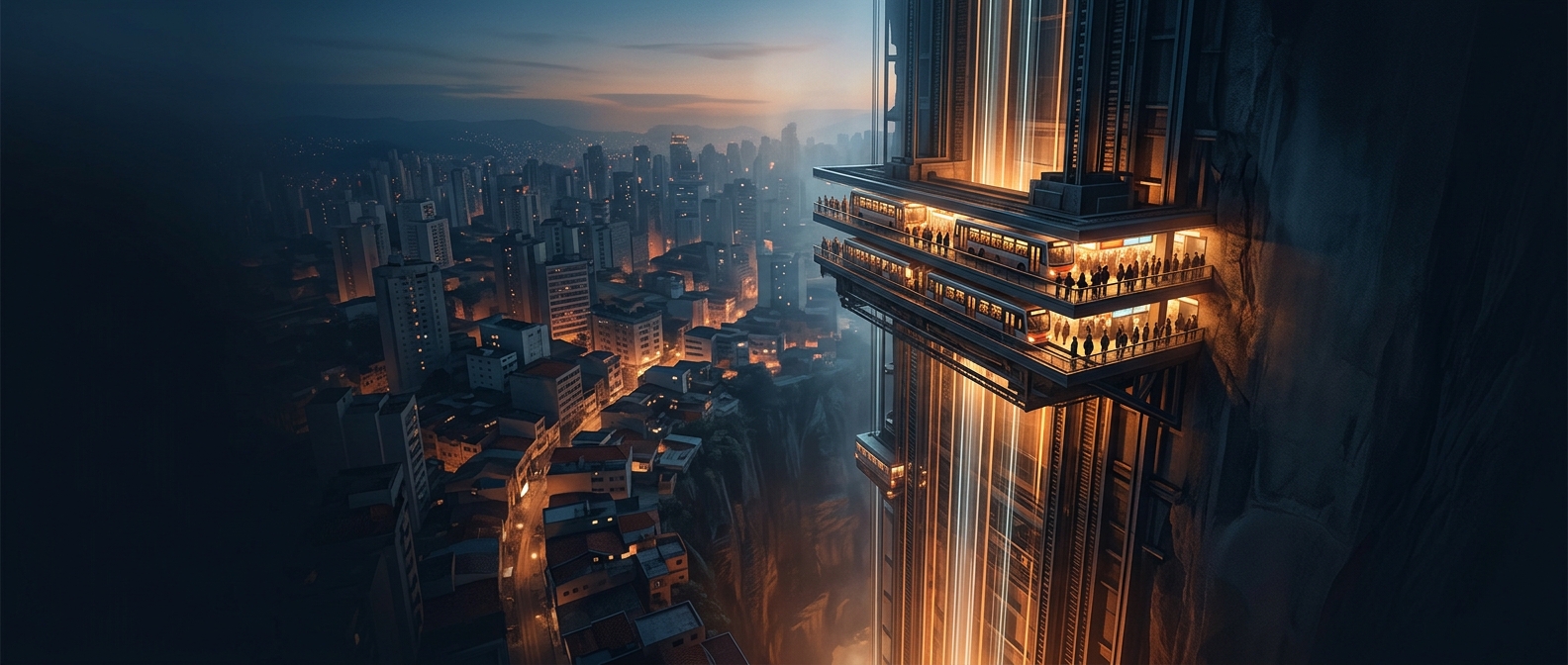
The lift makes a sharp change in how visitors reach the heights above Lake Lucerne. Rather than climbing the whole steep route on foot, they can ride directly up the rock face; paths at the top connect the arrival point with the surrounding mountain landscape.
That convenience comes with an unusual engineering bargain: the route is short and direct, but the elevator has to be secured to exposed terrain rather than sheltered inside a building. The result is not simply a lift placed beside a mountain—it is a lift whose supporting structure is bolted into the mountain itself.