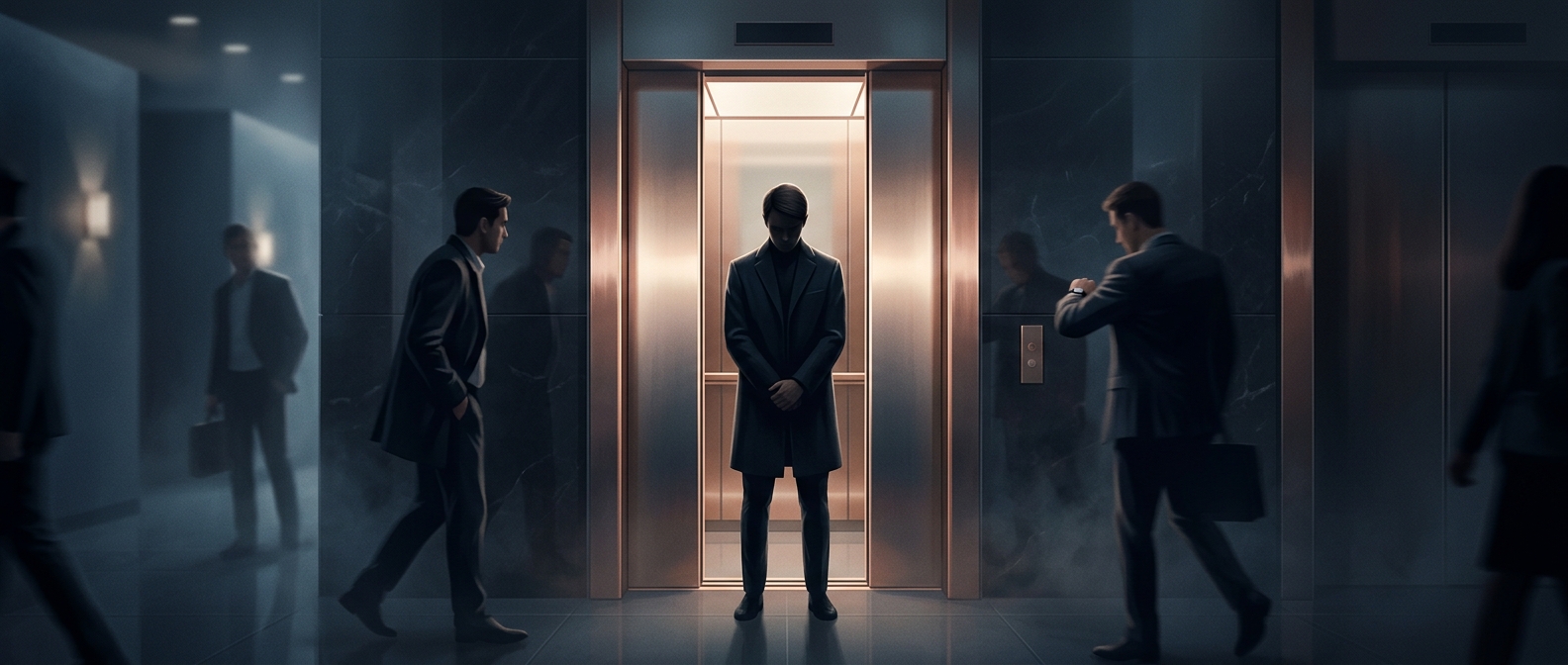
Why Elevator Boarding Starts at the Sides
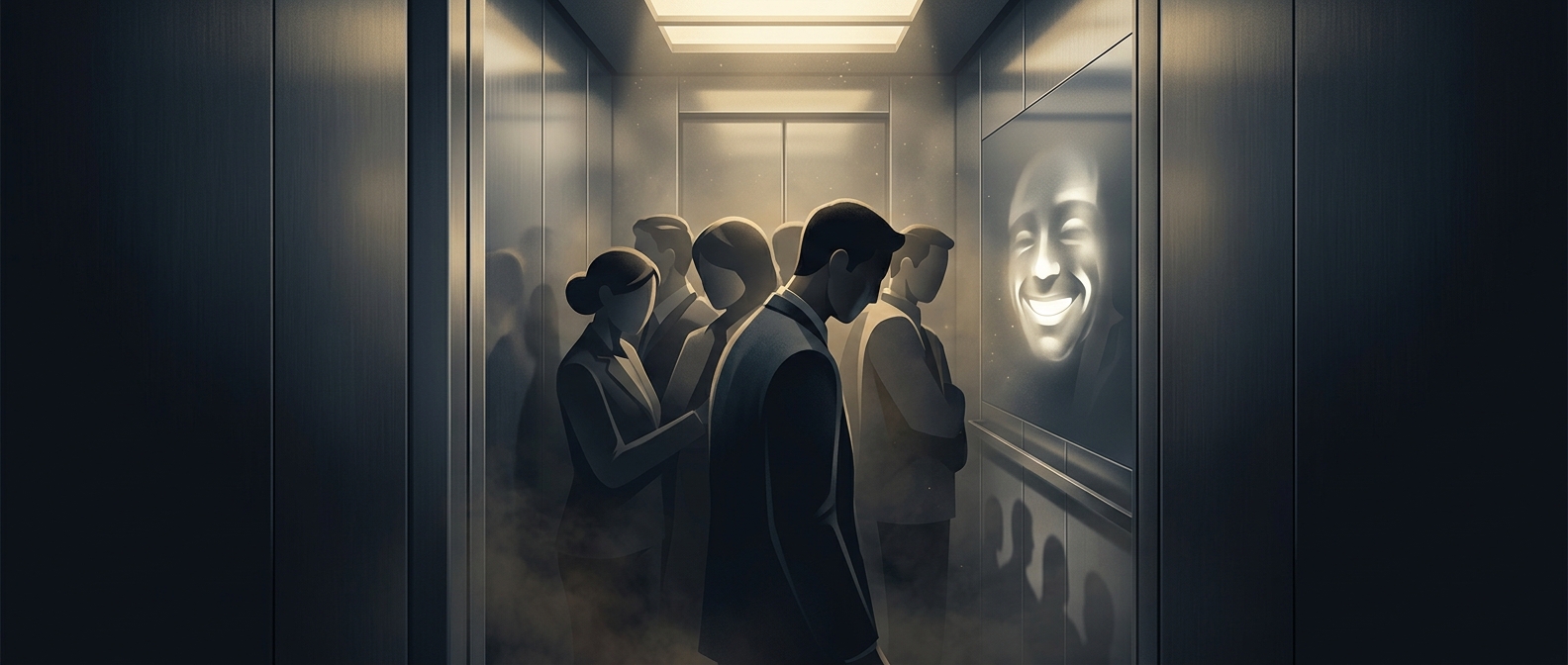
An elevator works best when passengers leaving and entering use the doorway in sequence, not as opposing crowds. People inside need room to step into the lobby; people waiting need a clear view of who is getting off and space to move in afterward. Standing directly in the opening can turn that simple exchange into a bottleneck: departing passengers must squeeze around the queue, while incoming passengers hesitate or press forward before the car is empty.
Waiting along the sides keeps the doorway open as a shared passage. It also lets people exiting see a way out, reducing the awkward stop-and-start that can happen when a crowd forms a solid barrier in front of the car.
What the Door Sensors Can—and Can’t—Do
Elevator door sensors detect an obstruction in the closing path and can stop or reverse the doors. That safety function helps prevent the panels from closing on a person, but it does not control the crowd outside or make space for someone to exit. If passengers block the opening, the doors may remain open while people negotiate their way through, delaying everyone’s trip.
The useful distinction is between protecting the doorway and keeping it usable. Sensors handle the first; waiting passengers handle the second. A small step to either side gives the car’s occupants a clear route out, after which the next group can board without turning the lobby into a second doorway.