The elevator smile is a tiny social repair
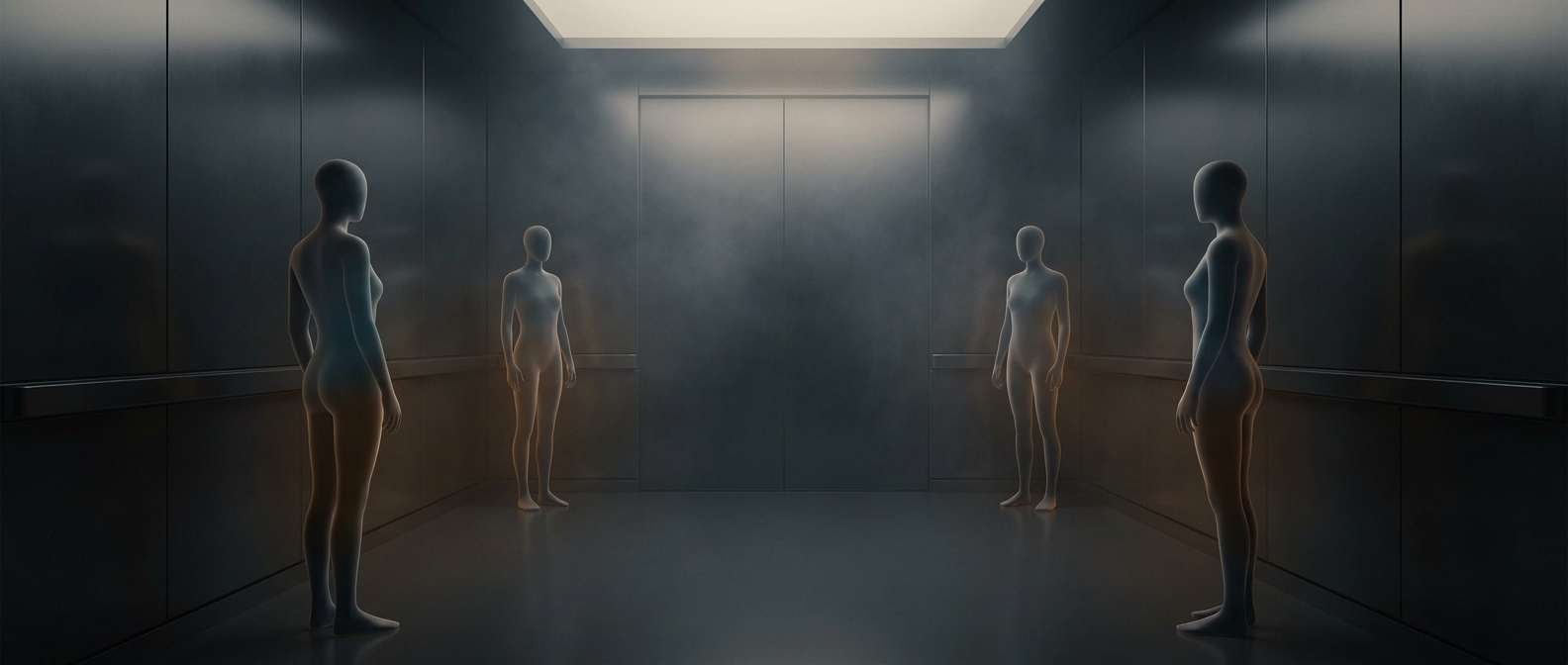
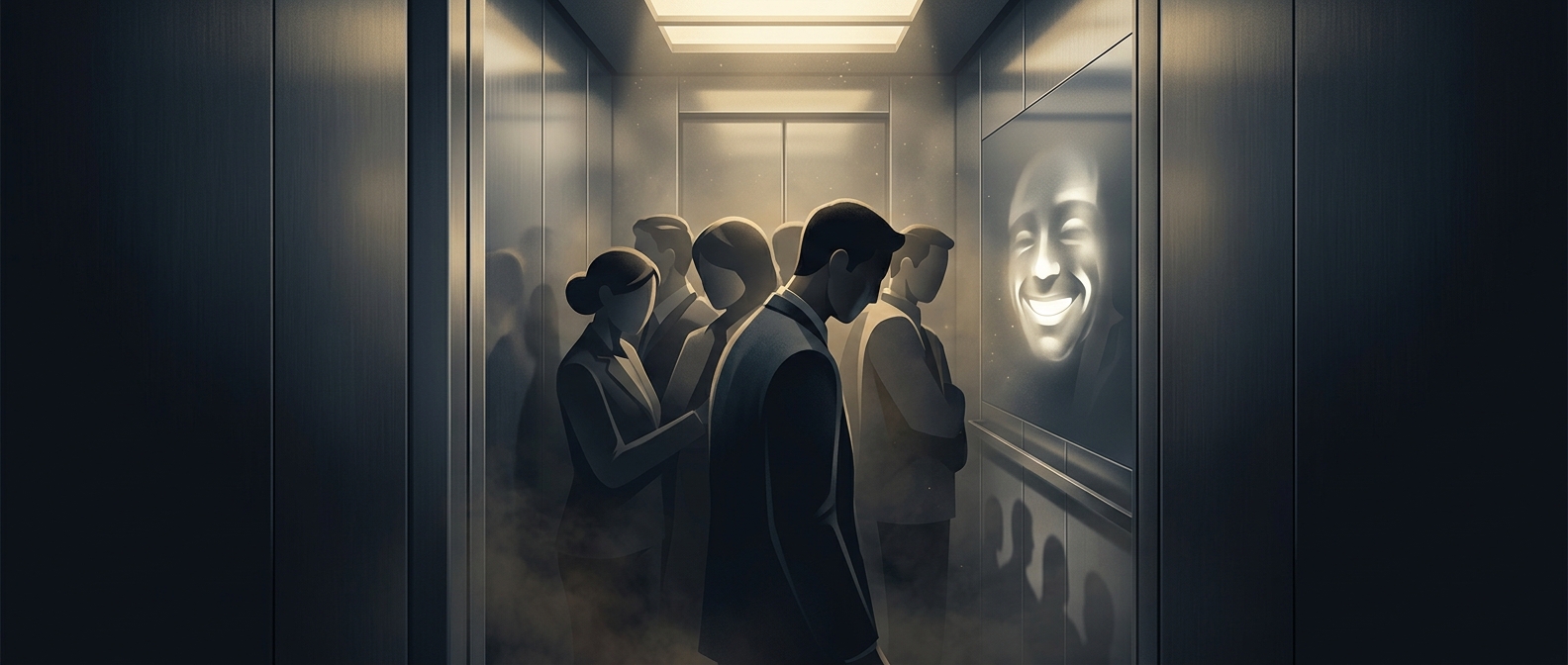
An elevator creates an unusual social situation: strangers are brought close together, but usually have no reason to interact. The ride is too short for a real conversation, and the small space makes ignoring one another feel conspicuous. A quick smile helps resolve that mismatch. It acknowledges the newcomer while signaling that the interruption or crowding is not a problem.
Why the signal stays brief
People in shared public spaces often use civil inattention: they register one another without inviting a longer exchange. In an elevator, that can mean a glance, a slight smile, then attention back to the floor display or doors. The gesture is warm enough to ease tension, but limited enough to leave both people free to remain quiet.
That brevity matters. A stranger who has just stepped into a crowded car cannot easily create more distance, and a full conversation would demand attention from everyone present. A small expression offers reassurance without adding another social obligation.
Politeness without a conversation
The smile need not express delight. It can function more like a miniature courtesy—similar to a nod when someone passes in a narrow hallway. It recognizes the shared space and helps keep an awkward moment from becoming a question of whether anyone is annoyed.
Then the elevator reaches a floor, the doors open, and the temporary arrangement ends. The smile has done its job without requiring either stranger to remember the other.