A closed eye changes the social signal
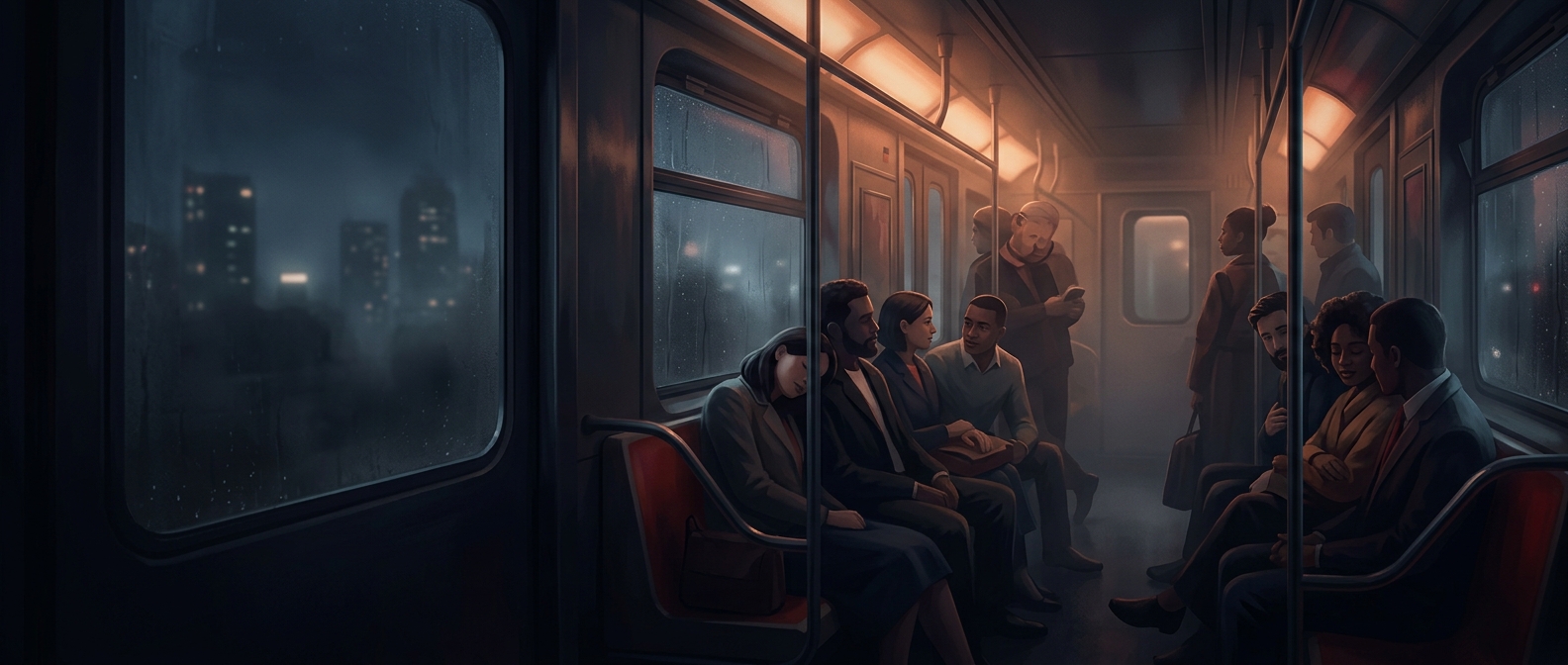
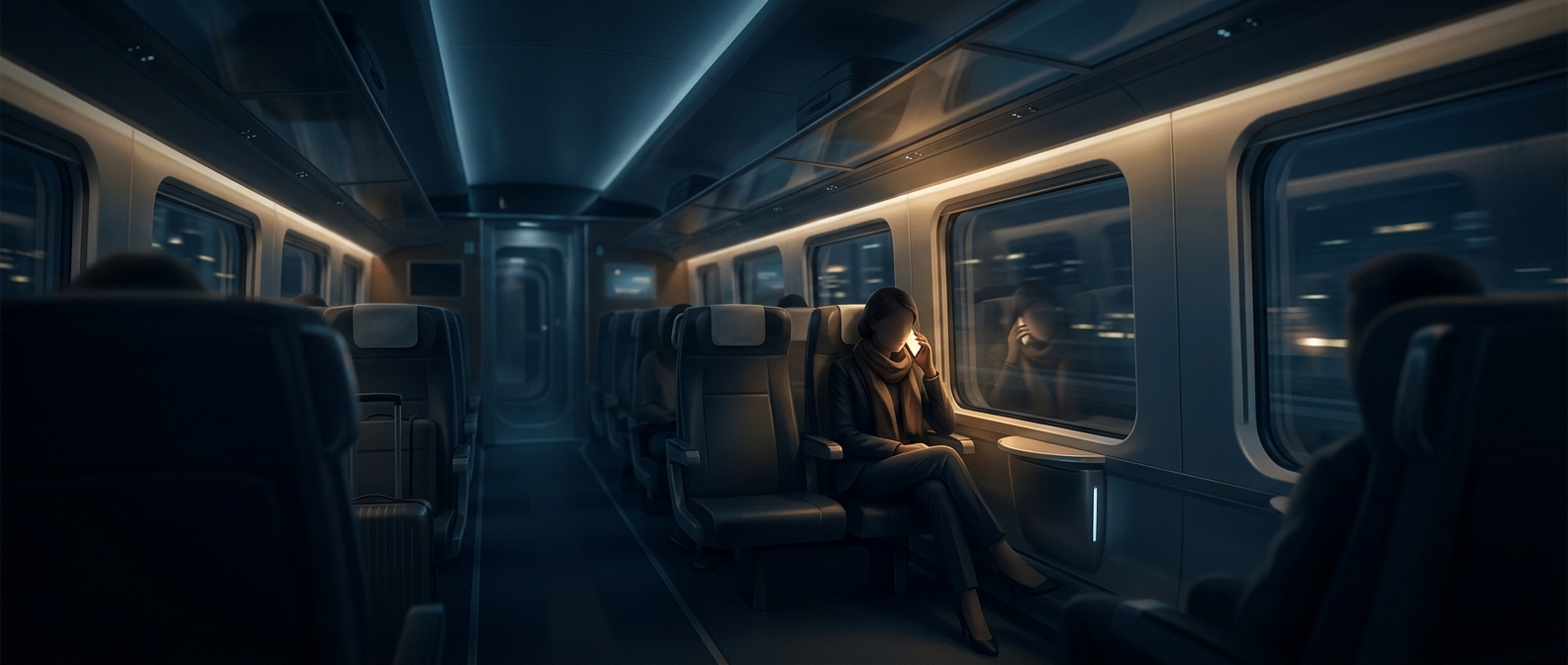
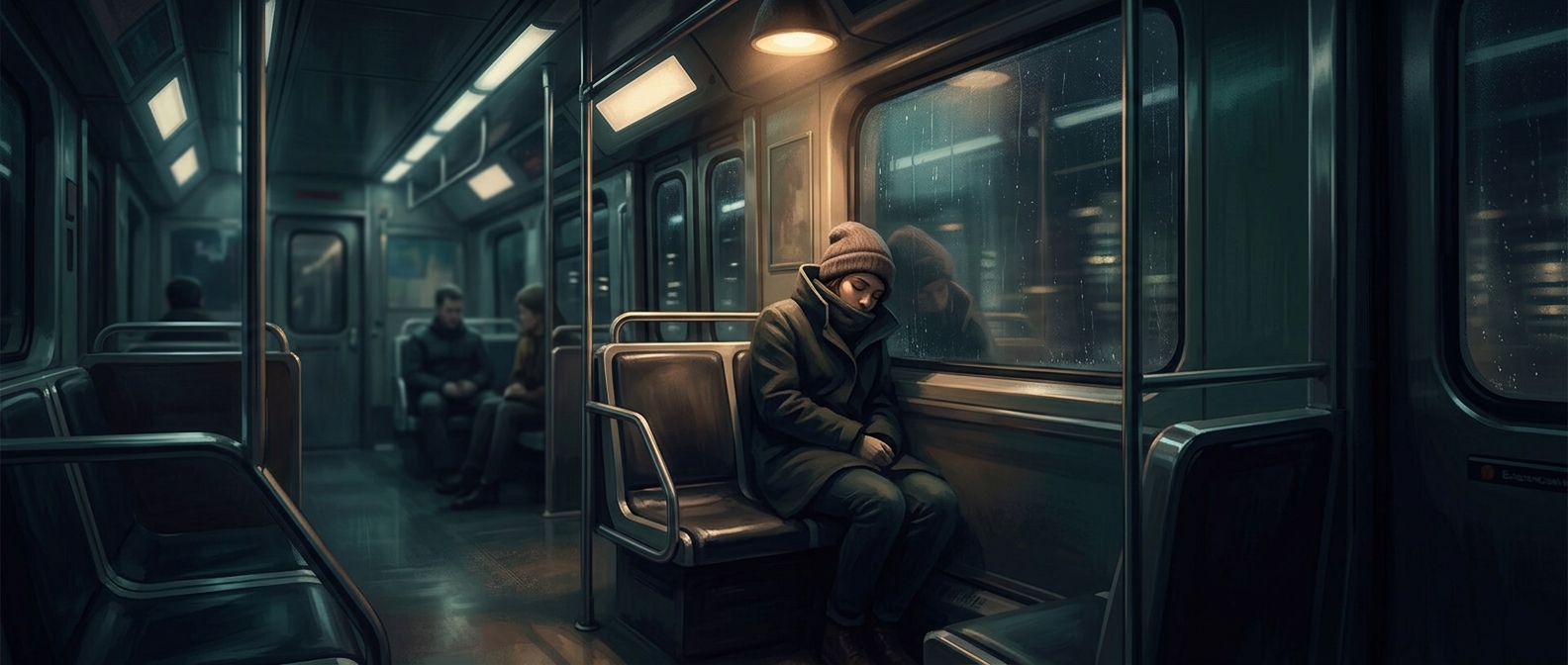
On a crowded train, a passenger who looks available can invite small negotiations: a glance that becomes a question, a request to move a bag, or a conversation. Pretending to sleep makes those approaches less likely by signaling, without words, “I’m not available right now.” It is a soft boundary: less confrontational than saying “please leave me alone,” but clear enough that many people will choose not to interrupt.
Why the excuse works
The tactic relies on plausible deniability—the ability to avoid explaining your choice. A passenger need not reject anyone directly; they can appear unaware of the interaction. The other person, in turn, can avoid the awkwardness of waking or challenging someone who may genuinely be asleep. That mutual escape from an uncomfortable exchange helps the signal work.
It is not a guaranteed way to keep a seat or prevent a request. Someone who needs the seat may still ask, and a sleeping passenger may be woken. But in the uncertain moments before anyone speaks, apparent unavailability can tip the decision toward leaving the person alone.
A small boundary with a tradeoff
The pose also has a cost: a genuinely resting passenger may miss a stop, an announcement, or a chance to respond to something around them. And if a seat is needed by someone else, looking asleep can make it harder to notice and respond to that need. The closed eyelid is therefore less a lock than a temporary social shield—effective partly because it lets both passengers avoid making the interaction explicit.