Why a Small Space Can Make Conversation Feel Bigger
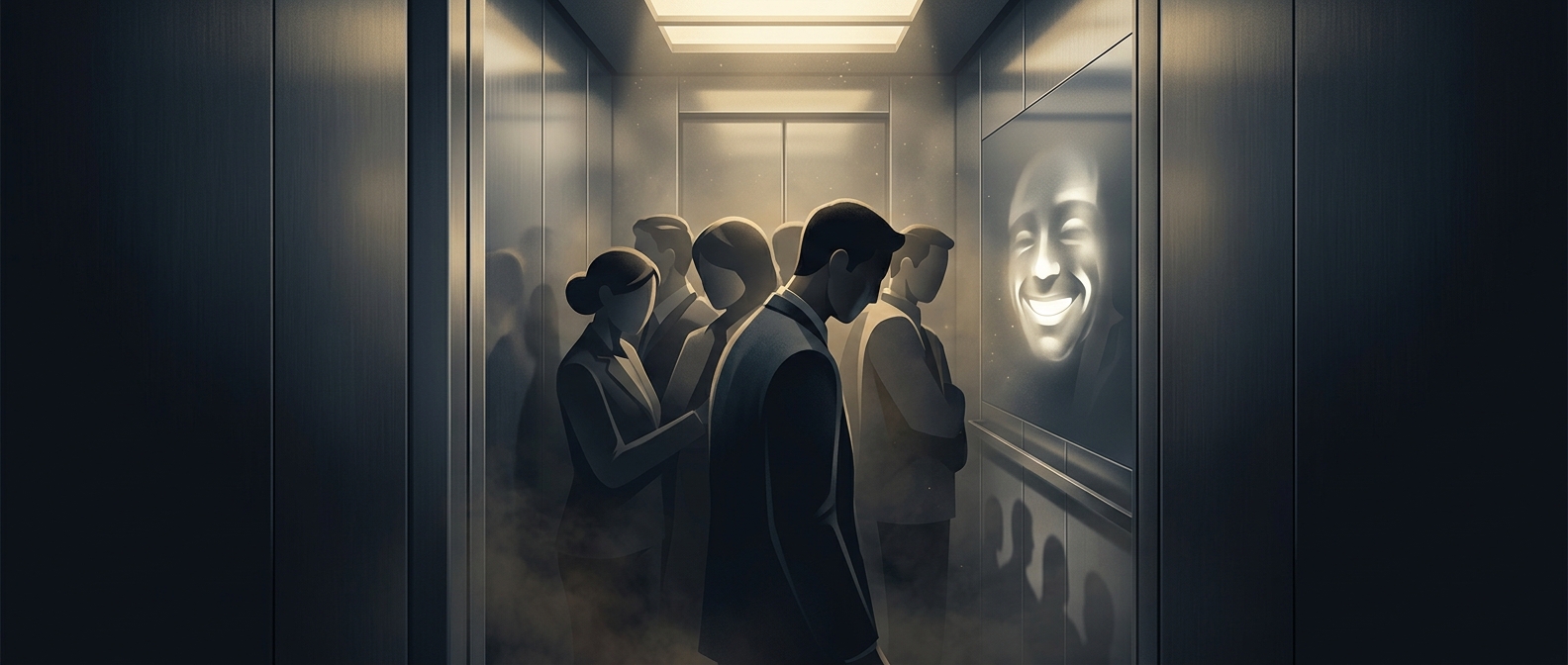
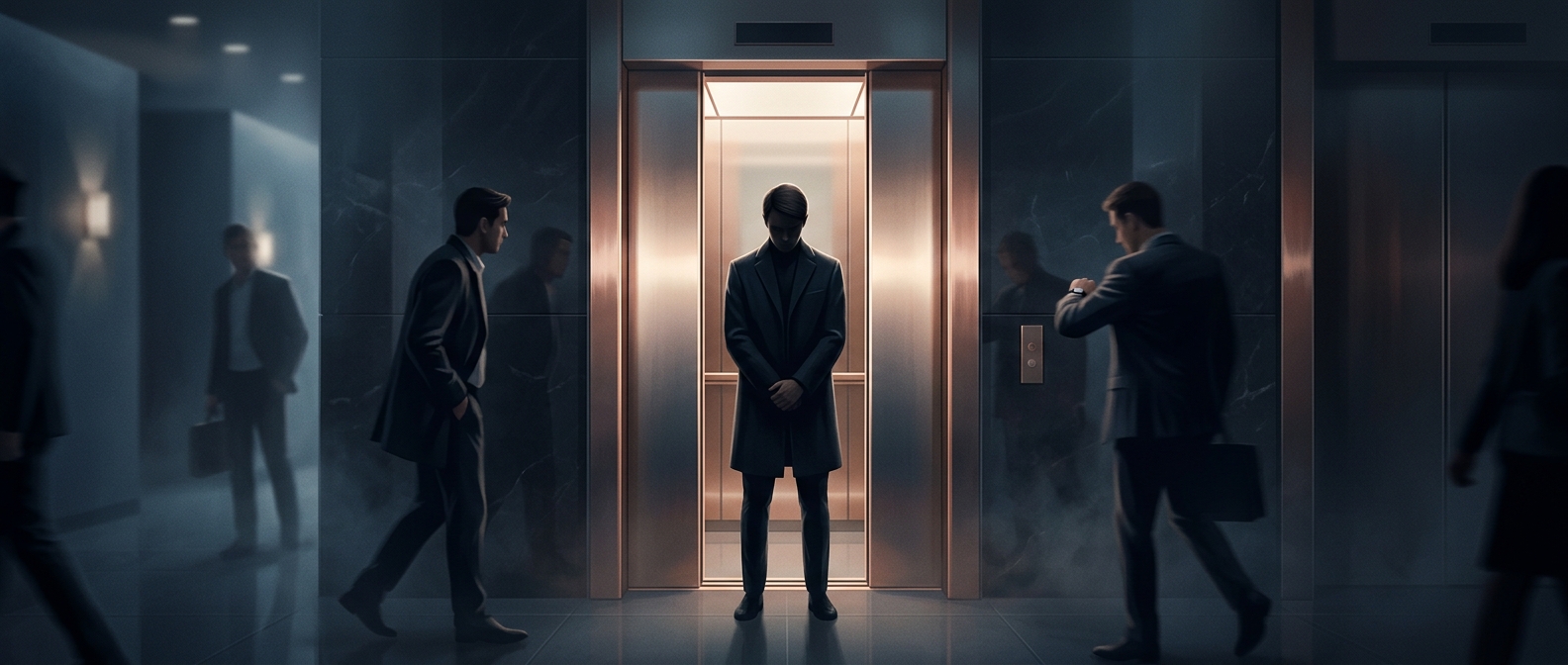
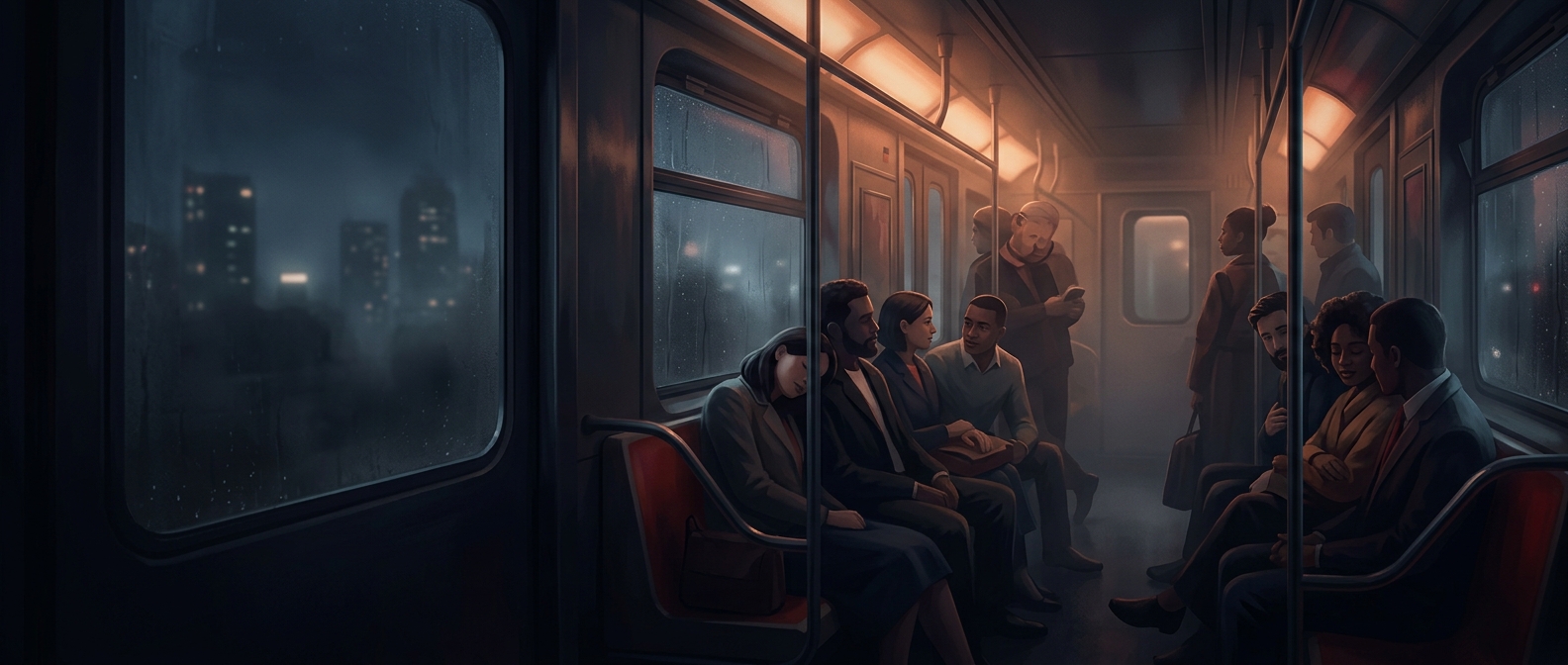
In a lift or a row of train seats, leaving is not just a change of direction. It may require squeezing past someone, interrupting the ride, or making your discomfort visible. That extra effort turns an ordinary conversation into a small social decision: stay and be polite, or move and risk seeming rude.
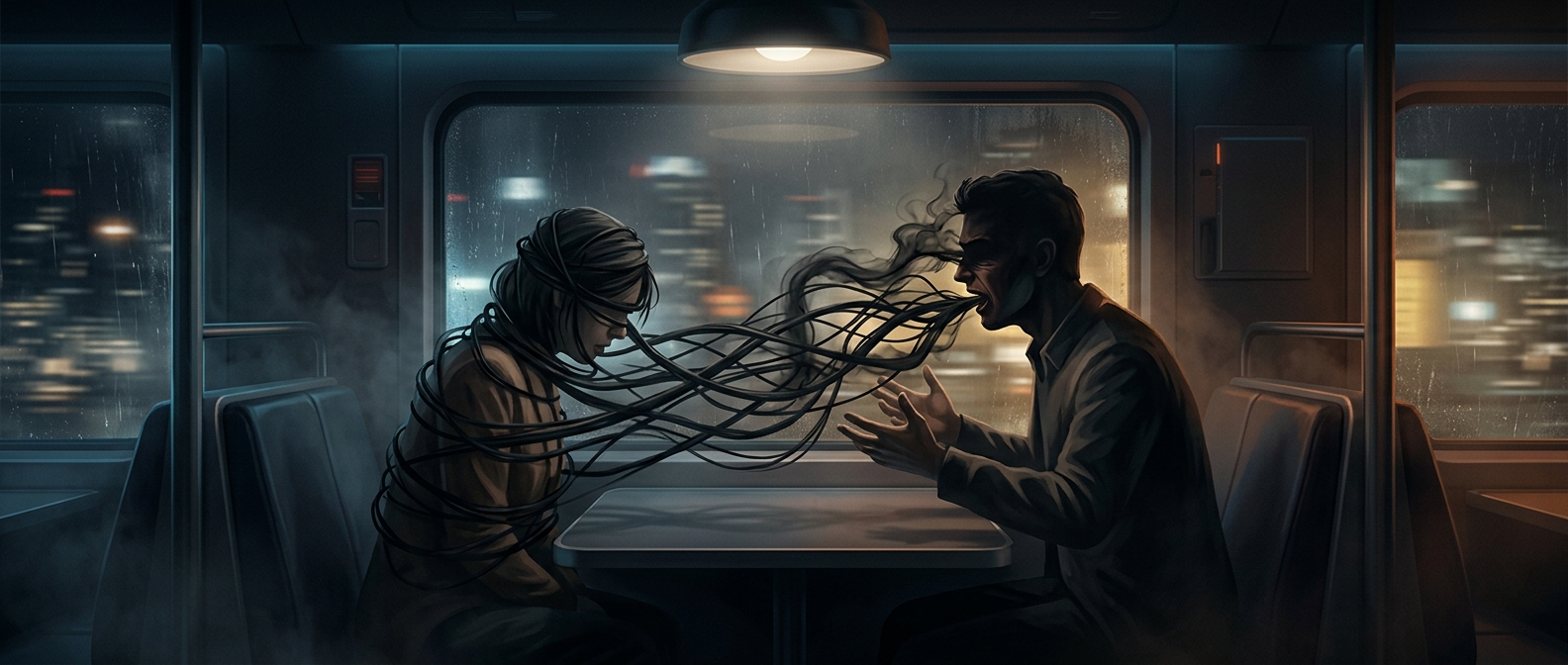
The setting also gives both people a reason to remain nearby. They are sharing a short stretch of time, but neither has clearly agreed to talk. In that uncertain middle ground, people often keep responding—smiling, nodding, asking another question—because ending the exchange can feel more pointed than letting it continue.
The Unspoken Exit Rules
Public transport has practical rules, too. Passengers avoid blocking doors, disturbing others, or changing seats without a reason. Those habits help a crowded journey run smoothly, but they can make a graceful exit from a conversation harder to stage. In a queue, stepping away may mean losing your place; on a train, moving can draw attention to the very interaction you want to escape.
That is why a brief pause can matter. A natural break—an arrival, a door opening, a change of seat—offers a socially understood ending without requiring anyone to announce one. The awkwardness comes less from having nowhere to go than from needing a reason to go there.