The Hidden Step That Changes a Shot
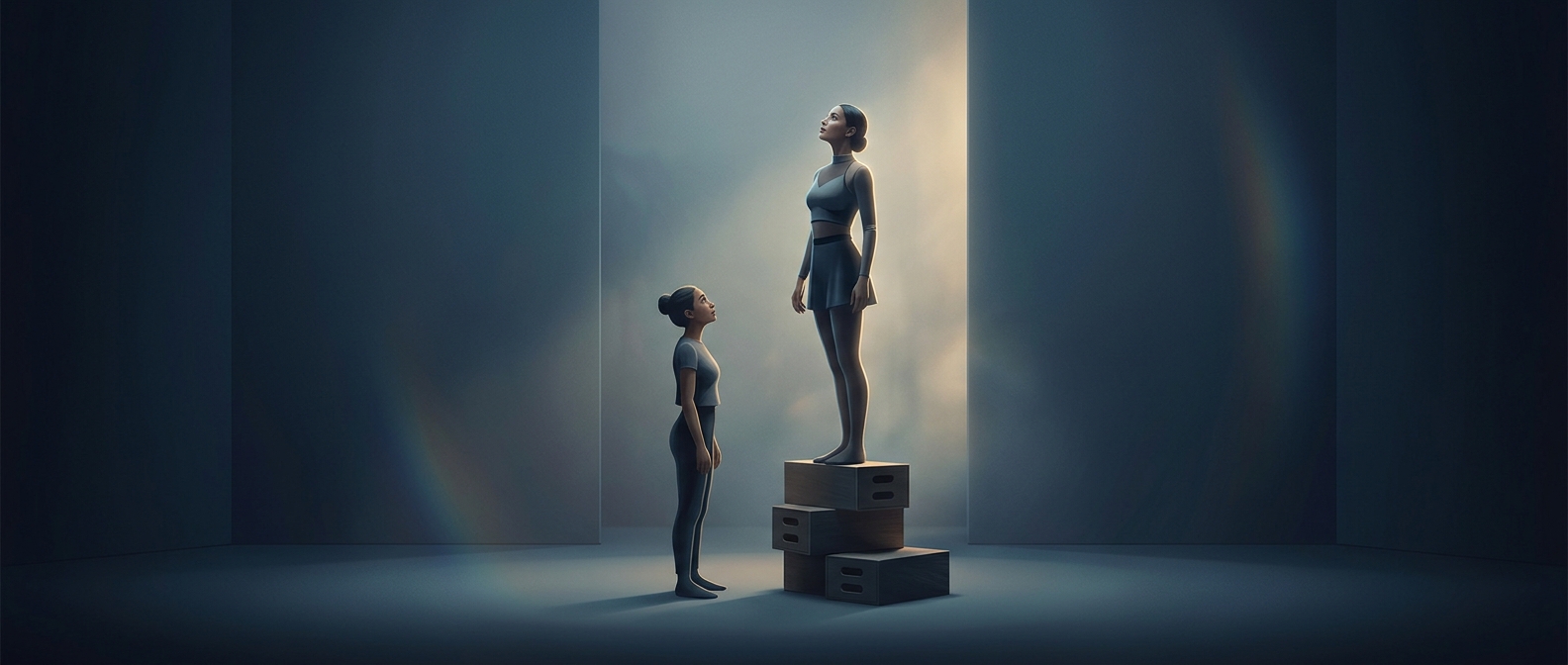
A wooden box can solve a height problem before the camera ever rolls. If one performer needs to appear taller in a face-to-face scene, the shorter actor may stand on a low platform—often called an apple box on a set—positioned just beyond the camera’s view. The extra few inches can make the actors’ eyelines meet differently and give the exchange a more imposing balance.
Height Is Only Part of the Effect
The camera records a two-dimensional image, so what looks convincing depends on more than anyone’s actual height. Where performers stand, how they hold their heads, and the camera’s angle all shape the apparent difference between them. A small platform can help the taller-looking actor face the other at a natural angle, rather than making the audience watch one performer crane their neck or look conspicuously downward.
Directors and cinematographers can also adjust blocking—the planned movement and positions of actors—or shoot from a slightly lower angle. Those choices may reinforce the effect, but a box is a simple physical fix when the scene calls for the performers to remain close together.
The Practical Tradeoff
The platform has to stay stable and out of frame, and actors need to know exactly where to stand. If a scene is filmed from multiple angles, the setup must be repeated so the apparent height difference and eyelines remain consistent. It is a small piece of stagecraft, but it helps preserve the illusion from shot to shot.
The trick works because the audience sees a carefully composed image, not the entire set: a few inches of unseen elevation can change the power dynamic in a confrontation without altering either actor or adding a digital effect.