A fast route from skin to muscle
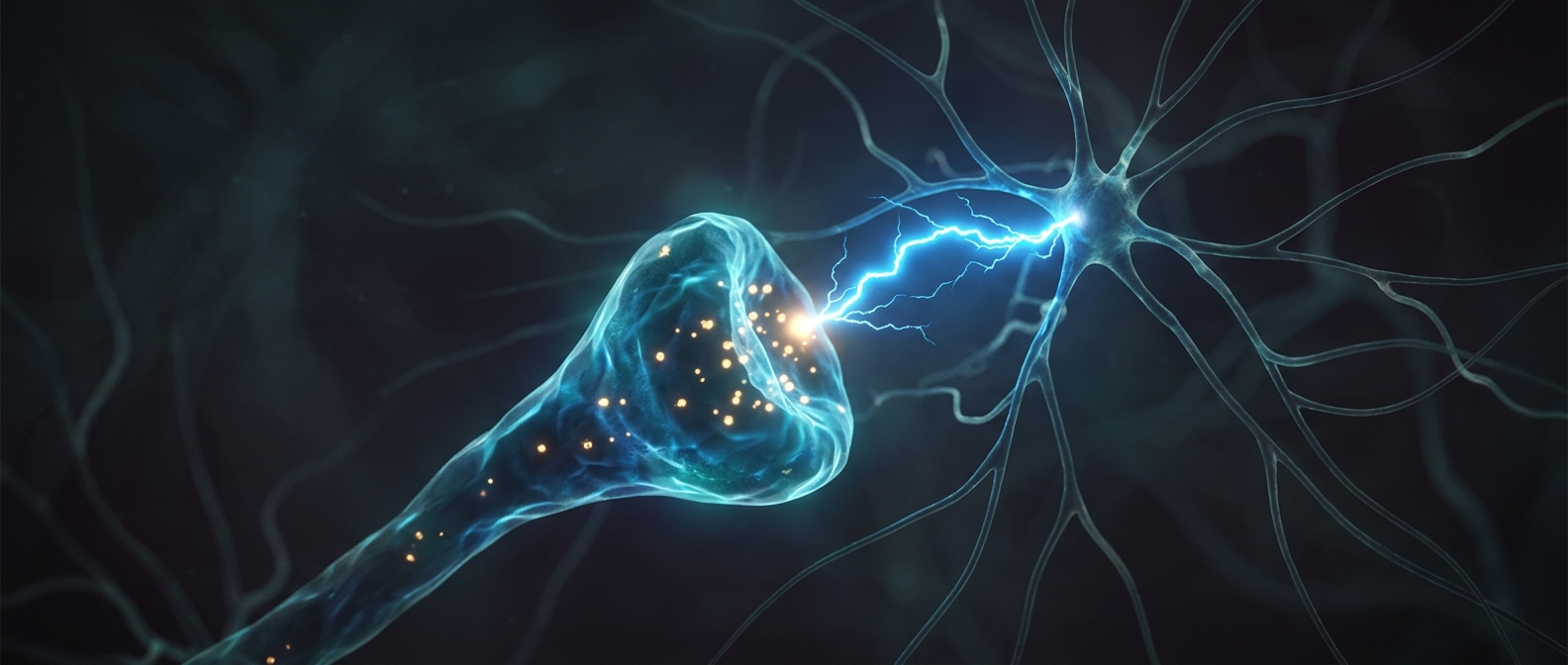
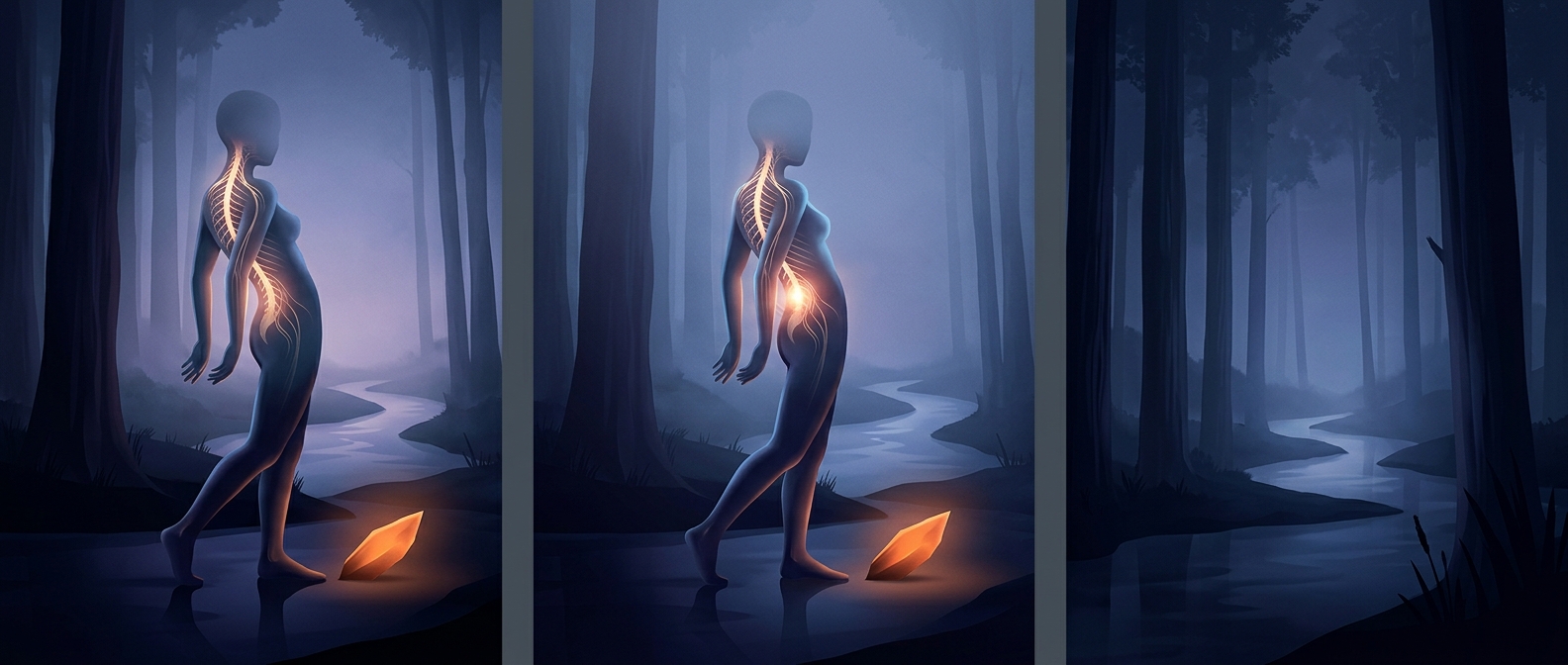
Touch a hot pan and heat-sensitive pain receptors in your skin send electrical signals along sensory nerves toward the spinal cord. There, some signals branch to interneurons—nerve cells that connect other nerve cells. These can quickly activate motor nerves that contract muscles and pull your hand away.
The first movement does not need to wait for the brain to consciously identify the heat and register pain. Signals also travel upward to the brain, where the experience becomes a felt, located sensation. The withdrawal and the conscious feeling are parts of the same response, but they take different routes and unfold on slightly different timelines.
Why the reflex is useful
A spinal reflex cuts a step out of the initial response: the spinal cord can organize a protective movement locally instead of waiting for a decision from the brain. That matters when even a brief delay could mean more contact with something damaging. The brain still receives the warning and can shape what happens next—for example, by guiding the hand away or prompting you to inspect it.
The reflex is not a guarantee that you will escape injury. The stimulus may be too strong, or the signal may arrive after tissue has already been harmed. But it can shorten the time your hand stays in danger. Your hand can start moving while your brain is still working out what happened.