The pogo stick turns a landing into the next takeoff
A pogo stick works by briefly storing energy in its spring. As the rider’s weight pushes the footrests down, the steel coil compresses. When the spring expands, it pushes the stick—and the rider—upward. The next landing starts the cycle again.
The spring does not create energy: the rider supplies it by pressing down and shifting their weight. Some energy is lost with each bounce, so keeping the motion going takes repeated effort. The rider also has to stay balanced over the narrow stick while timing each push to the spring’s rebound.
Why a spring became a patentable trick
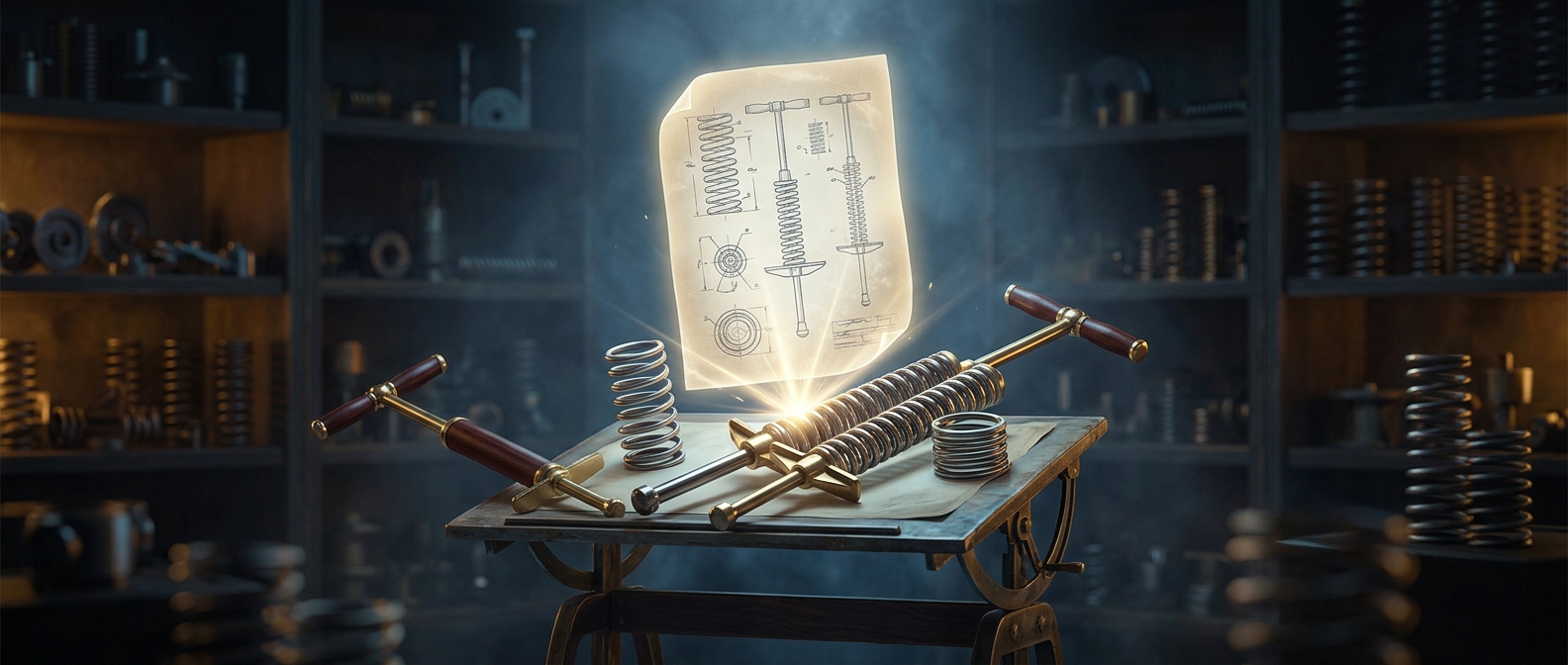
For spring makers, the useful idea was not simply that metal can bend and return to shape. It was arranging a spring in a handheld device so a person could compress it underfoot and use its rebound to bounce. Patenting that arrangement put the mechanism into formal paperwork, where its protected features could be described rather than left as an informal workshop secret.
That distinction matters: a patent concerns a defined invention, not every possible device that happens to bounce. The pogo stick’s appeal comes from making a complicated exchange—rider, coil, ground—feel like one simple motion. The rider pushes down, and the spring sends that push back as a hop.