Making a radio work in a moving car
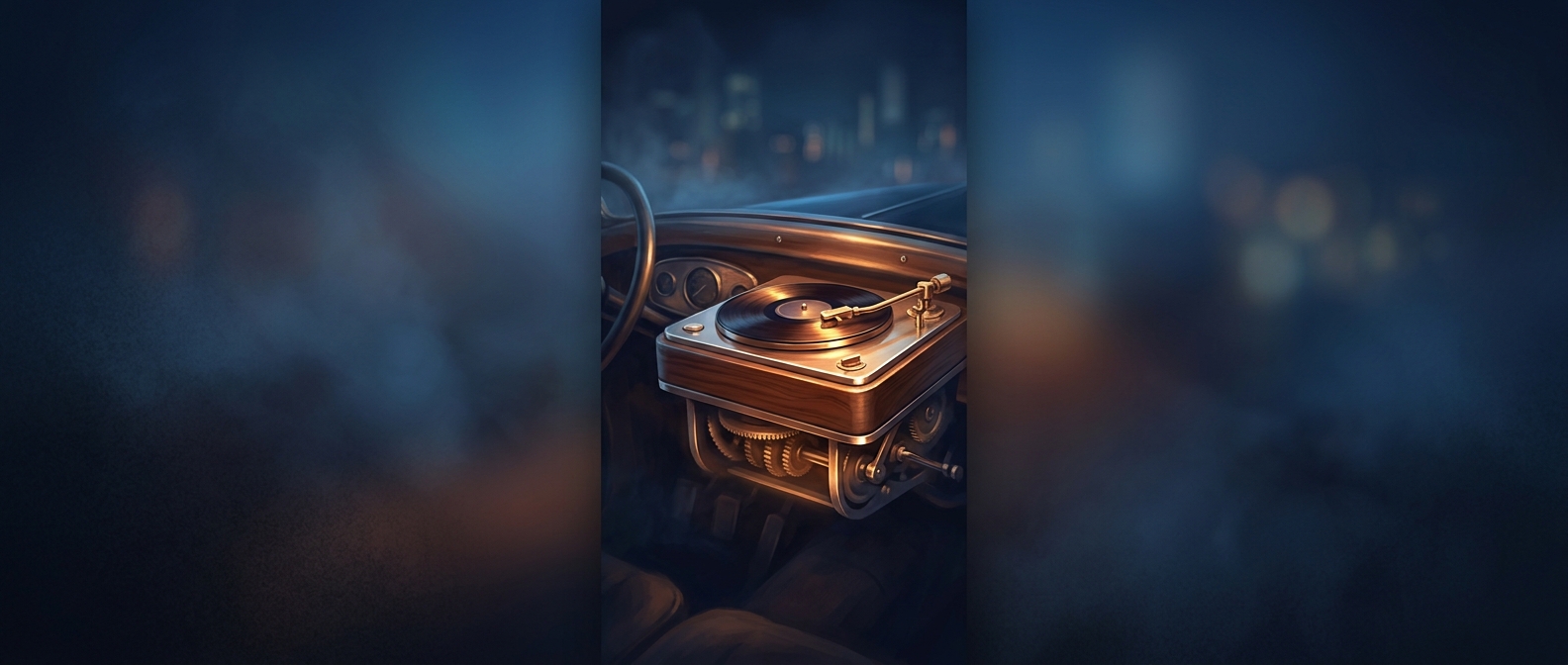
A car radio had to solve a different problem from a home set. It needed to draw power from the vehicle, fit into a cramped dashboard, and keep receiving while the car jolted along and its engine and electrical system created interference. That meant designing not just a radio, but a product that could be installed and used as part of the car.
For Galvin Manufacturing, success with the Motorola radio gave the company a product name people could remember—and a foothold in a growing market. The name joined “motor,” pointing to the automobile, with “ola,” a popular-sounding ending inspired by Victrola, the name associated with phonographs.
From product name to company identity
The name’s usefulness outlasted the radio itself. As Galvin Manufacturing expanded beyond car radios, it adopted Motorola as the company name, carrying the association with mobile technology into new products. A label originally coined for a device had become the identity of a business.
That shift captures the larger significance of the early car radio: it was both an engineering challenge and a way to make electronics feel at home in everyday life. The name that began on a dashboard could travel with the company far beyond one product.