Why a Stopped Clock Can Feel Like a Household Turning Point
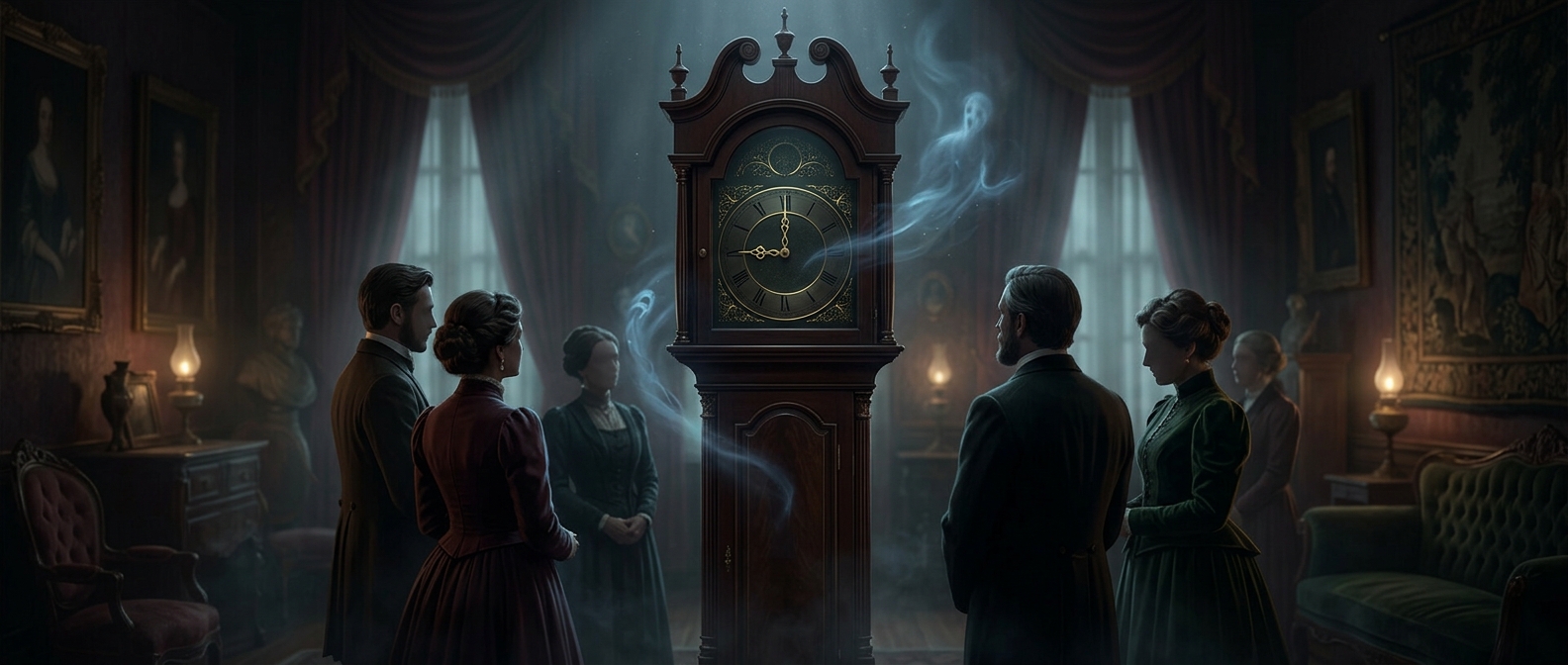
A clock is an ordinary object with an unusually visible job: it marks the passage of time in a shared space. When it suddenly goes quiet, the interruption can feel more significant than a lamp burning out. For some families, the silence becomes a sign that the household itself is entering a different phase.
The interpretation is symbolic, not a universal rule. A move, a separation, a birth, or a death can change how family members understand their home and their future. A stopped clock offers a small, memorable event onto which that larger change can be placed: time, in a sense, seems to pause at the moment life shifts.
How the Sign Acquires Meaning
The clock does not have to predict what will happen. Its meaning can emerge afterward, when people connect its stoppage with a change already unfolding or newly recognized. That connection may help relatives tell a story about a difficult transition, share a sense that the moment mattered, or give an unsettling coincidence a place in family memory.
A stopped clock can still have an ordinary mechanical cause. But for families who read it as a cosmic message, the practical explanation does not necessarily erase its personal meaning. The detail worth remembering is how a household can turn a familiar object into a marker of change: the clock stops, and the family notices that life has moved into a new chapter.