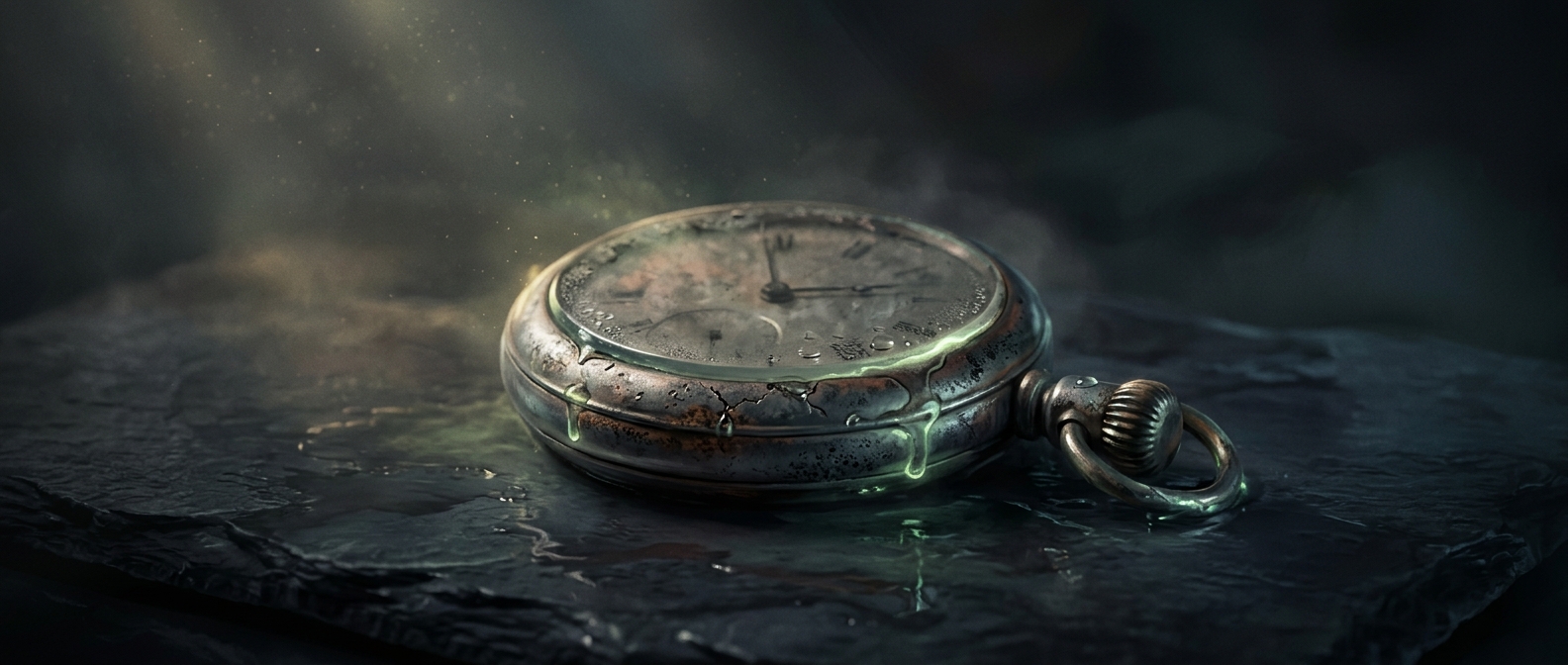
What sweat leaves behind
Fresh sweat is mostly water, but it also carries salts—especially sodium and chloride—and small amounts of other compounds. When the water evaporates, those substances remain as a thin residue on a ring, watch clasp, or instrument fitting. The salt can hold moisture against the surface and help electricity flow through microscopic wet patches, conditions that make certain metals more likely to corrode.
Why damage takes time
Corrosion is a reaction at the metal’s surface, not a momentary dissolving. In a damp, salty film, tiny regions of metal can behave like parts of a battery: metal atoms give up electrons and become ions, while other reactions occur elsewhere on the surface. Repeated cycles of sweating and drying can renew that film and gradually roughen or discolor susceptible materials. Sweat’s acidity may contribute, but its chemistry varies from person to person and changes as it dries.
The result depends on the metal and its protection. Some alloys form a surface layer that slows further attack; plating or coatings can also act as a barrier. If that barrier is scratched or worn, the underlying metal may be exposed. Small components with narrow gaps can be especially vulnerable because residue and moisture may linger there.
The practical consequence
A quick wipe after wearing jewelry or playing an instrument can remove residue before it repeatedly dries on the surface. For valuable or delicate items, follow the maker’s cleaning instructions: harsh cleaners or abrasive rubbing can damage plating and finishes, creating new paths for corrosion.