A pulse aimed at a nerve, not the headache
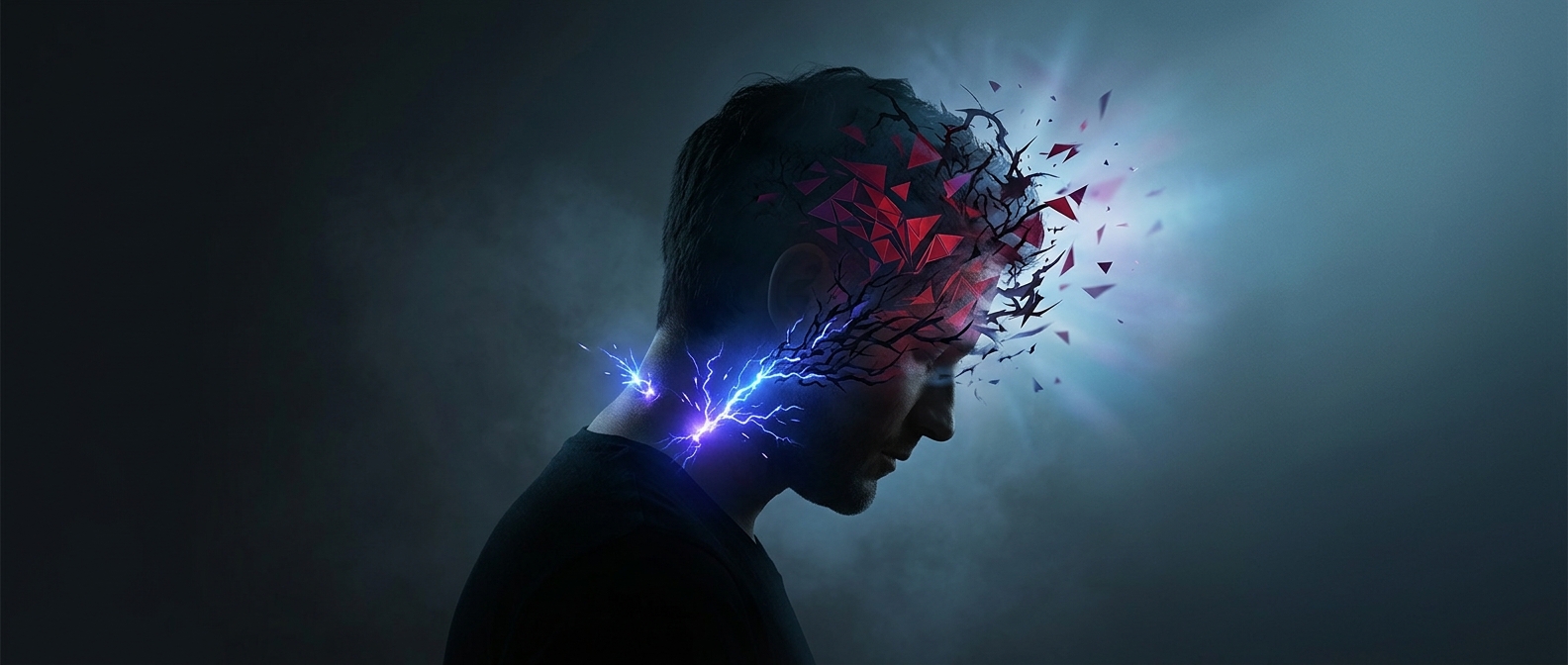
A handheld device for noninvasive vagus nerve stimulation (nVNS) delivers brief electrical pulses through the skin of the neck. The pulses are meant to activate the vagus nerve, a major route of communication between the body and the brain. The device does not send electricity into the painful area around the eye, where cluster headaches commonly strike.
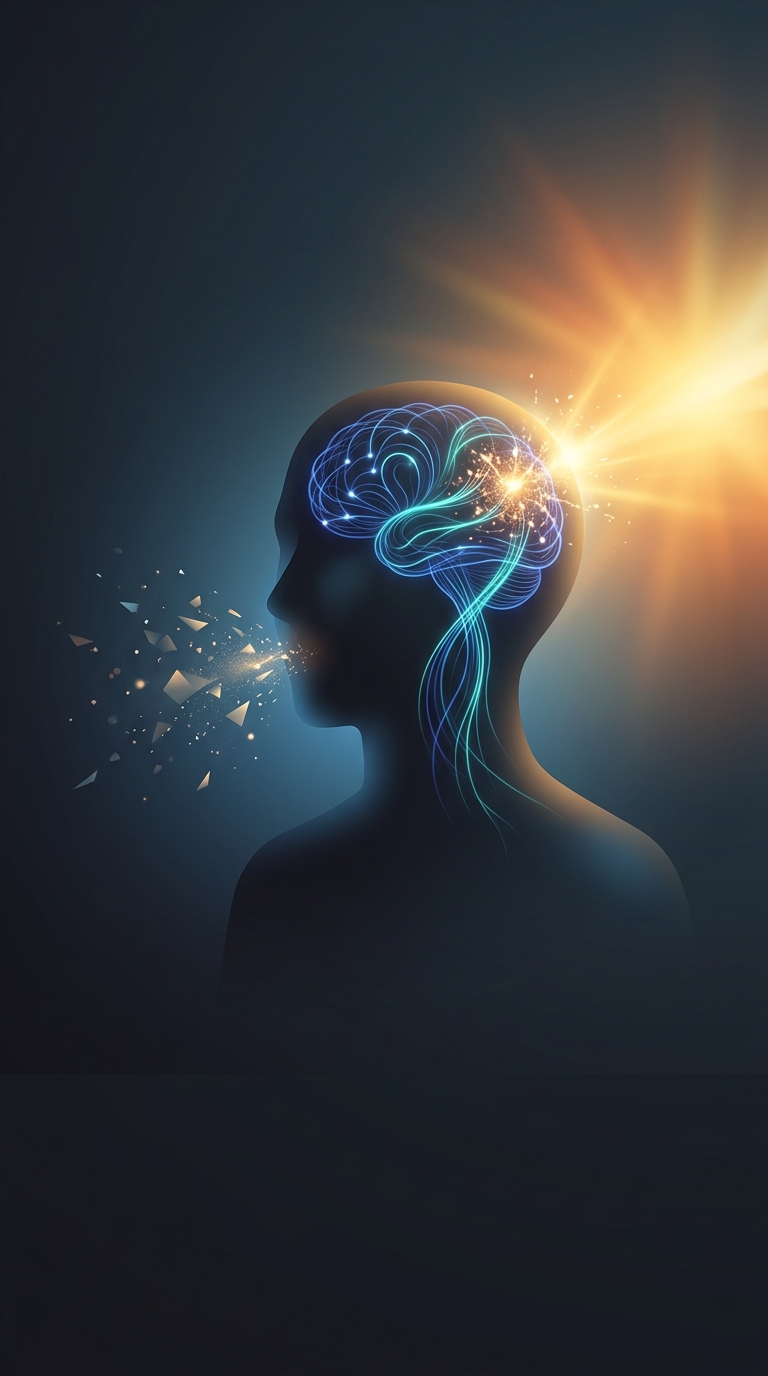
Instead, signals travel toward the brainstem, where incoming information from the vagus nerve can interact with systems involved in pain. Cluster headache pain is linked to activity in brain networks that also help regulate automatic body functions, such as tearing and nasal congestion. That overlap offers a reason nerve stimulation might affect an attack, though researchers do not fully understand the mechanism.
Why the effect can vary
Cluster headaches tend to arrive in intense attacks, often in recurring bouts. A treatment that changes pain signaling may help some people without reliably stopping every attack. Stimulation is also different from simply turning down a dial on pain: the electrical pulse is an input to a nerve pathway, and the resulting change in brain activity is not fully predictable.
For some patients, clinicians may consider nVNS as part of a treatment plan, including for managing attacks or reducing their frequency. It is not a guaranteed substitute for other treatments, and suitability depends on the person and the device. The key idea is that the pulse may influence the brain’s handling of pain signals—not erase the headache at its source.