What “star-crossed” suggested to Shakespeare’s audience
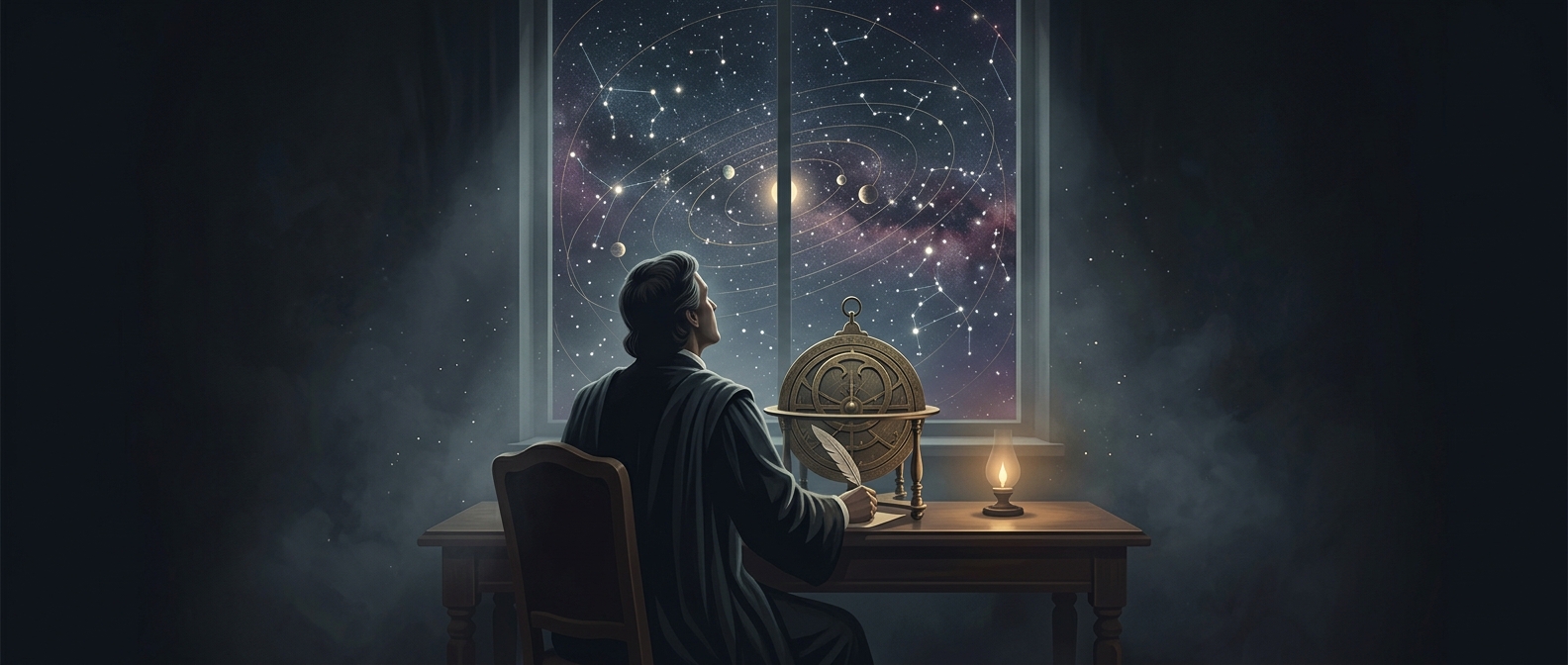
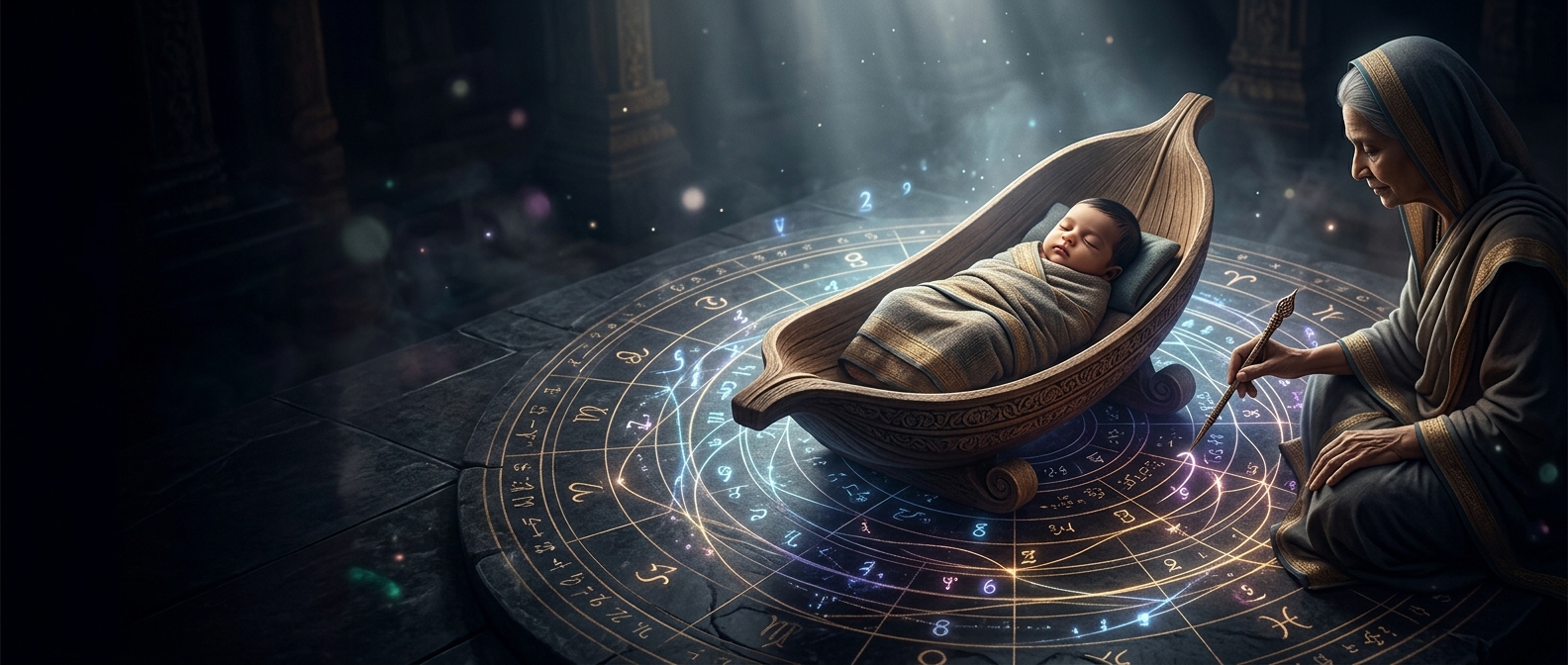
To an Elizabethan audience, the stars could signify more than a distant sky. Astrology treated the positions of the planets at a person’s birth as clues to that person’s character and prospects. A difficult planetary arrangement might be read as an obstacle built into a life’s course. Calling Romeo and Juliet “star-crossed” therefore casts their love as opposed by a force larger than ordinary bad luck.
The phrase also draws on the idea of crossing: their paths seem set against one another before the story has properly begun. Shakespeare gives the audience this interpretive key in the Prologue, before the lovers meet. Their fate is announced, not discovered at the end.
Fate announced, choices still unfolding
That early warning changes how the tragedy plays. Each secret plan and sudden decision carries two meanings: it is an action the characters take, and another step toward an ending the audience already expects. The tension comes partly from watching people try to shape their lives while the play’s language frames the outcome as foreordained.
“Star-crossed” does not, by itself, explain exactly which celestial arrangement supposedly doomed the pair. Its force lies in the broader astrological implication that the heavens could mark a life with adversity. Shakespeare turns that familiar way of thinking into dramatic shorthand: before the feud, the hurried marriage, or the fatal misunderstandings unfold, the audience has already been told that the lovers’ prospects are ill-starred.