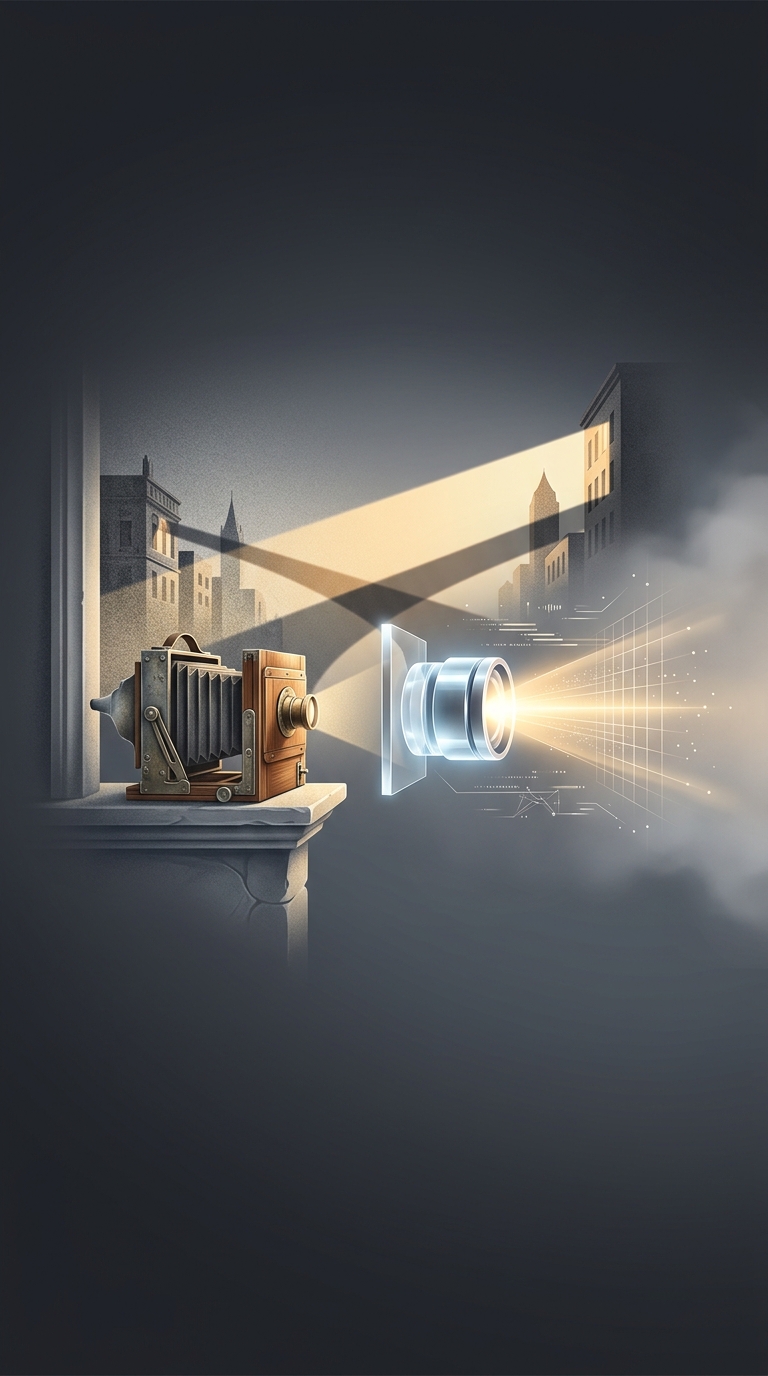
A camera can redirect attention before it records anything
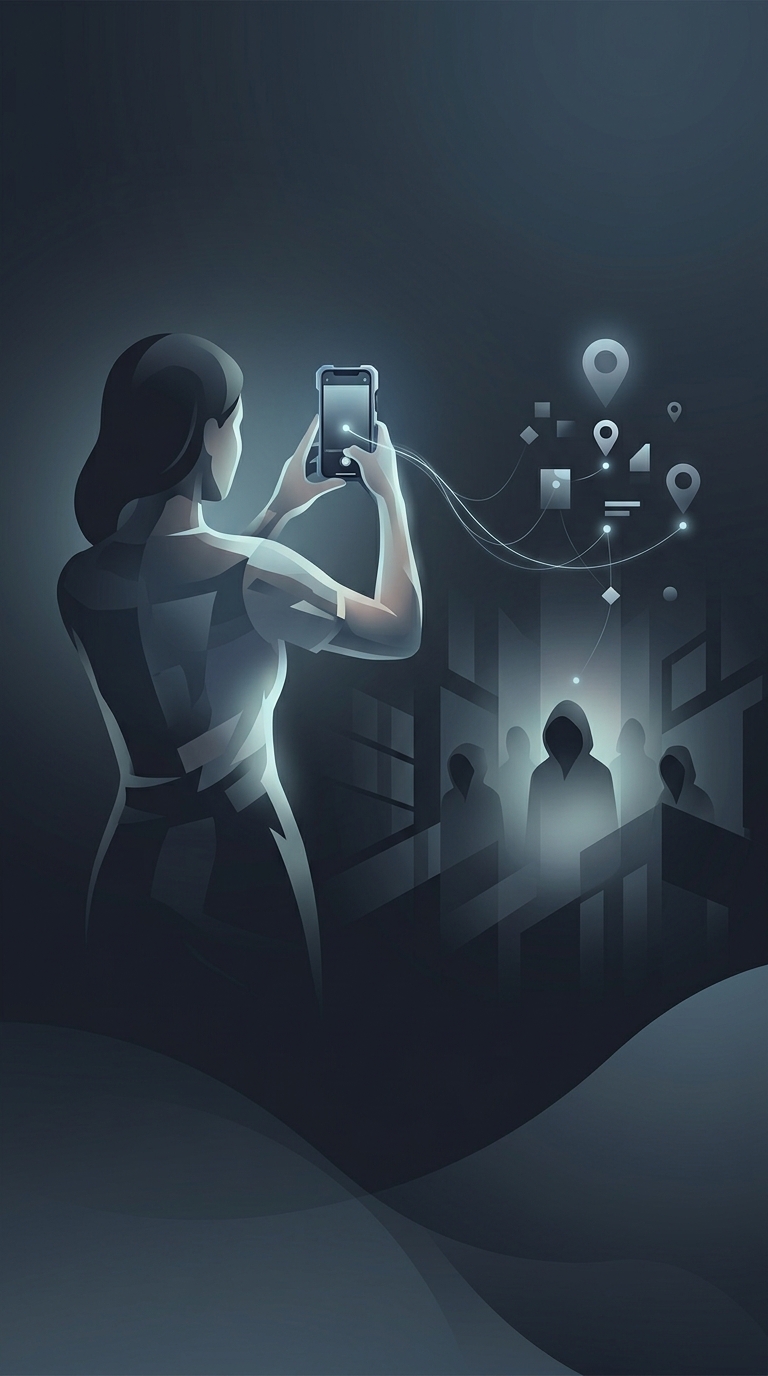
Taking a picture is not just a way to preserve a scene. It is also a small task: find the subject, frame it, adjust the phone, and decide when to tap. While attention is occupied with those choices, fewer mental resources may be available for noticing the scene itself—its background, sounds, or the sequence of what is happening.
That matters because memory is not a full-resolution recording. The brain first has to attend to details and connect them into an experience it can later retrieve. If attention shifts toward operating the camera, some details may never be encoded well enough to remember.
The camera can become a cue—or a distraction
A photograph can help later by giving you a visual prompt. But relying on the image to preserve the moment may change how closely you study it while it is happening. The result can be a crisp picture paired with a hazier recollection of the surrounding experience.
The effect is not inevitable. A deliberate photo can focus attention on a meaningful detail, and looking carefully before or after taking it gives the scene a chance to register beyond the frame. The practical difference is whether the phone briefly serves the experience or keeps competing with it.
A single quick shot followed by putting the phone away leaves the rest of the moment—its sounds, smells, and details outside the frame—to be noticed directly.