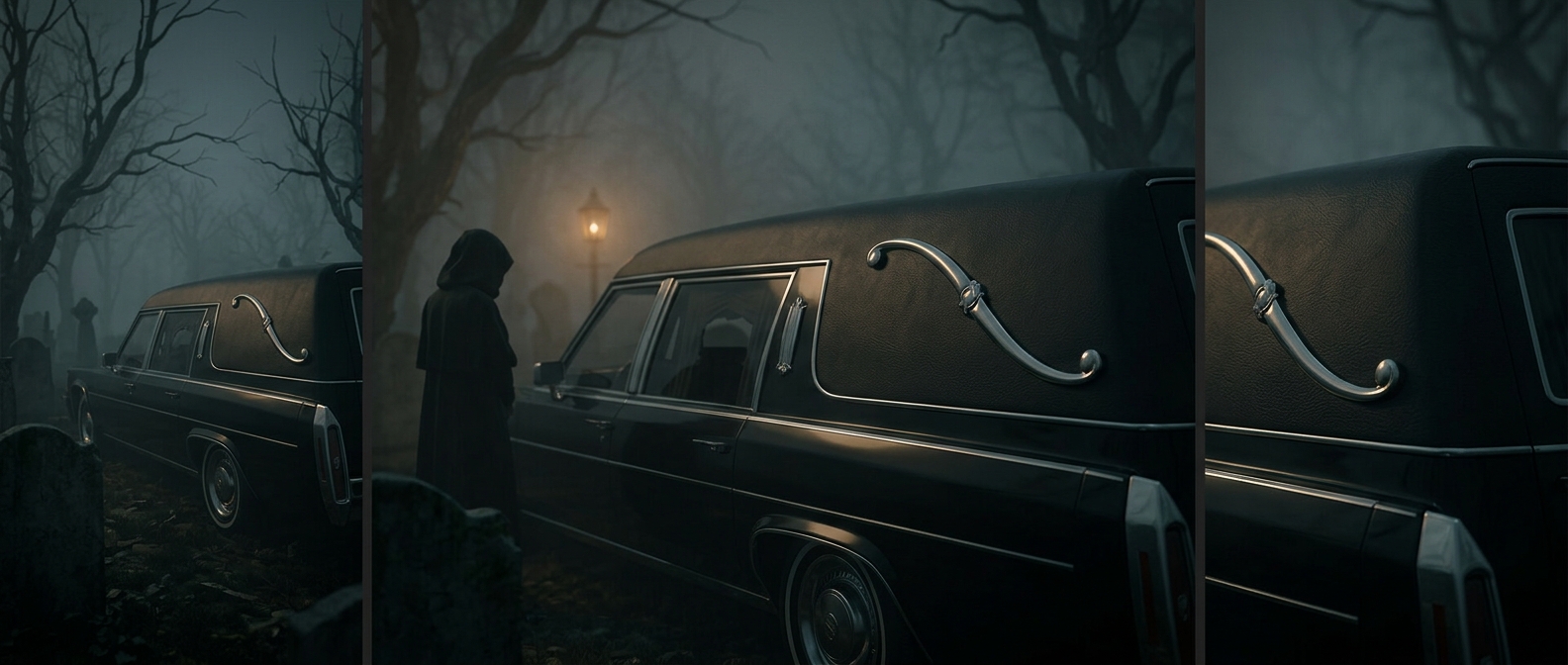
Why a Hearse’s Floor Can Roll
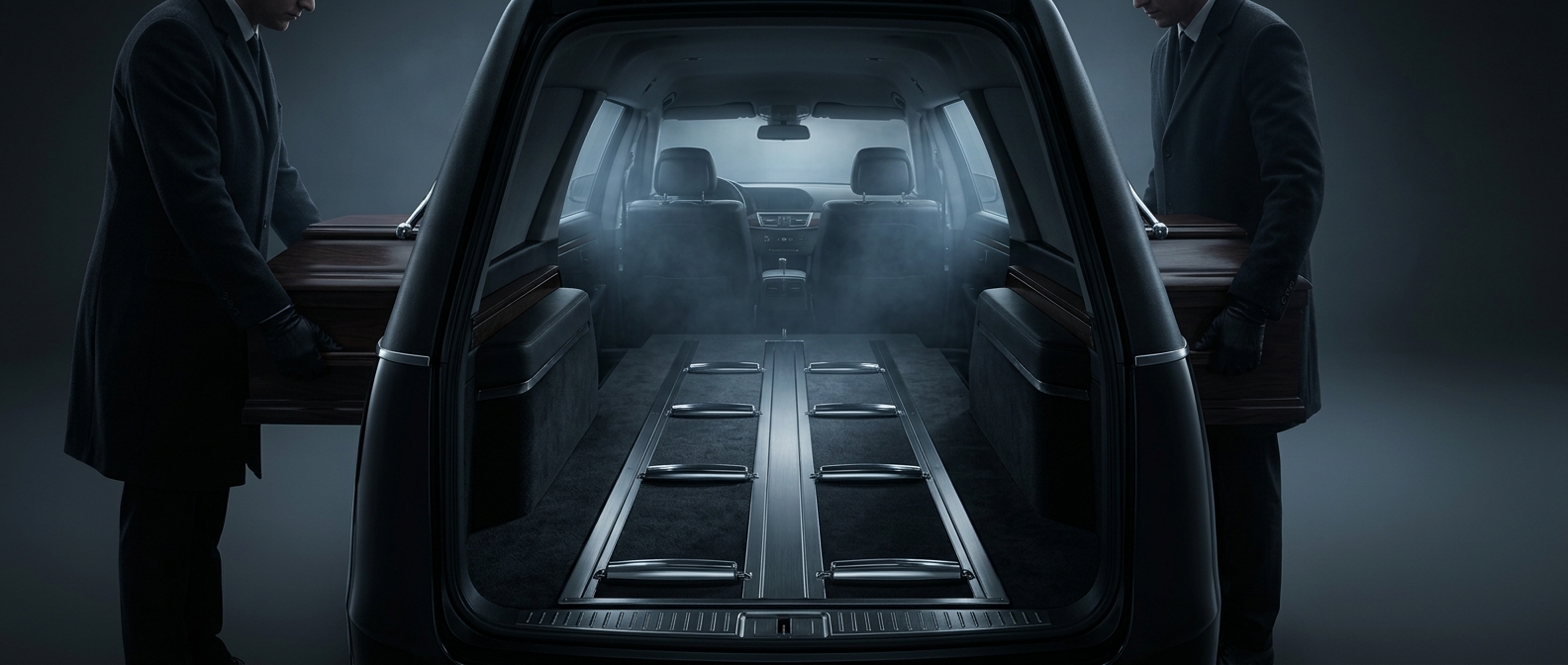
A coffin has to travel from the loading area into a narrow vehicle without being tipped or carried above the attendants’ heads. Rollers built into the hearse floor turn that move into a controlled slide: as attendants guide the coffin forward, the rollers turn beneath it instead of the coffin scraping across a fixed surface.
That matters because the rollers reduce resistance, not weight. Attendants still have to support and steer the coffin, especially at the beginning and end of loading, but they can avoid carrying it the full distance through the vehicle. The same arrangement can make unloading easier at the destination.
A Small Change With a Practical Payoff
A hearse’s interior is designed around the coffin’s length, so there is little room to maneuver once it is inside. A rolling floor helps keep the coffin moving in a straight line and limits the need for awkward repositioning. It also reduces the effort required for each transfer—a useful difference when loading happens repeatedly as part of funeral work.
The rollers are a simple piece of handling equipment, but they solve a specific design problem: moving a heavy, carefully handled object through a vehicle with limited space. The hearse becomes, in effect, a low loading surface rather than a place attendants must carry the coffin across.