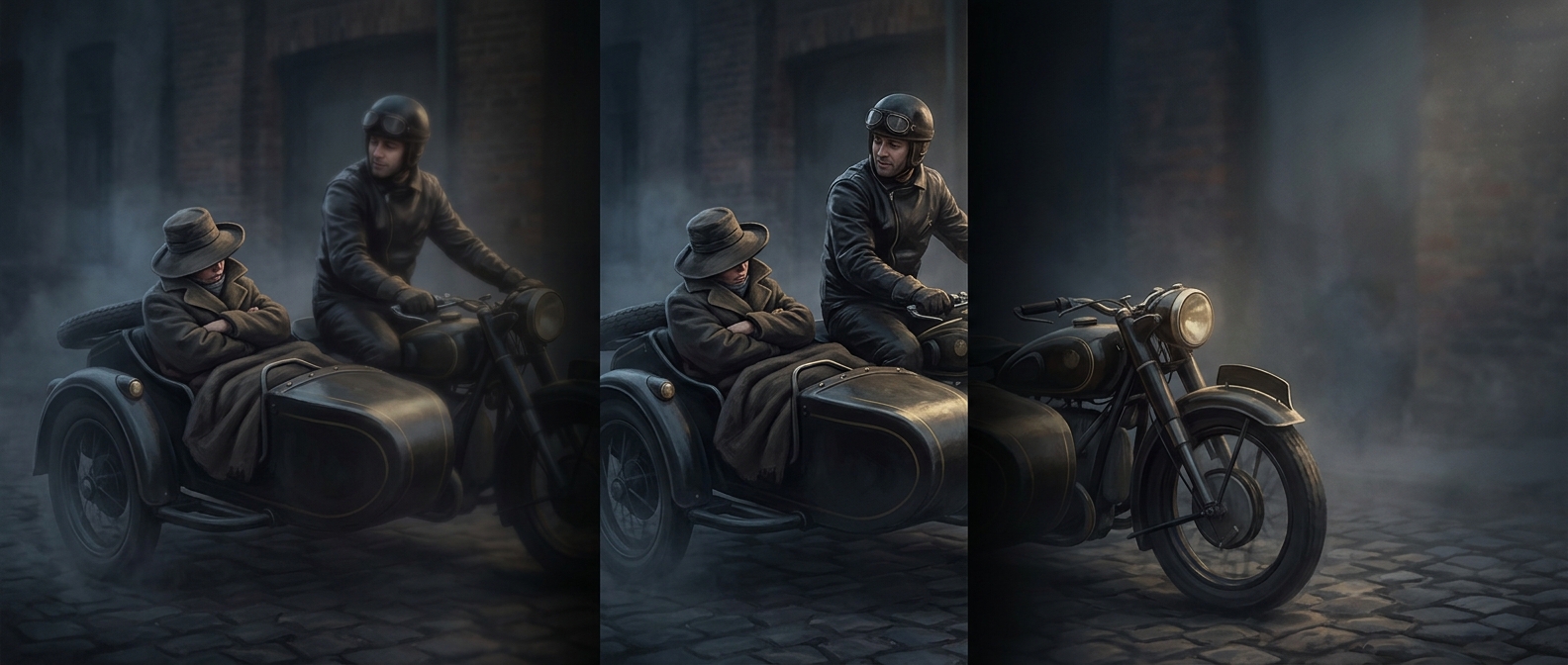
Why a Motorcycle Needs More Than an Ordinary Sidecar
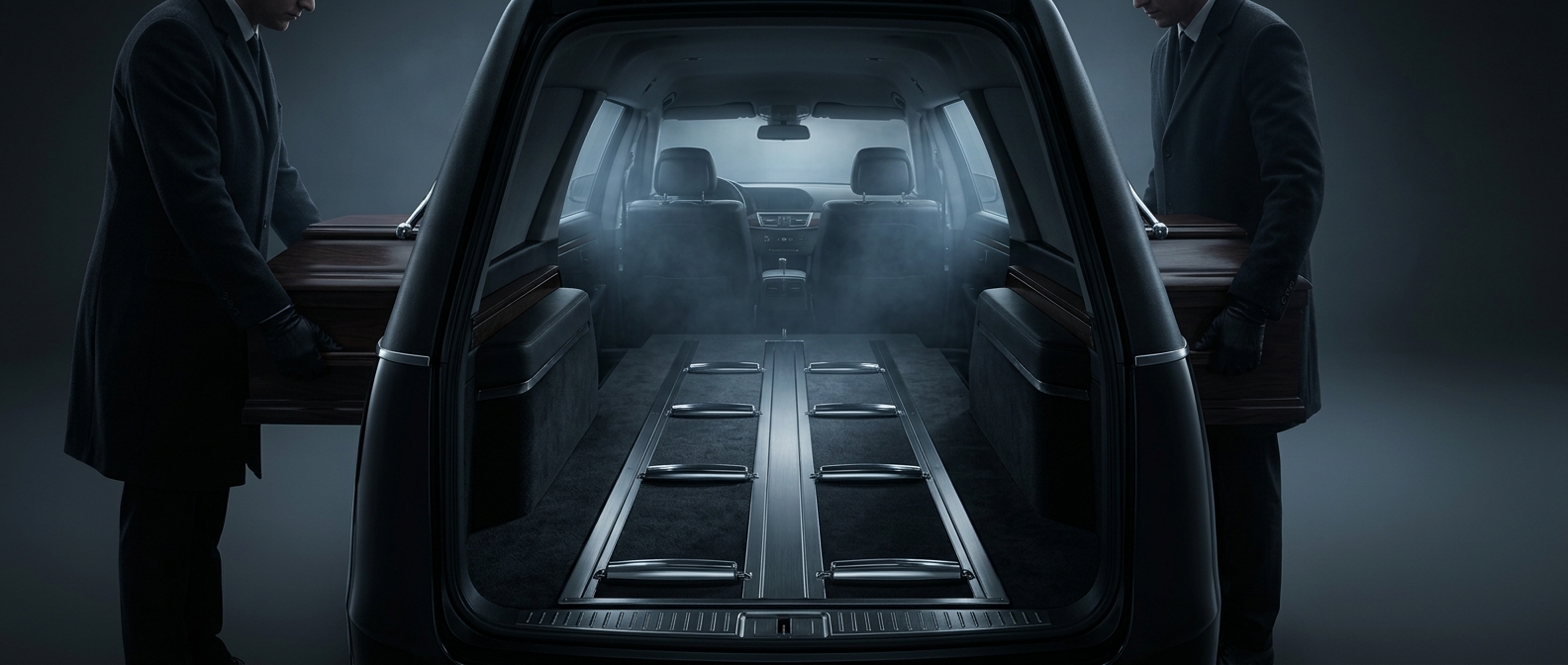
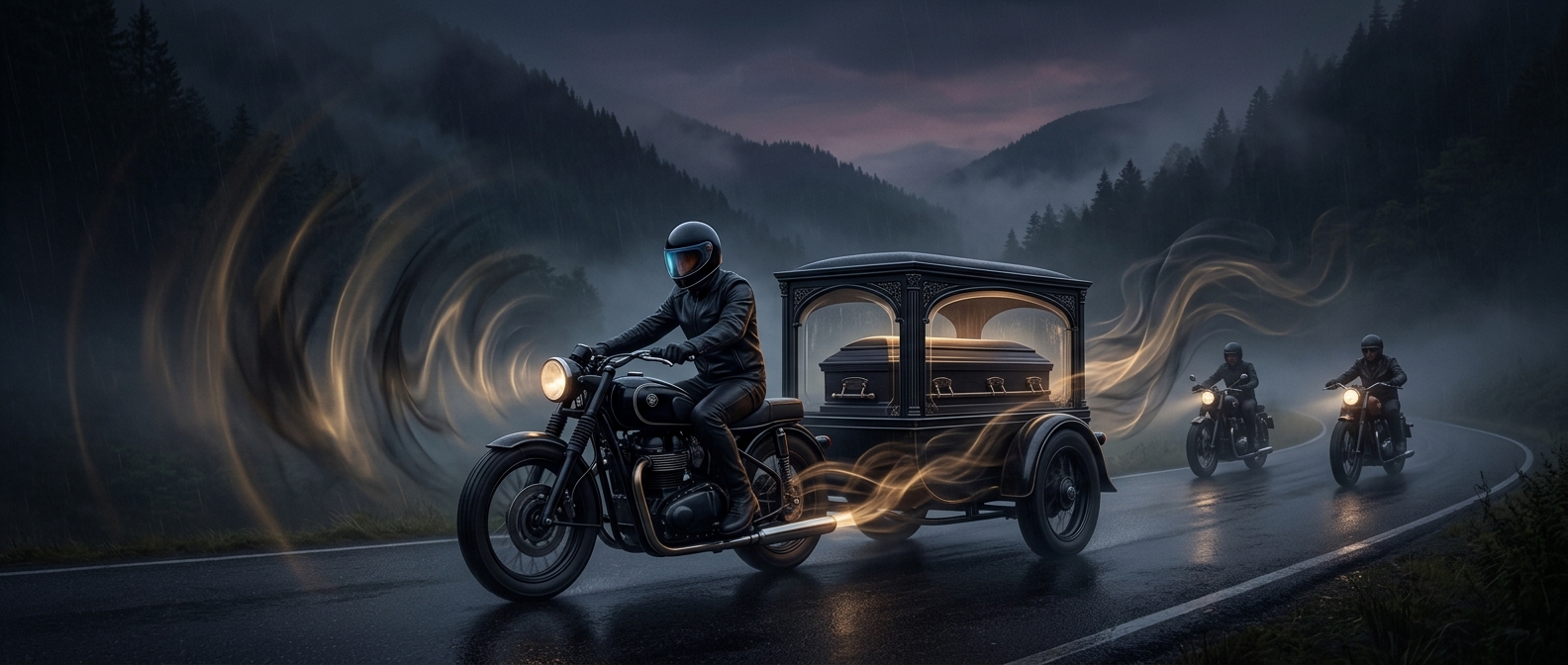
A casket is long, heavy, and awkward to balance. A standard passenger sidecar is not automatically suited to carrying one: the platform must support the load securely, and the casket must be restrained so it cannot shift as the motorcycle turns, brakes, or crosses uneven pavement. Specialized funeral sidecars are built around that different shape and purpose, with a longer carrying area and fittings to hold the casket in place.
The Extra Wheel Changes the Ride
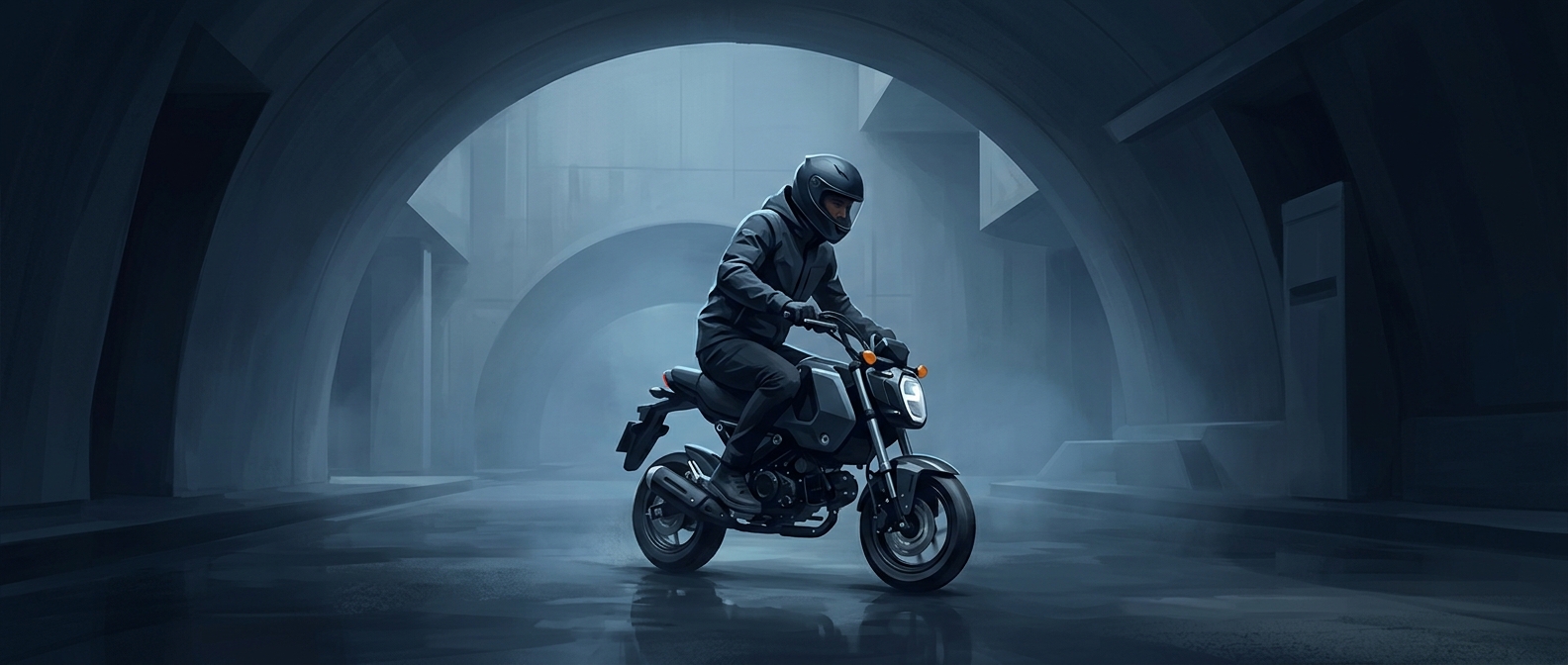
A motorcycle with a sidecar is not simply a two-wheeled bike with a passenger beside it. The sidecar’s wheel does not lean with the motorcycle, so the vehicle behaves differently in turns and under braking. A substantial sidecar load makes balance and handling especially important. Riders need to account for the outfit’s width and weight rather than steer it like a solo motorcycle.
That engineering constraint shapes the ceremony, too. The route has to accommodate a wider vehicle, and the procession can move at a pace that lets the rider keep the casket steady. The motorcycle is not just transport with a distinctive appearance; its limits help determine how the final journey is carried out.
A Different Kind of Funeral Procession
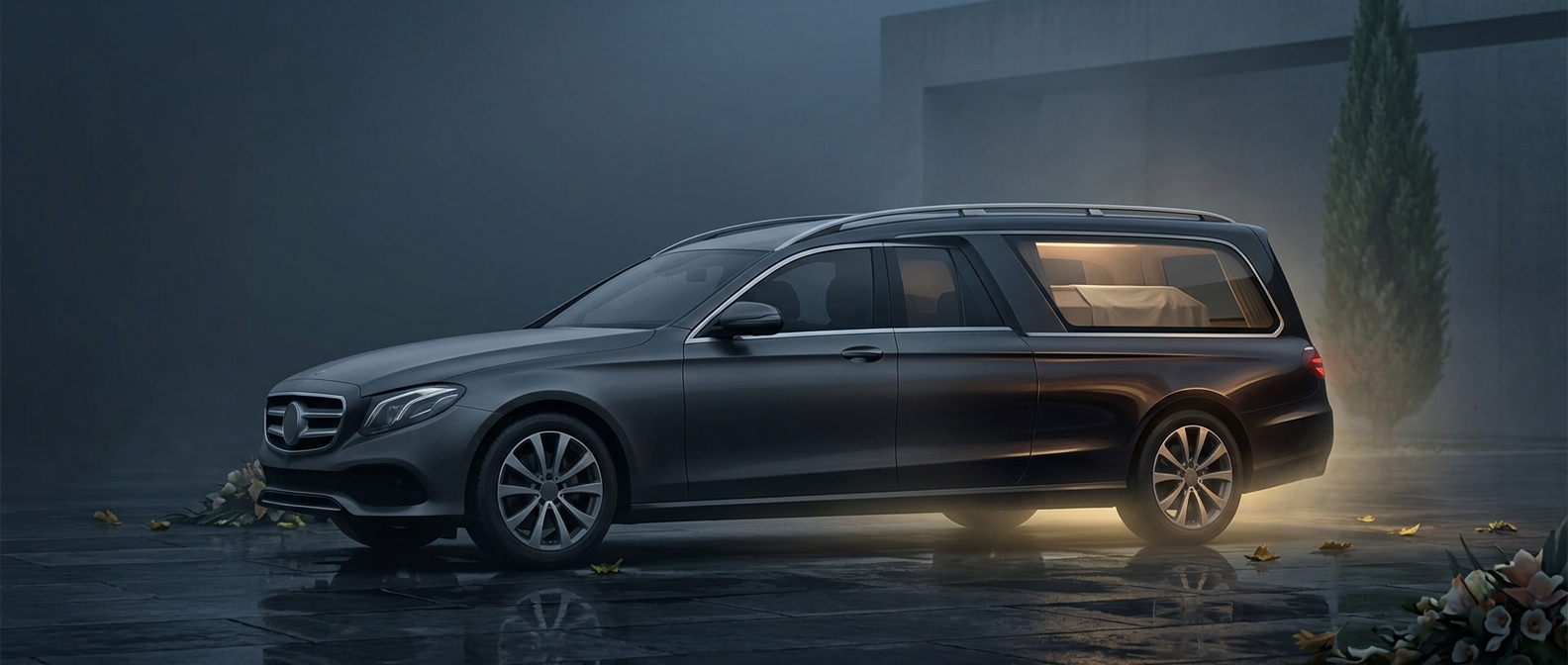
For families who choose it, the motorcycle can make the hearse itself part of the tribute—particularly when riding has been central to the person’s life. The specialized sidecar connects that personal meaning to a practical task: carrying the casket safely from the funeral gathering to the cemetery. It turns the final leg into a procession led not by a conventional car, but by a vehicle whose design makes room for both the rider and the casket.