Why the elevator stops taking passengers
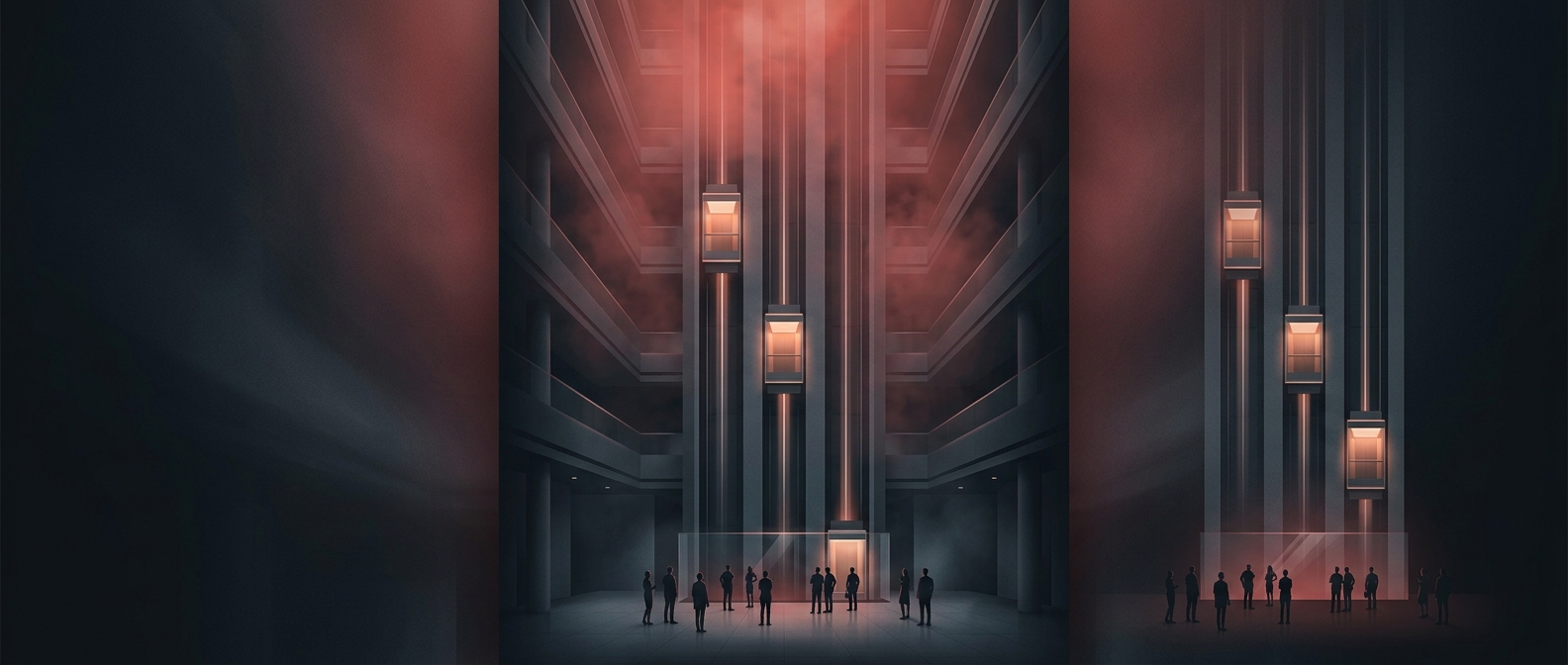
A building’s fire-alarm system can signal its elevators to enter recall mode, an emergency setting that overrides ordinary passenger calls. Instead of stopping for people waiting on other floors, the elevator travels to a designated floor—often the main entrance level—and opens its doors. The goal is to keep the car from continuing routine trips while a fire may make parts of the building unsafe.
The destination can change
The designated floor is not always the safest one. If the alarm is triggered near that floor, sending the elevator there could bring it toward smoke or fire. Systems can therefore be configured to send the car to an alternate floor when a relevant detector activates. The choice depends on the building’s design and alarm setup.
Recall is not the same as normal service
Once recalled, an elevator is generally unavailable for ordinary passenger use. In some buildings, firefighters can then operate elevators under special controls and procedures; recall alone does not make a car safe for anyone to use. The important change is that the elevator stops answering routine calls and follows an emergency plan instead. A person pressing the button on the way down cannot summon it back to make a stop.