Why Astrology Had No Place in Soviet Public Life
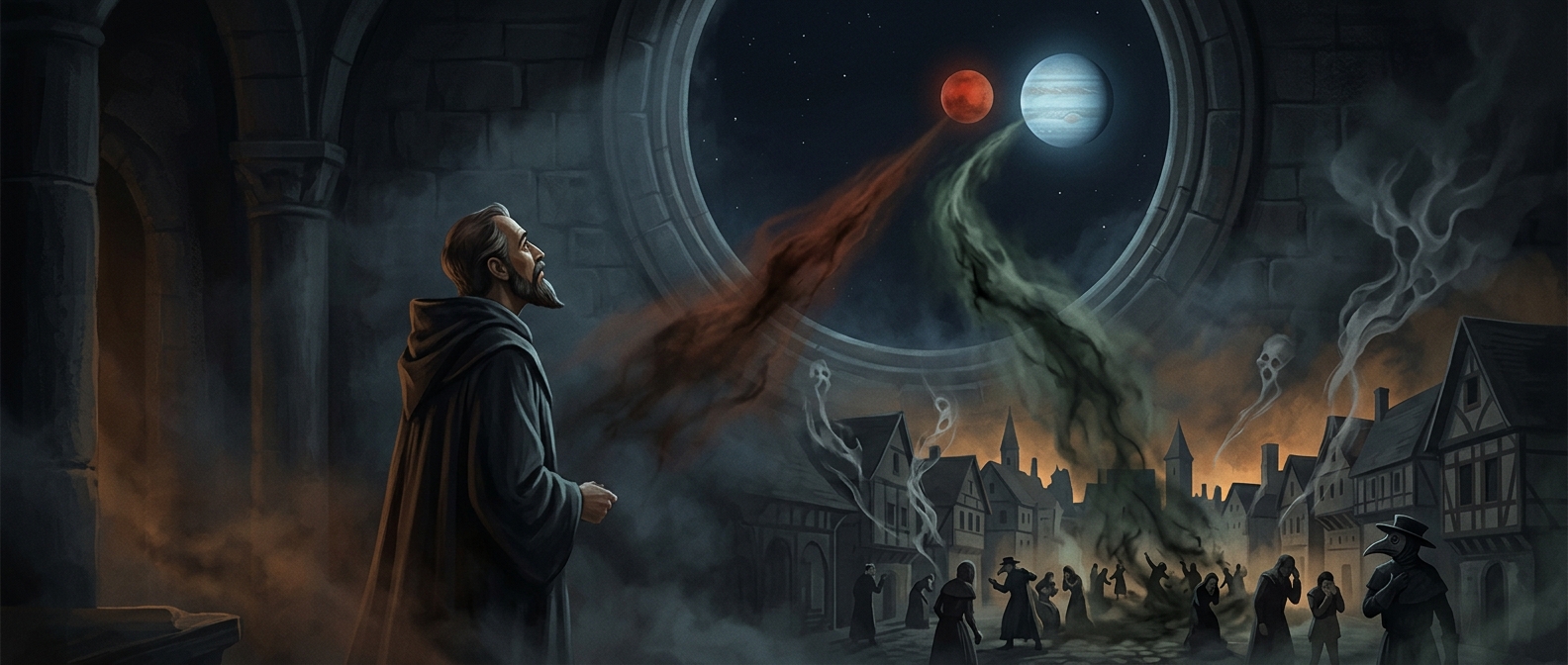
Astrology offered an explanation of human lives that Soviet official ideology rejected. A horoscope treats the positions of stars and planets as influences on personality or fate. Marxism-Leninism, by contrast, presented the world as governed by material conditions and processes that could be studied, not by supernatural forces.
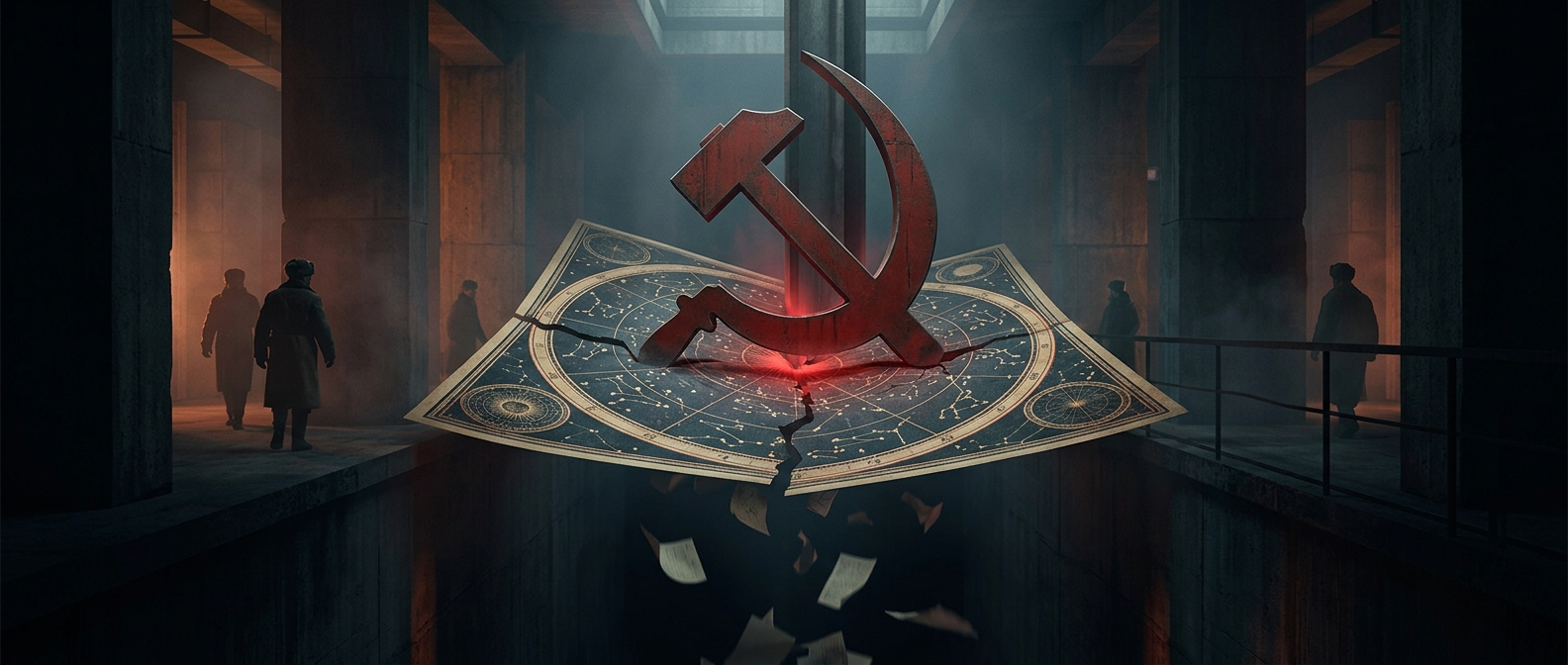
That difference made astrology more than a harmless diversion in the eyes of Soviet authorities. Its promise that a person’s future could be read in the heavens conflicted with an officially atheist, materialist account of how society and human lives changed. Public horoscopes therefore had no legitimate place in the Soviet press or other state-approved outlets.
From Ideological Conflict to a Missing Newspaper Column
Soviet newspapers and publishers operated under state control, so editors could not freely add a feature simply because readers might enjoy it. Content that promoted mysticism clashed with the state’s campaign to present scientific explanations as the credible alternative to religious and supernatural beliefs. Astrology was treated as superstition, not as a competing science.
The practical result was visible in what readers did not encounter: a routine horoscope telling them what the day’s planetary positions supposedly meant for work, love, or luck. That absence was part of a broader effort to define which kinds of explanations could appear in public life. The stars might still invite private curiosity, but they could not be presented in official media as guides to a person’s future.