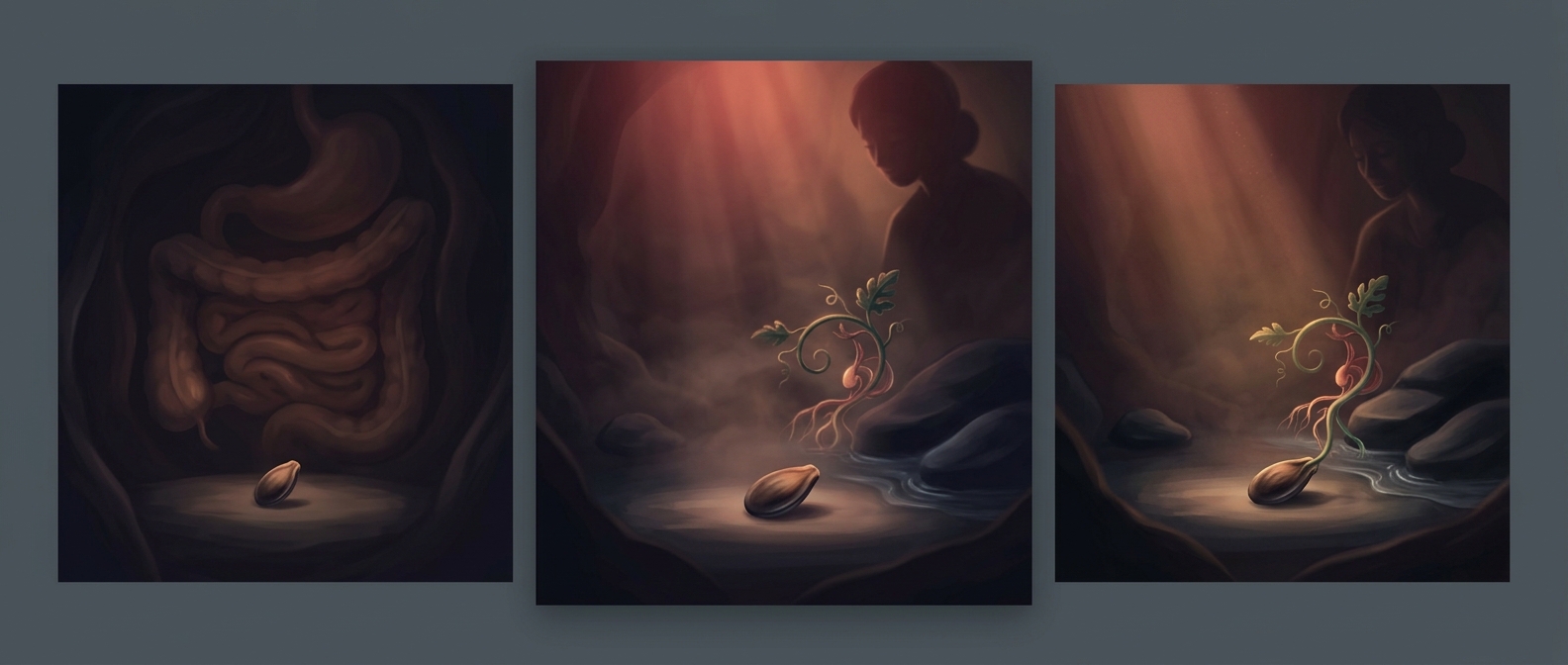
How gut fermentation can become intoxication
Normally, microbes in the digestive tract break down some food without producing enough alcohol to affect the body. In auto-brewery syndrome, alcohol-producing microbes ferment carbohydrates—such as sugars and starches—into ethanol. The ethanol can pass through the gut lining into the bloodstream, much as alcohol from a drink does.
The result can be episodes of intoxication without drinking: impaired coordination, dizziness, slurred speech, or confusion. How severe an episode becomes can depend on factors such as what a person has eaten and how active the fermenting microbes are. The condition is considered rare, and symptoms alone cannot establish that it is the cause.
Why identifying the cause takes care
Because the symptoms resemble ordinary alcohol intoxication, the source may be difficult to recognize. Clinicians may consider the person’s history, rule out other explanations, and use supervised testing to see whether alcohol appears after carbohydrate intake. Such testing needs medical oversight; it is not a reason to try a food challenge at home.
Finding the cause matters beyond explaining an unusual episode. A person may face safety risks while impaired and may be suspected of drinking when they have not. Clear medical documentation can help distinguish internally produced alcohol from drinking.
The treatment targets fermentation
Care aims to reduce the source of ethanol and prevent it from building up. Depending on the individual case, clinicians may adjust carbohydrate intake or use medication directed at the microbes involved, with follow-up to assess whether the problem returns. The practical point is that a meal can become part of the mechanism: carbohydrates that are ordinary fuel for most people may feed alcohol-producing fermentation in someone with this syndrome.