An empty stomach sends alcohol onward sooner
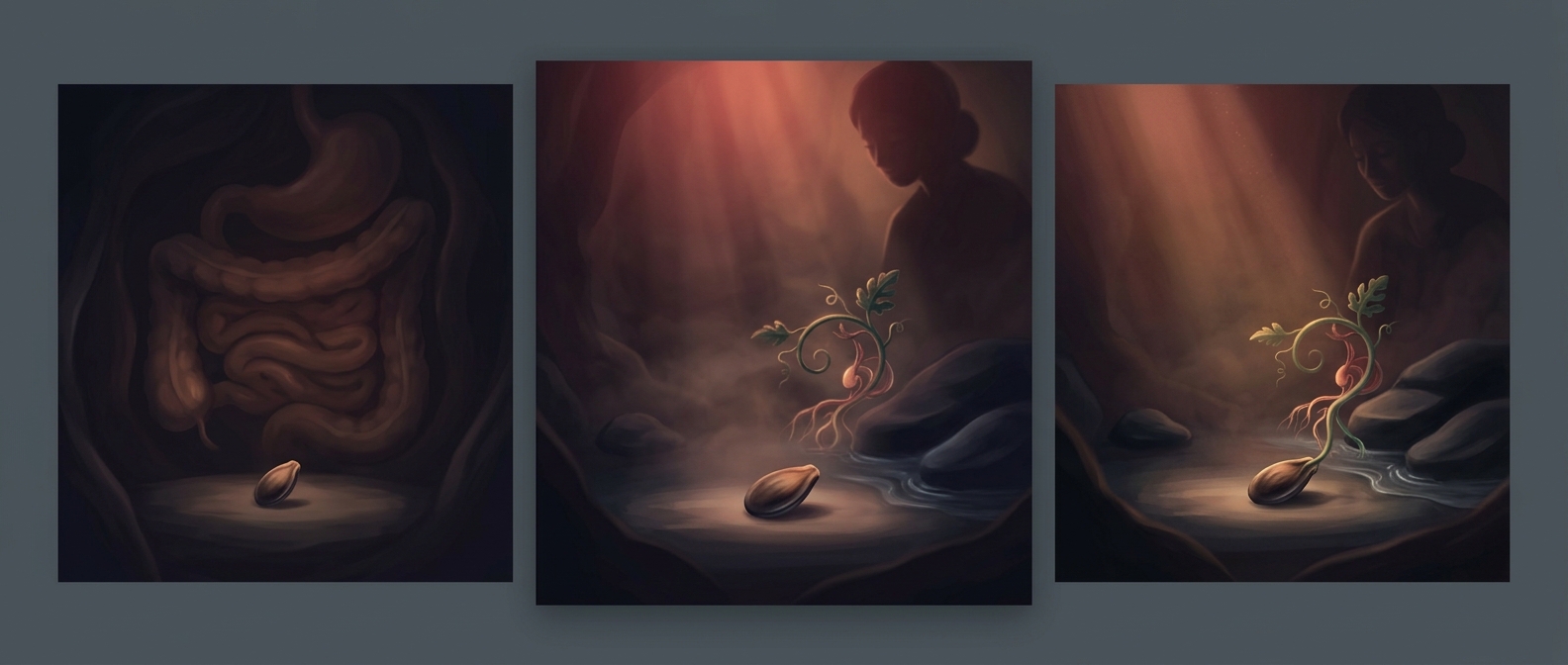
Alcohol does not need to be digested like food. After a drink reaches the stomach, some alcohol can pass through its lining into the blood, but much of it is absorbed in the small intestine. When the stomach is empty, liquid generally leaves it faster, so alcohol reaches the small intestine sooner and blood alcohol concentration can rise more quickly.
Food changes the pace, not the amount
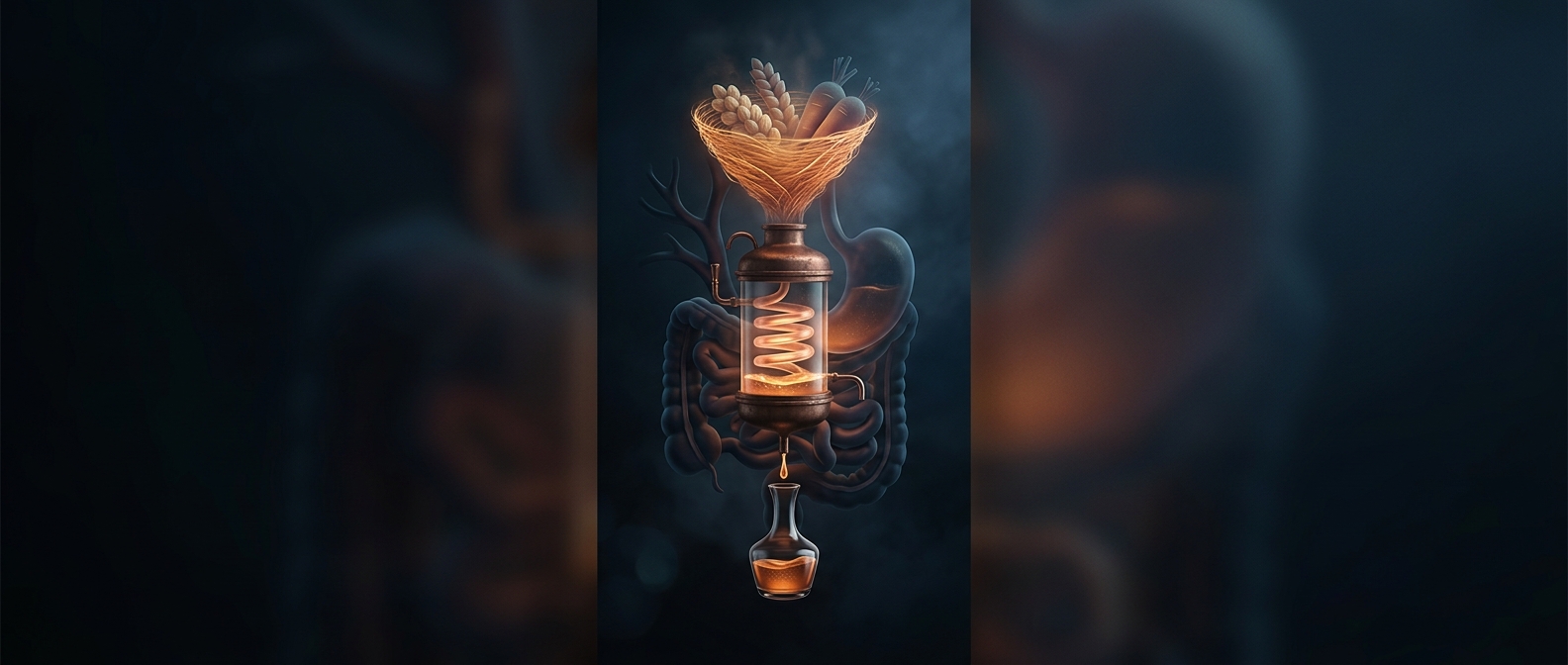
A meal slows the stomach’s emptying, spreading alcohol’s arrival in the intestine over more time. That can blunt or delay the rise in blood alcohol concentration. It does not make the alcohol disappear: the body still has to process the amount consumed, mainly through the liver. Eating after drinking has begun also cannot reliably undo alcohol already absorbed.
The speed of drinking matters too. If drinks arrive faster than the body can break alcohol down, alcohol accumulates in the blood. The resulting effects can feel abrupt—such as impaired coordination or judgment—before someone realizes how much their impairment has increased. An empty stomach changes the timing of the rise, not the drink’s alcohol content.