Why the Middle Seat Gets Both Armrests
The middle seat is the only one in the row without an obvious boundary. A window passenger can lean toward the cabin wall; an aisle passenger has space to one side and can shift into it when the aisle is clear. The middle passenger is boxed in by neighbors on both sides, with fewer easy ways to change posture.
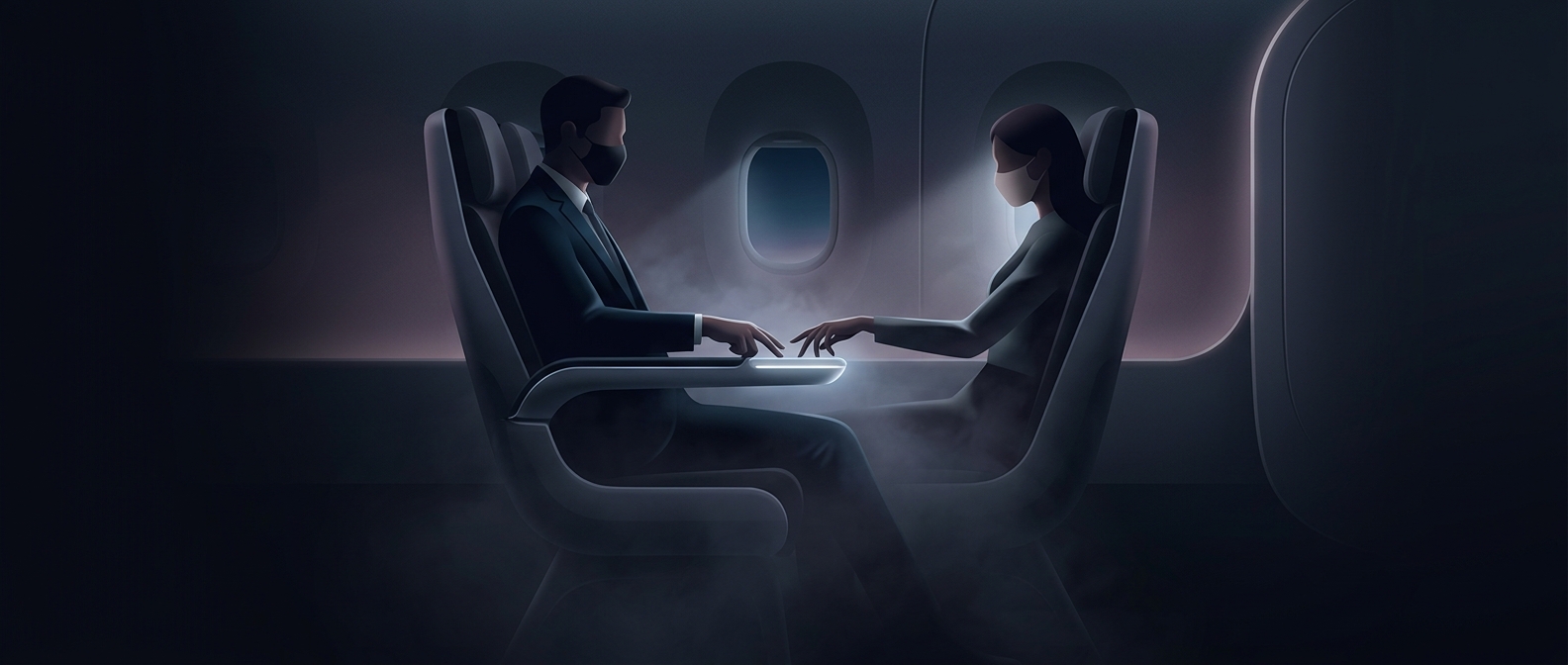
That makes the armrests a small but practical substitute for personal space. Resting an elbow there can keep shoulders from pressing together and give the middle passenger somewhere to put their arms without reaching across a neighbor. The claim is less about comfort than about dividing a cramped shared area fairly.
A Tiny Rule for a Tight Space
Airplane seats are arranged in fixed rows, so passengers cannot negotiate more room by moving their seats apart. The armrests are the narrow strips of space left between them. Treating the middle passenger as entitled to both is an informal compromise: the window and aisle seats already have advantages that the person in the middle lacks.
It is not a formal airline rule, and it does not guarantee that every armrest will be free. But the etiquette gives passengers a simple way to avoid a low-stakes contest over inches. In a row where everyone has limited room, assigning the middle seat the armrests turns an awkward ambiguity into a small, recognizable act of fairness.