The Social Standoff Behind a Fake Nap
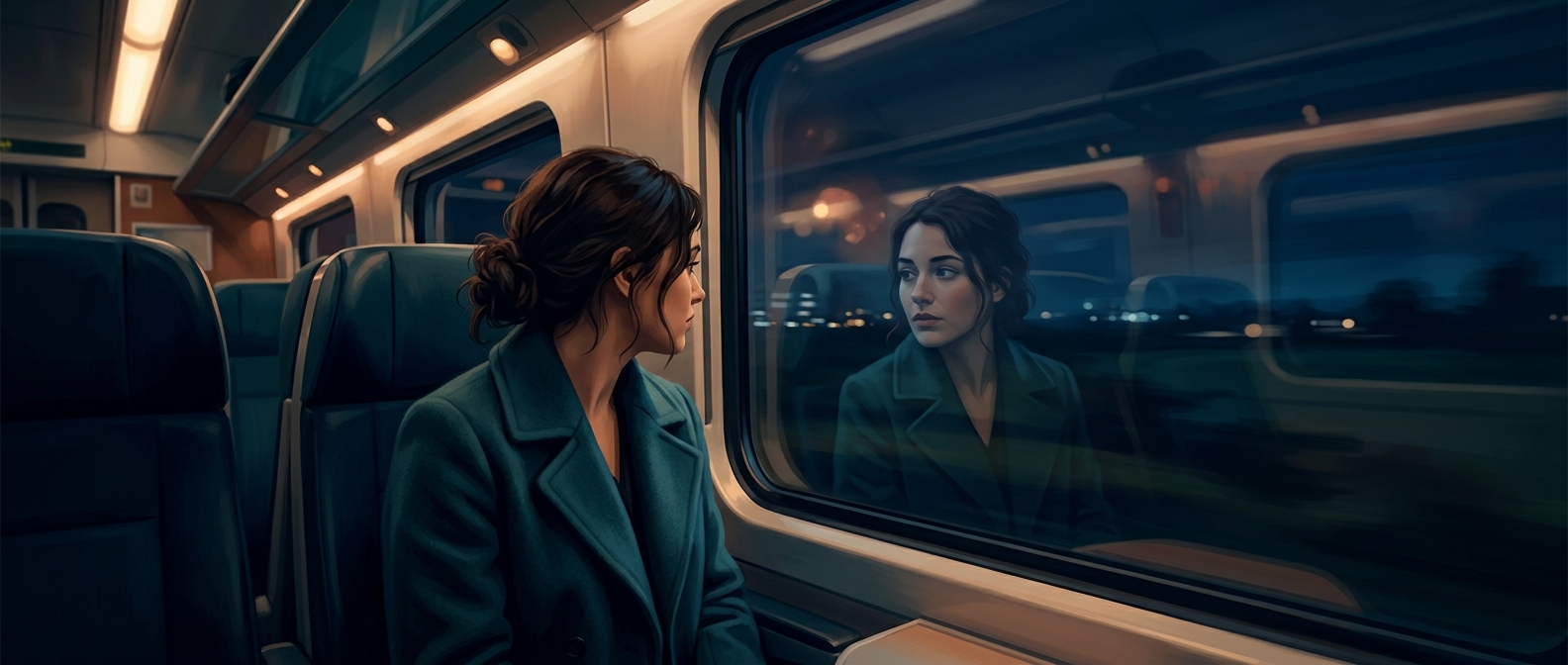
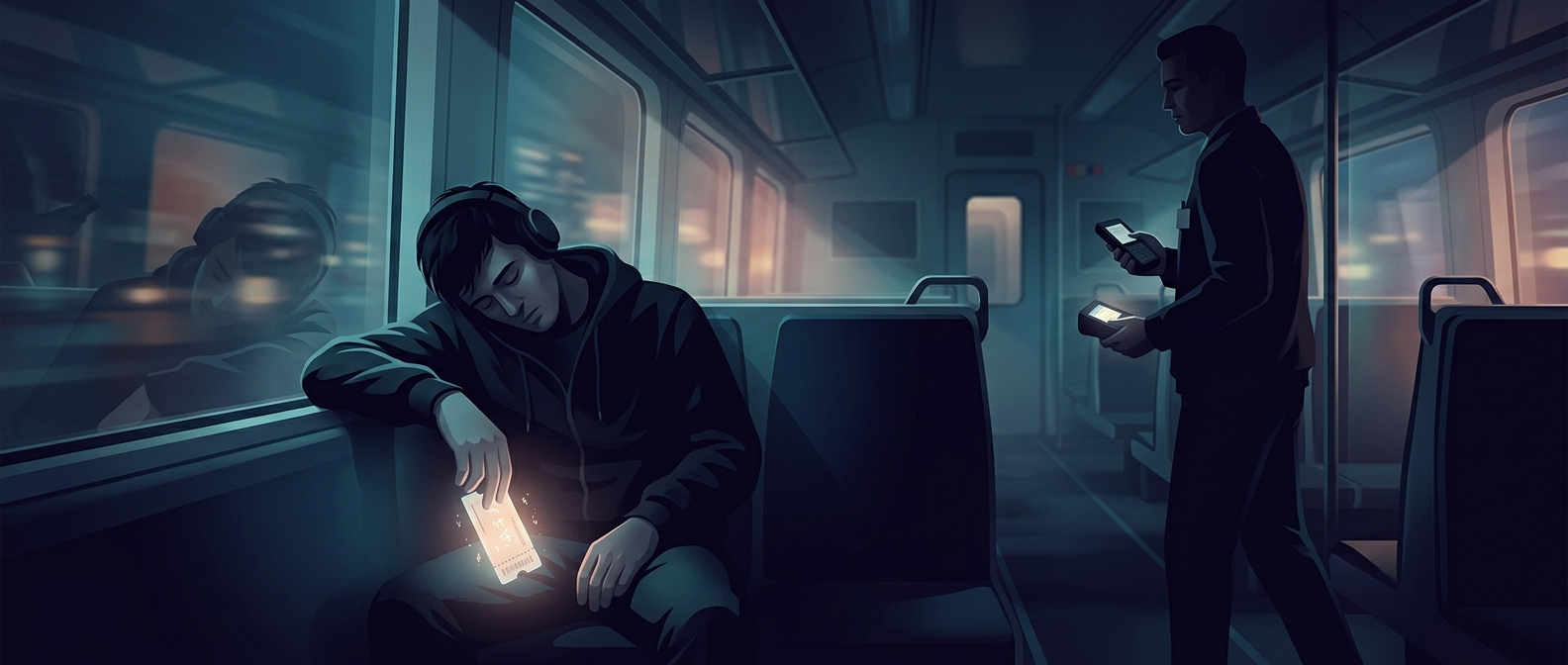
Pretending to sleep can create a small but useful ambiguity: is the passenger avoiding the inspection, or simply unaware of it? An inspector who wants to check a fare now has to decide whether to interrupt someone who appears to be resting. That extra social step can buy the passenger a few seconds—and make the encounter feel less direct.
The tactic also offers a face-saving story. If challenged, the passenger can claim not to have noticed the inspector, rather than openly refusing to show a ticket. This does not make the fare question disappear; it shifts the immediate problem from “Will you comply?” to “Should I wake you?”
Why the Awkwardness Matters
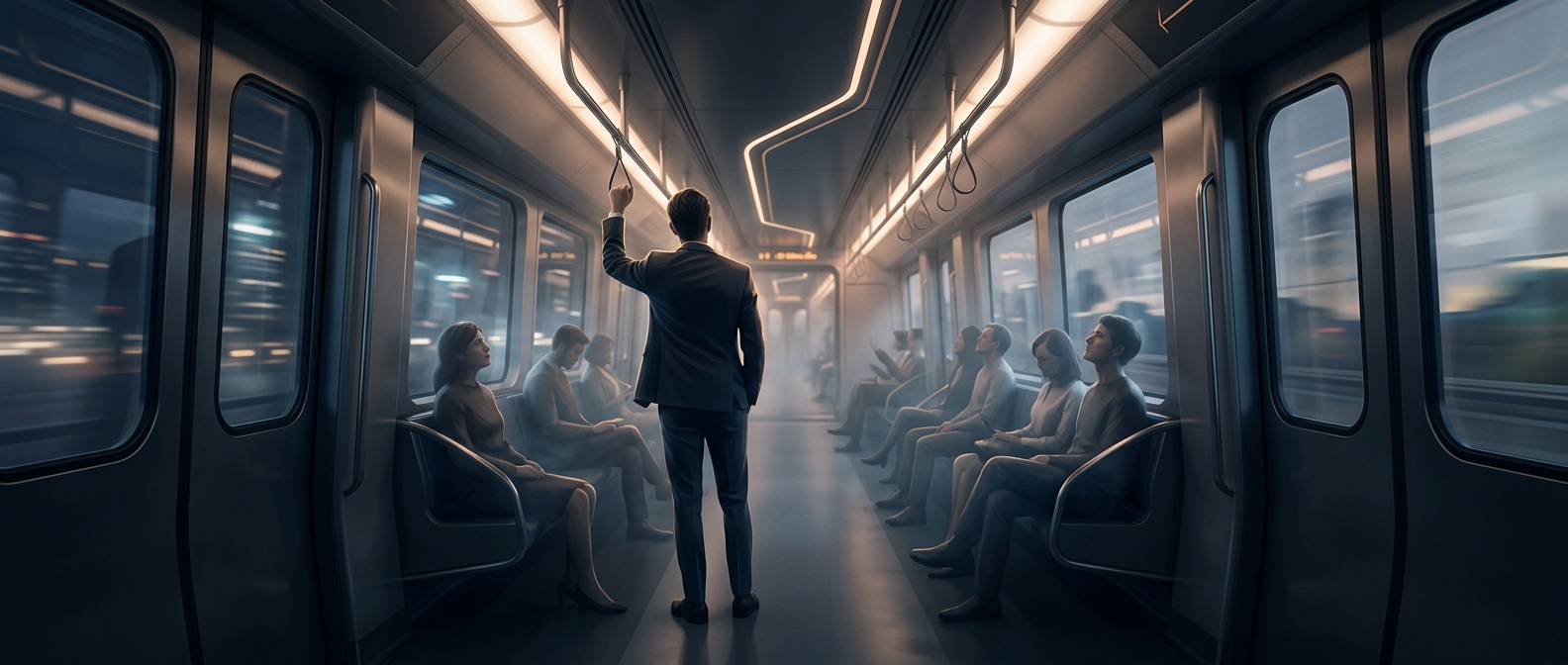
Fare checks depend partly on interaction, not just on rules. Inspectors must get a passenger’s attention, ask to see proof of payment, and respond if it is missing. A sleeping pose complicates that routine because waking someone can feel intrusive, while letting the person remain undisturbed may leave the check unfinished.
That hesitation is a social pressure point, not a reliable way to avoid inspection. The inspector can still speak to the passenger, and a delayed check may only make the exchange more conspicuous. The nap is less a clever escape than an attempt to make another person bear the discomfort of starting the conversation.
The contrast is what makes the maneuver recognizable: a ticket settles the fare question with little drama, while pretending to sleep turns it into a test of who is willing to break the silence first.