Why the cabin wins the reflection
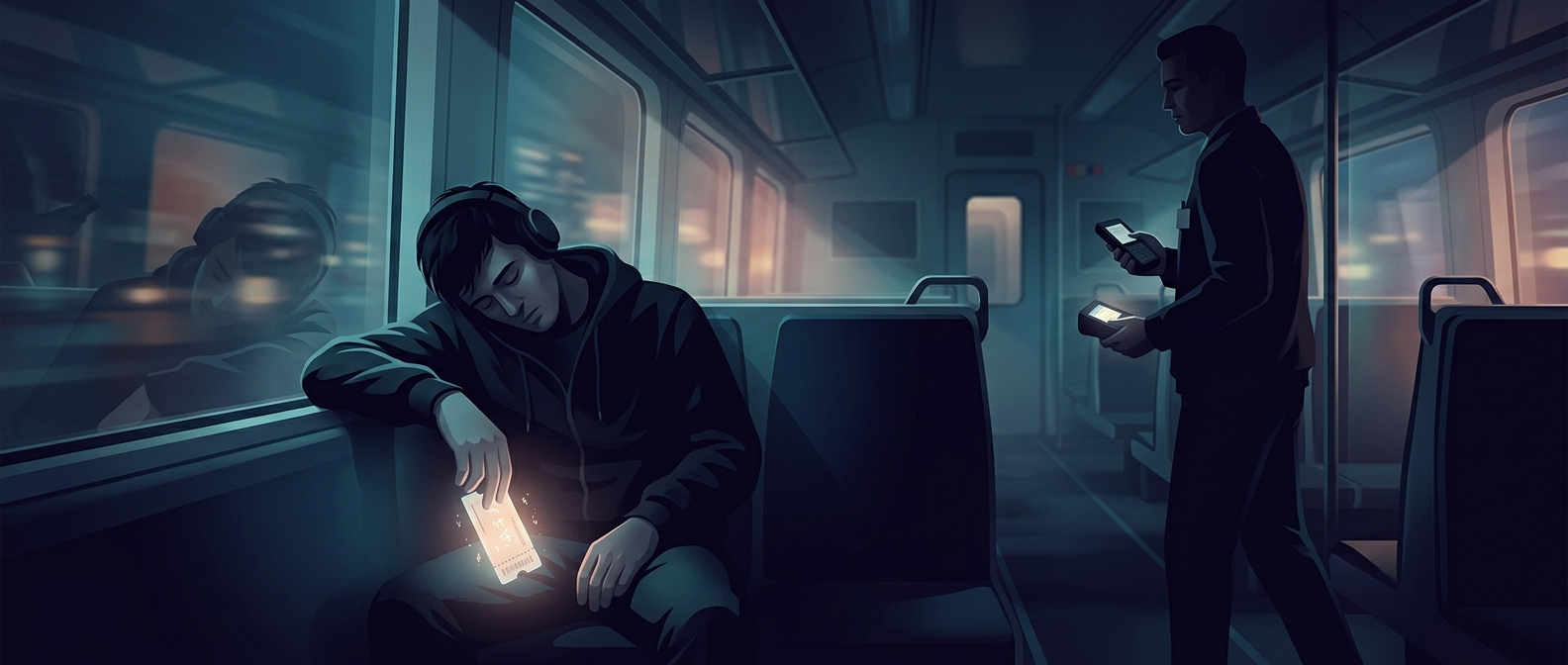
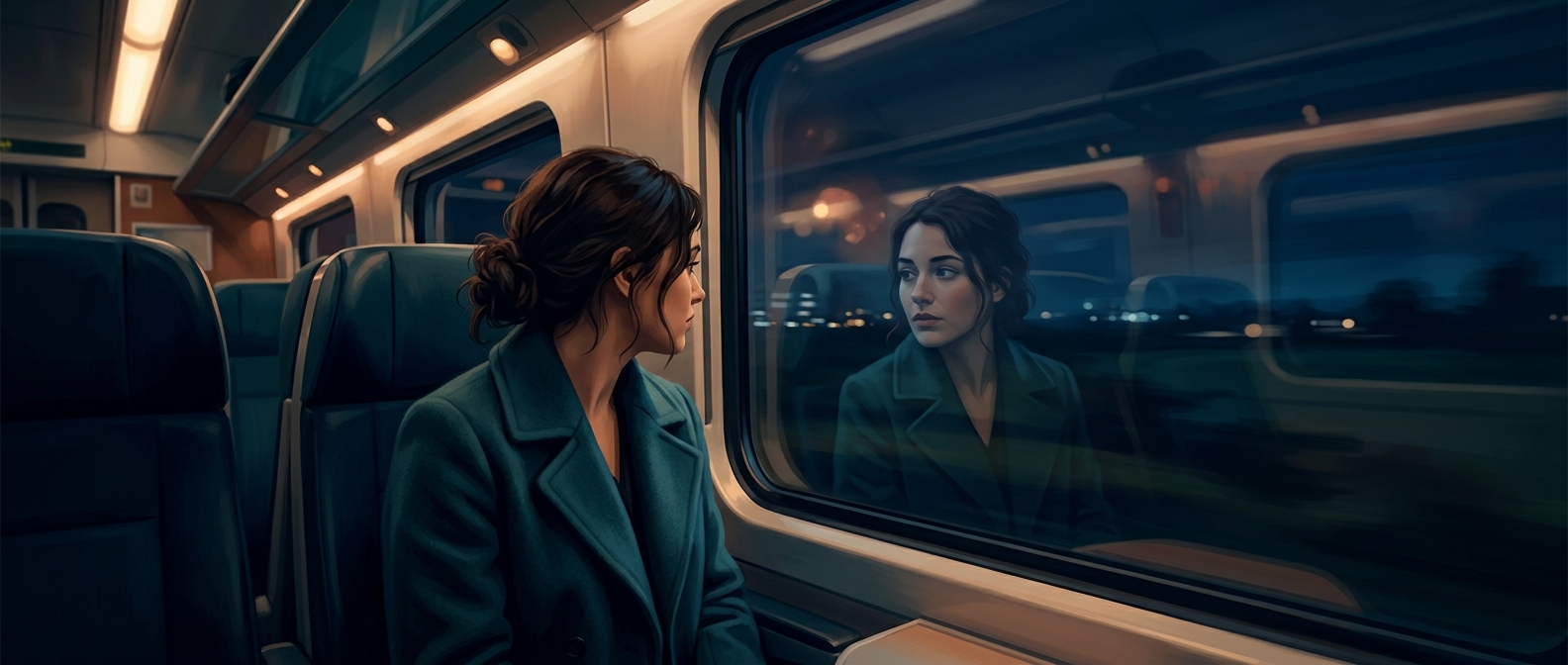
A train window is not a perfect mirror. Some light passes through the glass, while some bounces back from its surfaces. What you see depends on the balance between those two streams: light from outside reaching your eyes and light from inside reflecting toward them.
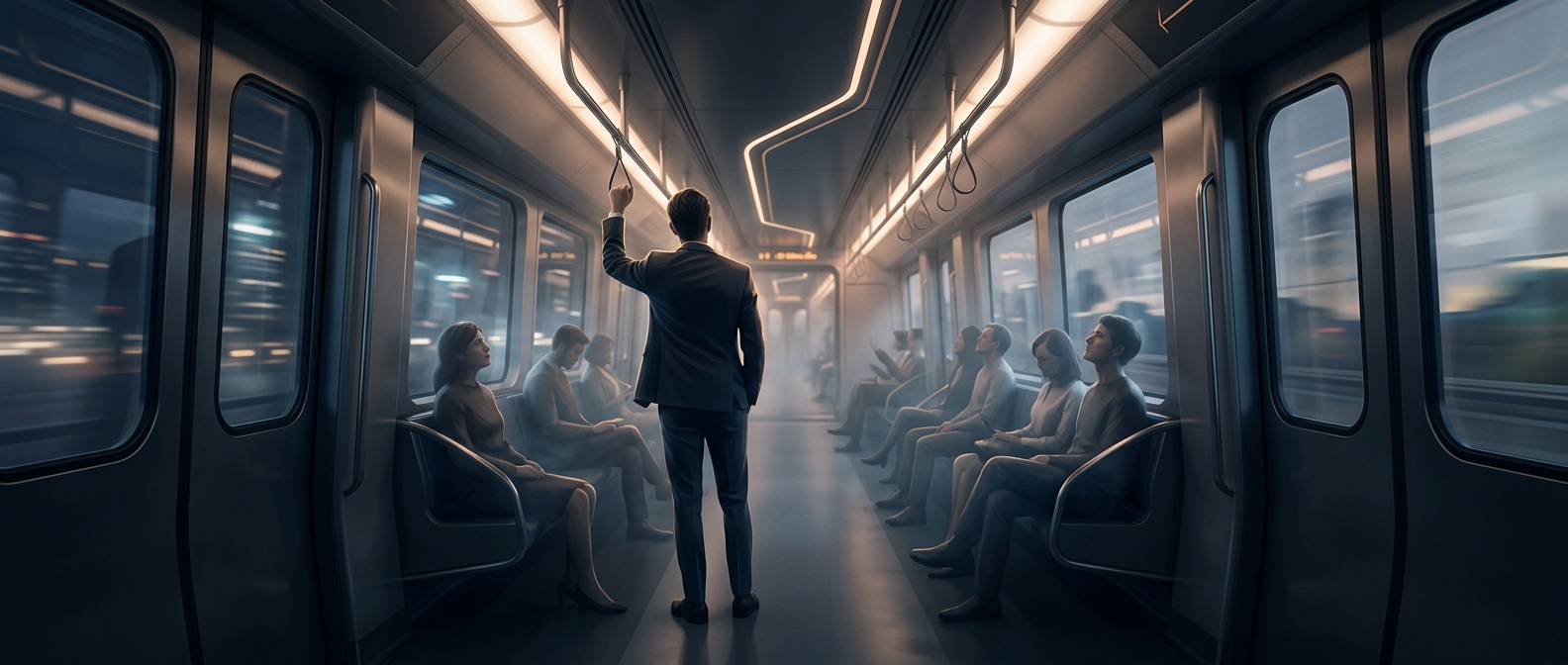
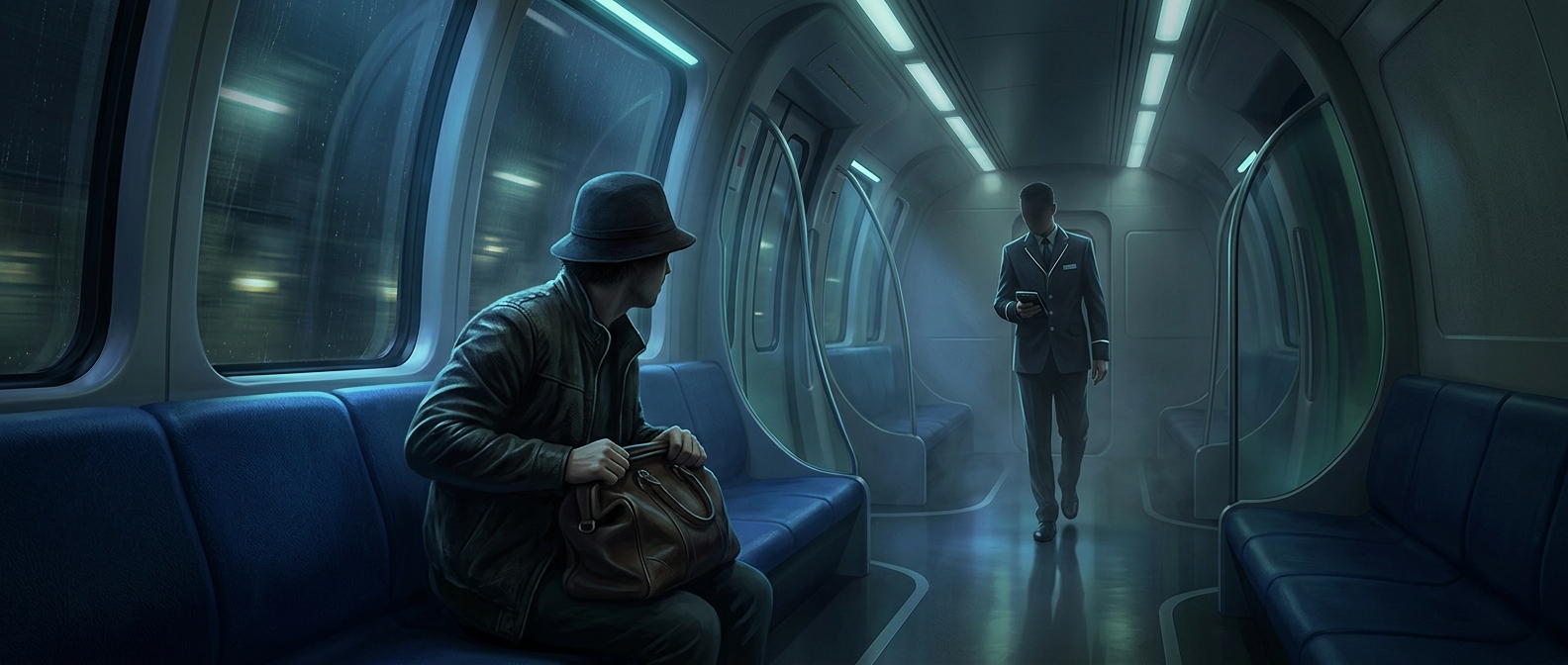
In daytime, the landscape is usually bright enough to dominate. After dark, the situation reverses. Lamps, screens, and passengers illuminate the cabin, while the scenery beyond the window is dim. The glass sends a portion of that cabin light back at you, and there is too little outdoor light to make the view stand out.
The same pane, two competing views
Your eyes also adapt to the brighter interior. That makes faint details outside harder to pick out, while your face and nearby seats remain visible in the reflection. The glass has not changed; the contrast has. A dark stretch of track can therefore look almost blank, even when the train is moving through a real landscape.
The effect can shift from moment to moment. Passing a station, a lit building, or another train adds light outside, briefly bringing the view back through the reflection. Move toward a darker part of the carriage or shield the window from interior light, and the reflected scene may become less prominent.
That is why a night train window can seem to switch roles: with a bright cabin and a dark world beyond, it shows you the passengers before it shows you the journey.