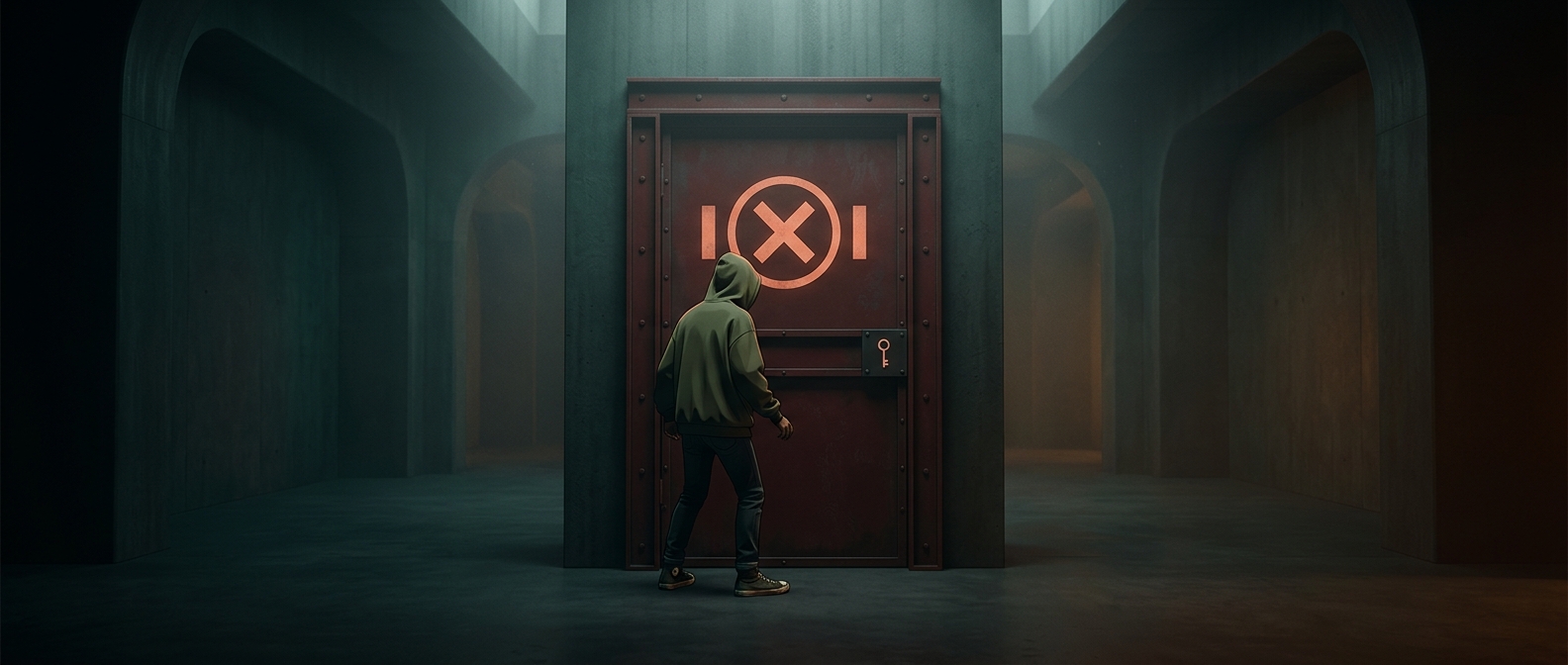
Why the Same Setback Can Lead to Different Choices
Imagine two people whose job applications are rejected. One thinks, “I can revise my résumé and try a different approach.” The other thinks, “It doesn’t matter what I do; hiring is just luck.” The rejection is the same, but each person’s belief about control changes what seems worth doing next.
Psychologists often describe this difference as locus of control: whether someone tends to see outcomes as shaped mainly by their own actions, or by forces outside their influence. It is not a simple split between believing you control everything and believing you control nothing. Most people feel more influence in some parts of life than others, and real outcomes usually involve both personal choices and circumstances.
Belief Changes What You Try
When a goal seems partly controllable, effort can feel useful. A person may look for feedback, practice, or another route after a setback. If the outcome seems fixed by luck or other people, the same effort can feel wasted, making withdrawal more tempting.
That response can become self-reinforcing. Trying a new strategy may create another opportunity to learn or improve; giving up removes those chances. But this does not mean that persistence guarantees success. Some barriers are genuinely outside an individual’s control, and recognizing them can help someone redirect effort rather than blame themselves for every failure.
A Practical Question, Not a Promise
The useful question is not “Can I control the outcome?” but “Which part of this situation can I influence?” Someone cannot make an employer offer a job, for example, but may be able to seek feedback, build a skill, or apply elsewhere. A sense of agency matters because it shapes the next action—not because it makes every outcome controllable.