A closer look
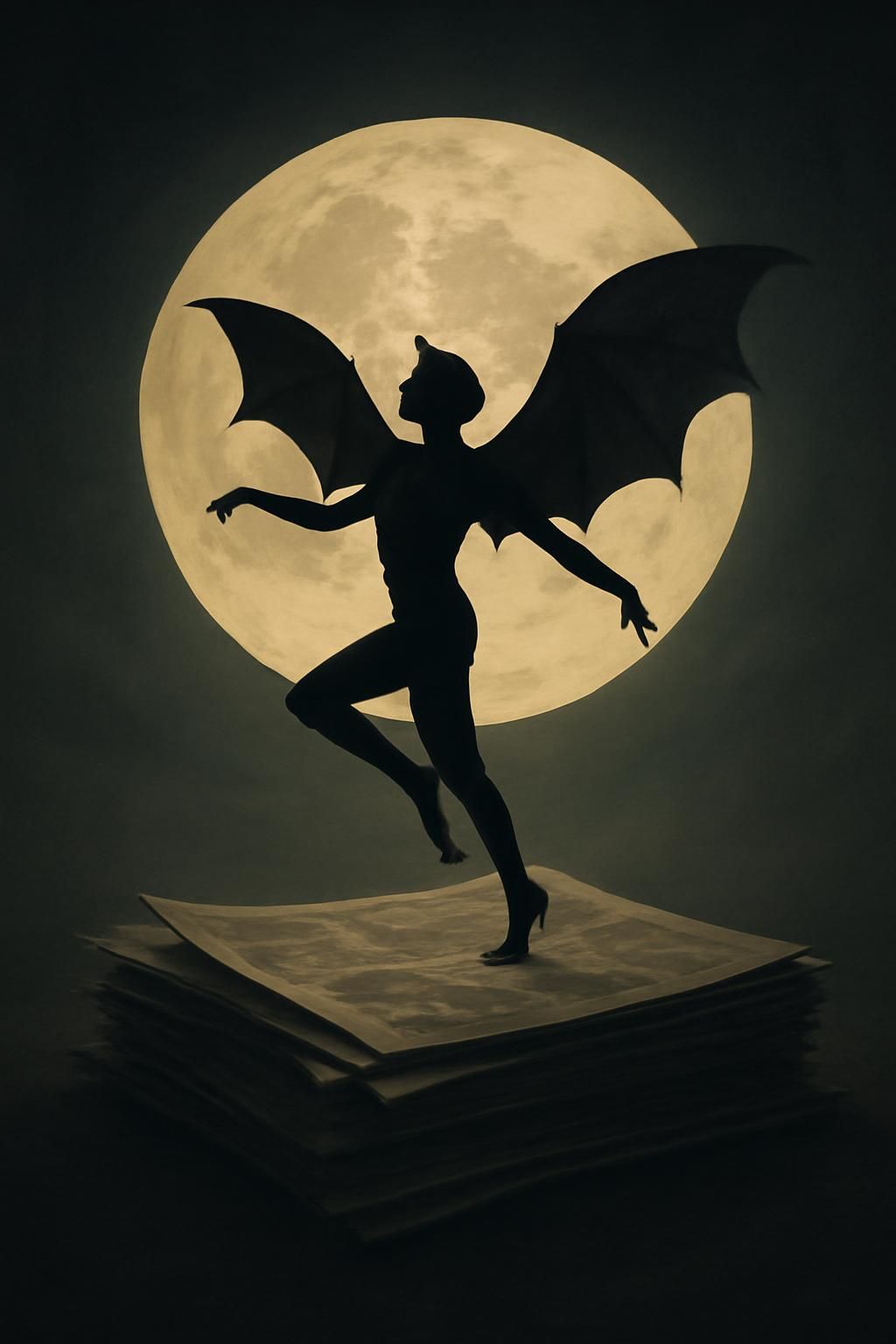
In 1835, thousands of New Yorkers believed that bat winged humans were dancing on the Moon, and their most trusted newspaper swore it was true. The New York Sun published a series of articles claiming a famous astronomer had discovered lunar forests, bison, and glass like temples through a super telescope. The stories were total fiction, packed with fake scientific jargon and detailed sketches that made the lie feel impossible to doubt. People crowded streets to read the latest installment, and rival papers reprinted it because they could not afford to miss the sensation. The hoax finally collapsed when the real observatory denied everything, but the paper never truly apologised. Why would it? Sales had exploded. The pattern should feel familiar: attention first, correction later, and almost no punishment for whoever invented the wildest claim. The Great Moon Hoax is a 19th century version of viral clickbait, reminding us that misinformation did not start with the internet; we just built faster printing presses.