How a Rabbit Birth Became a Medical Sensation
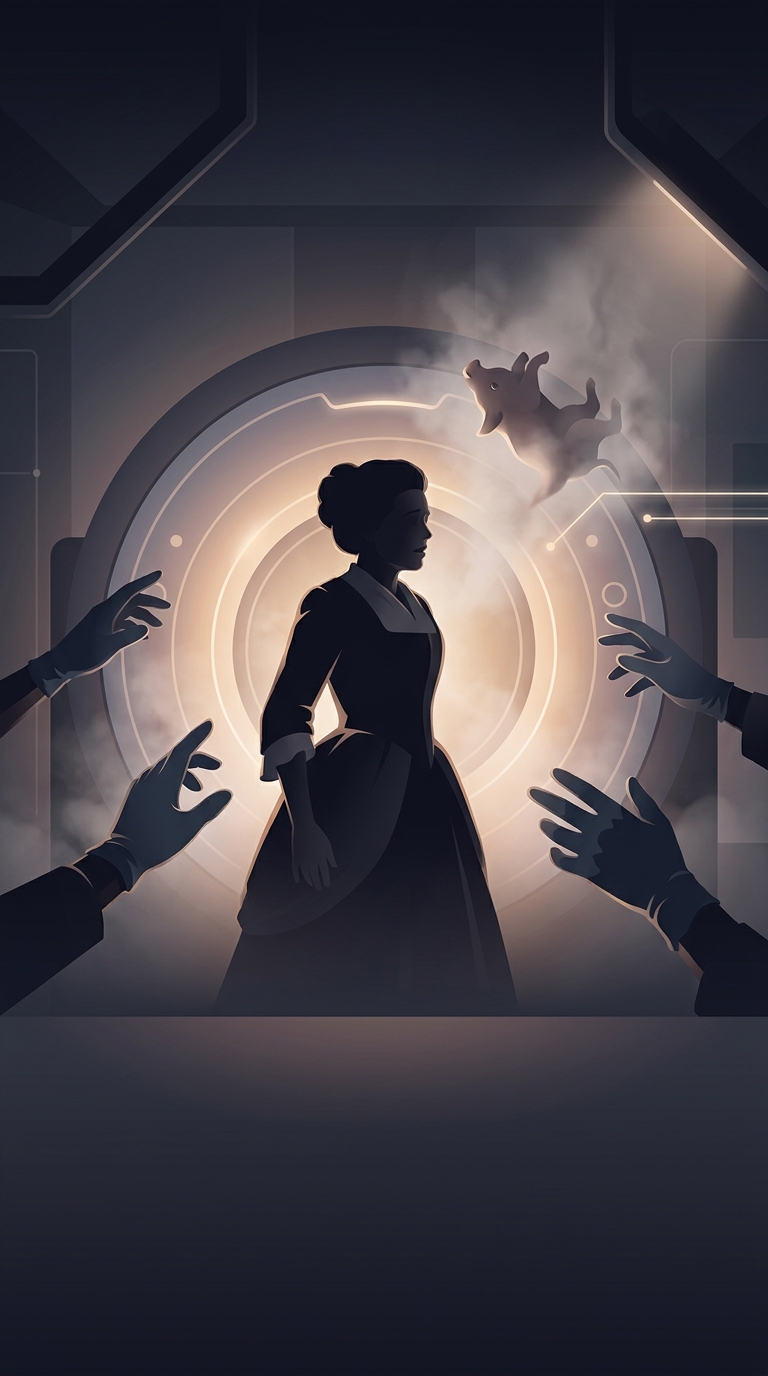
In 1726, Mary Toft, a servant in Surrey, claimed that she was giving birth to rabbits. The story reached London and drew in doctors who examined her, including the king’s surgeon, Nathaniel St André. For physicians of the period, the case was not merely a marvel: it seemed to pose a question about how a pregnant woman’s body could produce such an astonishing result.
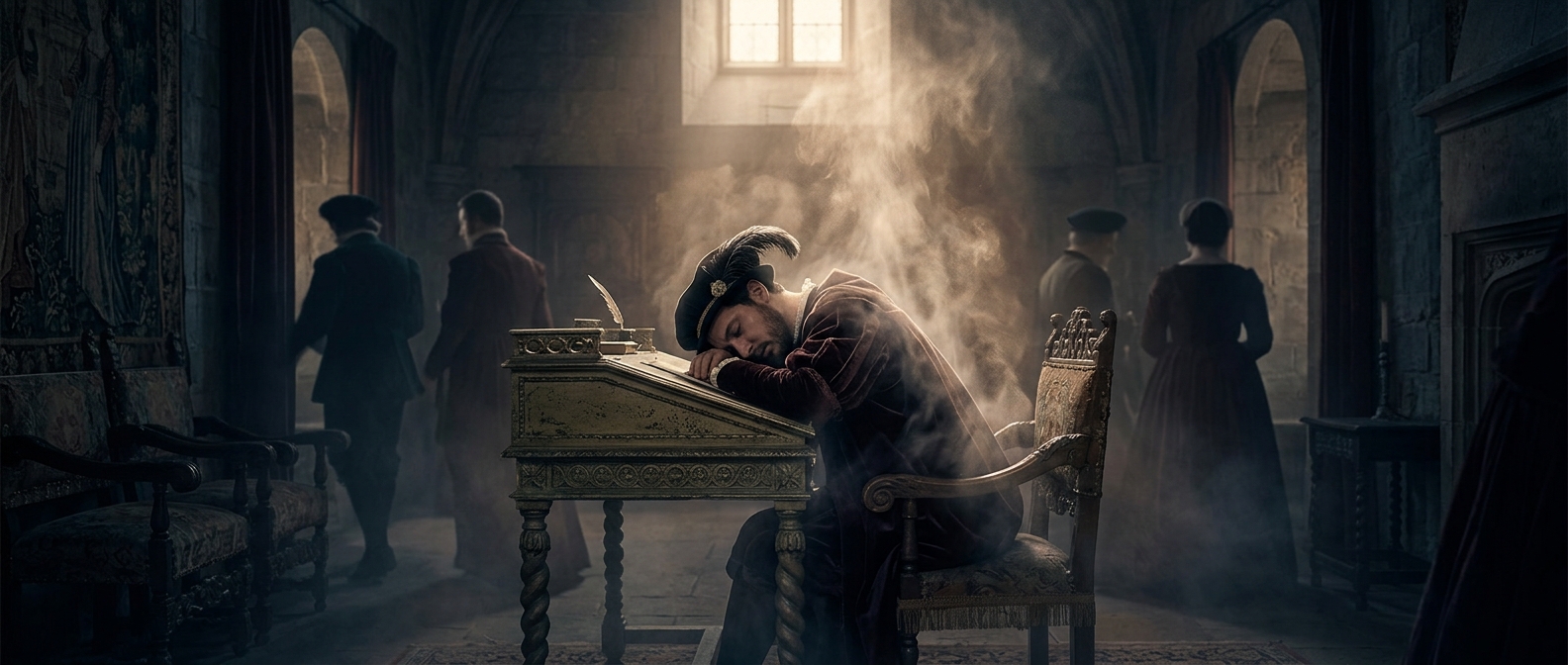
One idea then in circulation was maternal impression: the belief that a pregnant woman’s intense experiences or desires could physically shape what she bore. Toft’s account could therefore be fitted into existing medical speculation, even though it was extraordinary. Doctors’ willingness to investigate the claim shows how an unusual report could gain authority when it appeared to match a framework they already considered plausible.
The prop that broke the case
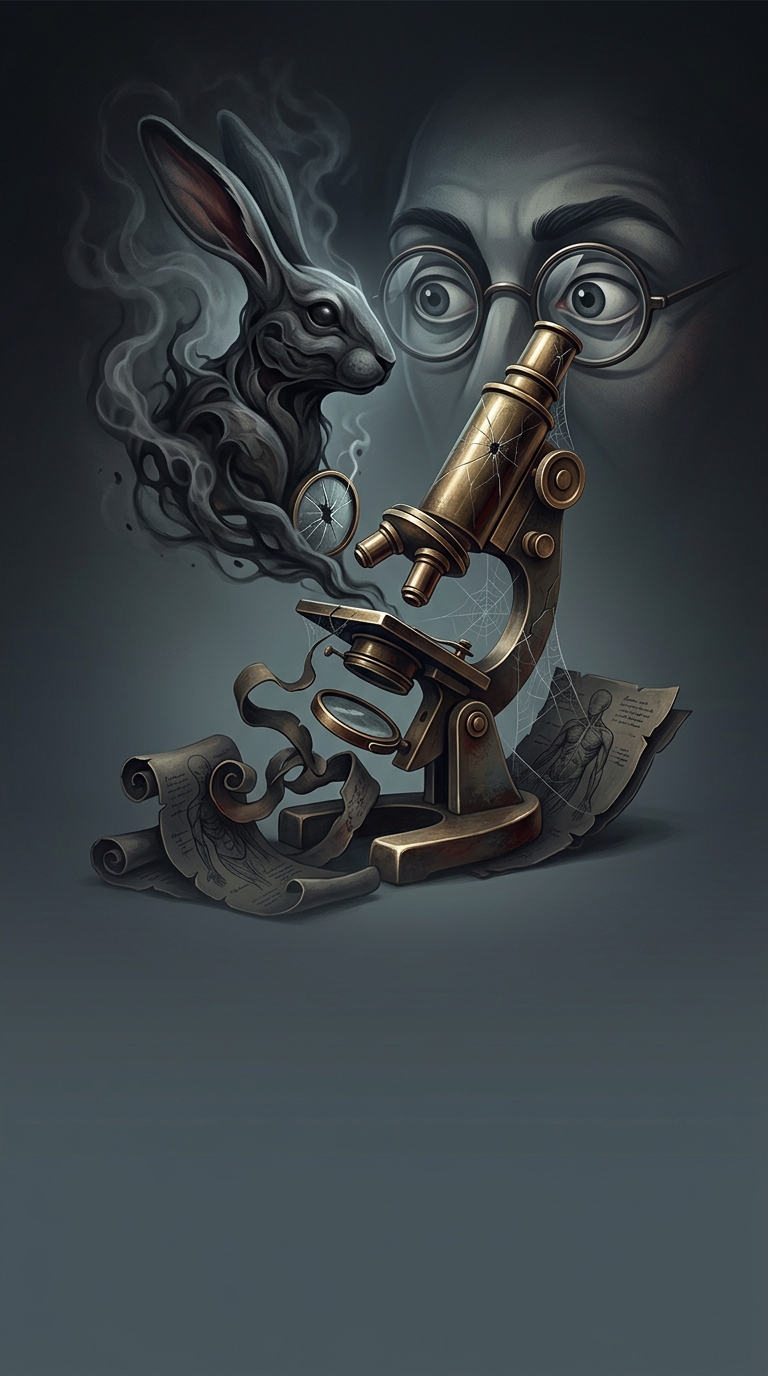
The claim depended on rabbits appearing to come from Toft’s body. A porter caught her trying to bring a dead rabbit into her room, exposing a way to manufacture evidence for the supposed births. Once the trick was uncovered, the central spectacle no longer required a medical explanation: the animals could be smuggled in rather than produced by her body.
That practical detail mattered more than another learned argument. The porter had seen the missing link between the claim and its apparent proof, while the doctors had interpreted the reports as a bodily mystery. The scandal also made St André’s credulity a public embarrassment, because his royal position had lent the episode authority.
Toft’s case is remembered not simply because the story was bizarre, but because it reveals how status and medical theory can amplify a claim before anyone checks how its evidence was made. Here, one rabbit carried into a room was enough to unravel a spectacle that had persuaded some of Britain’s most prominent physicians.