Why a few teenage moments become landmarks
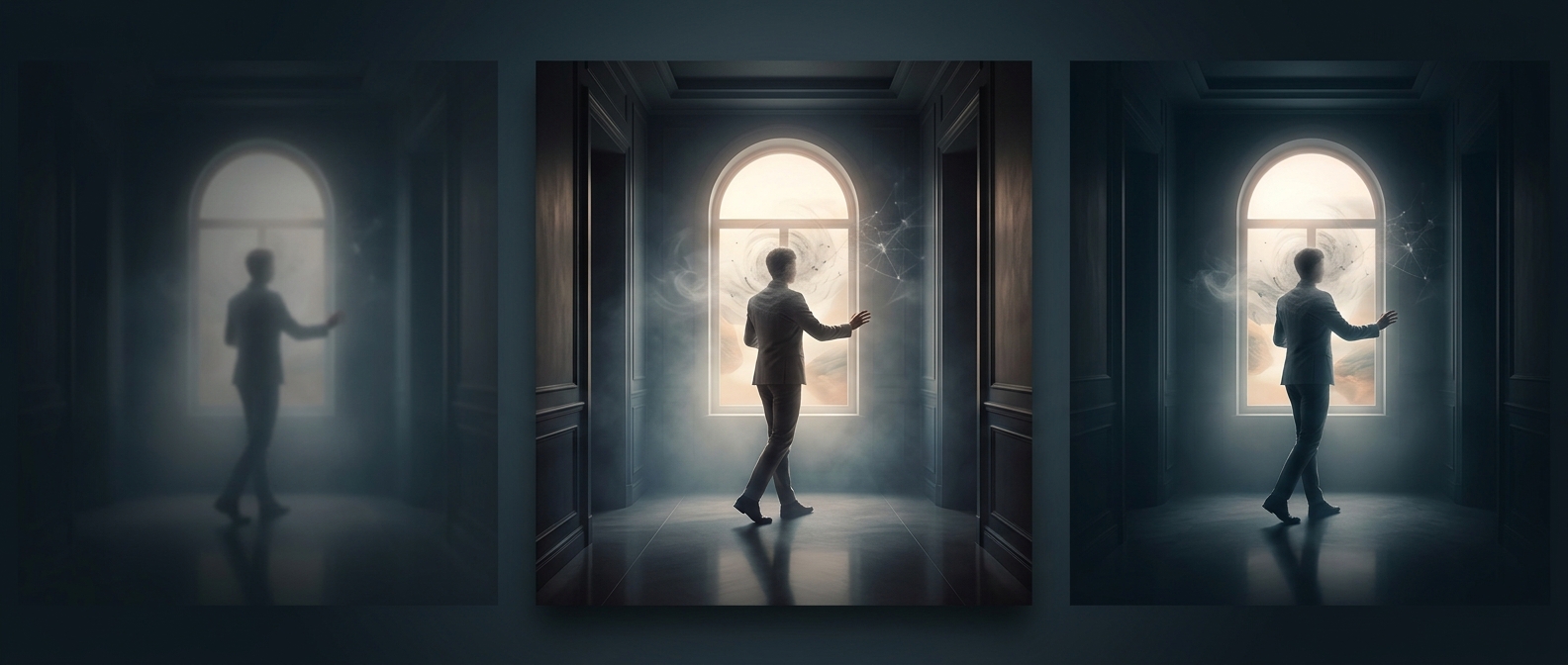
A memory does not preserve the past like a complete recording. The mind keeps fragments—an argument, a first performance, the walk home afterward—and later connects them into a story about what kind of person you are. During adolescence, that story is still taking shape. New experiences can therefore become useful evidence: I’m brave, I don’t fit in, or I can count on this person.
Emotion gives an event extra weight
Strong feelings help make an experience memorable, but the feeling is not stored as a perfect replay. Years later, you may remember the sting of being laughed at more clearly than the exact words or the order of events. As you revisit the episode, its meaning can also shift with what you know now. The memory remains important partly because it helps explain the present, not because every detail has stayed unchanged.
Why the song or afternoon still comes to mind
A cue can bring a self-defining memory back quickly. A familiar song may restore the setting and mood of a friendship; a similar social situation may recall an embarrassing moment. Those memories act like personal reference points, shaping expectations about what feels safe, risky, or worth pursuing.
That is why an ordinary-looking teenage episode can loom large in adulthood: it may have become shorthand for a turning point in the story you tell yourself.