How HSV-1 waits inside nerve cells
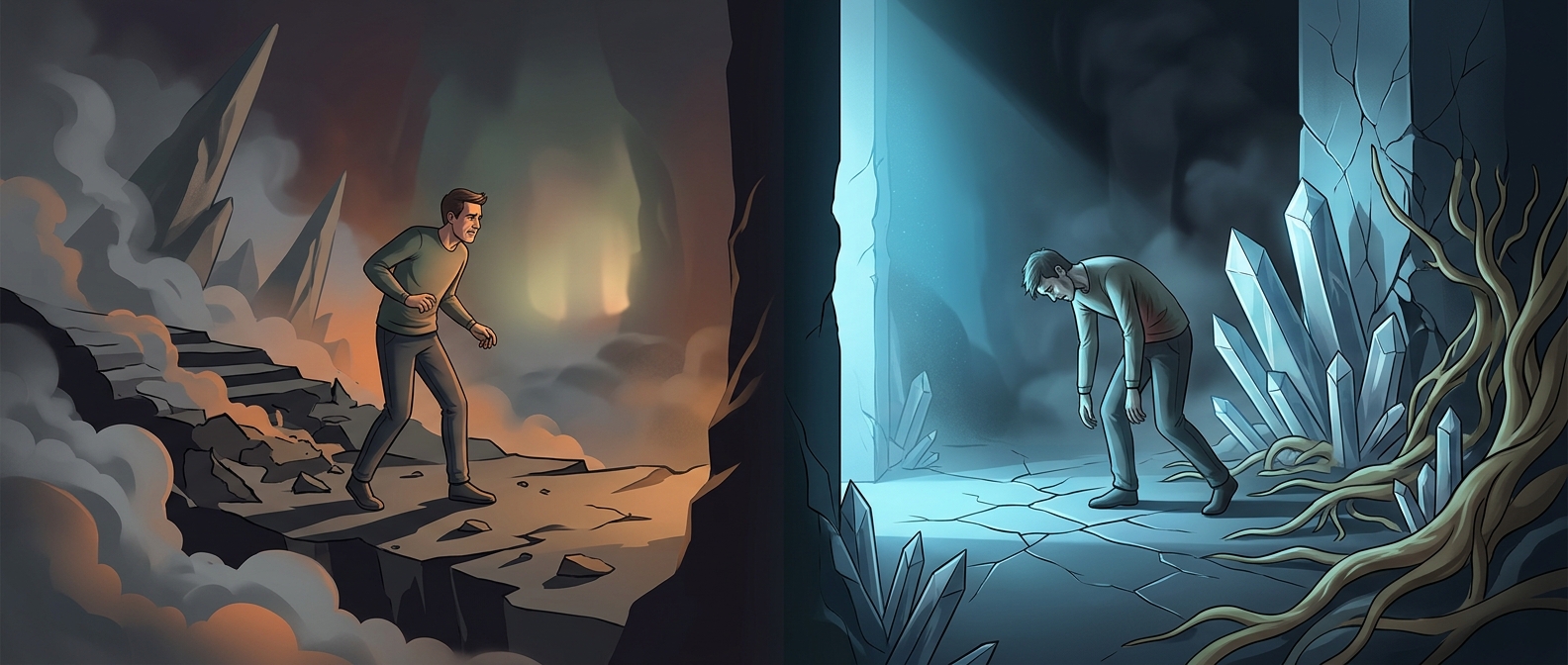
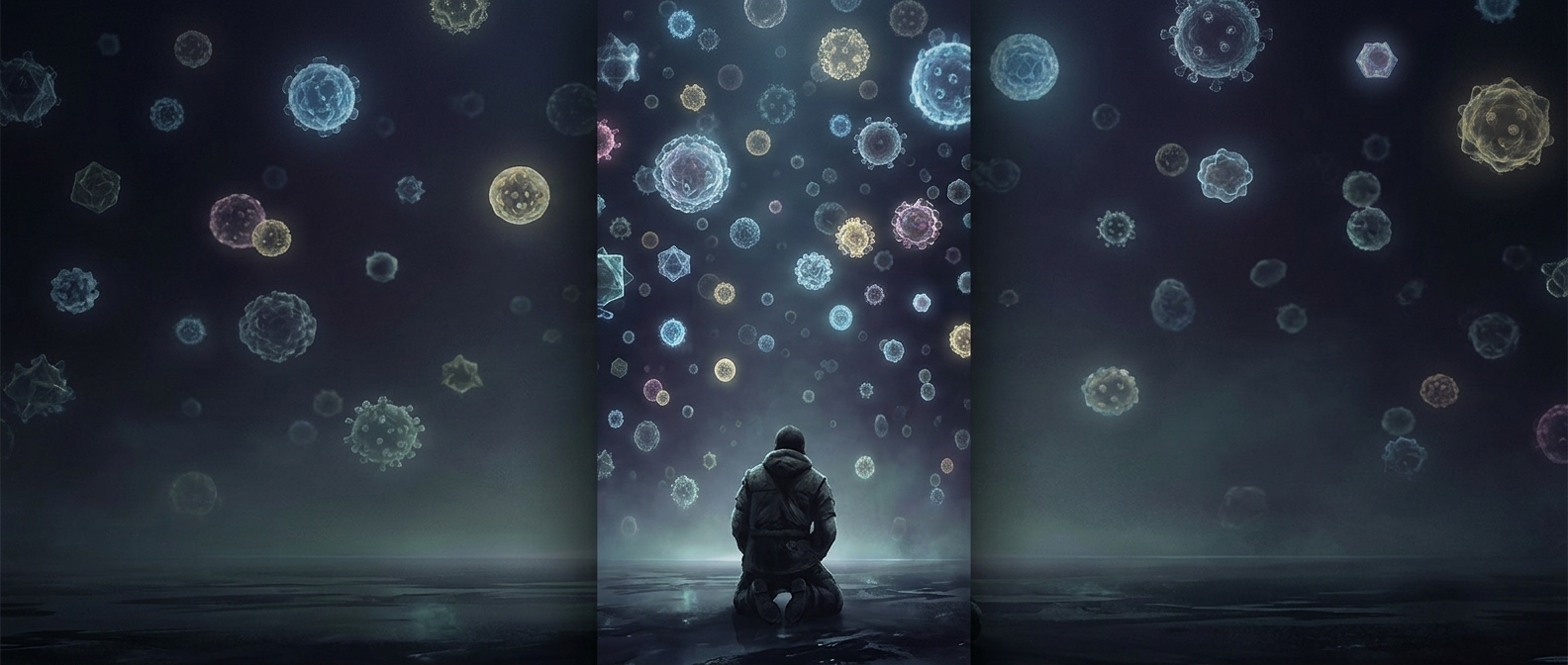
After entering the body, herpes simplex virus type 1 (HSV-1) can settle in sensory neurons—the nerve cells that carry information such as touch and pain from the face. It travels along a nerve to a cluster of nerve-cell bodies, often near the base of the brain, and keeps its genetic material inside a cell. In this dormant state, it makes very few viral components, so it is not actively producing the virus that causes a visible sore.
The virus is hidden from view, but the infected nerve cell remains in the body. That is why a cold sore can return long after the first outbreak, even when the skin looked normal in between.
From dormancy to a visible sore
Dormancy is not a permanent lock. Changes in the body—including stress or ultraviolet light from strong sun exposure—can help shift HSV-1 back into an active state. New virus particles are made in the nerve cell and move down the nerve toward the skin. There, infection and inflammation can produce the familiar tingling, blistering, and crusting of a cold sore.
The nerve pathway helps explain why recurrences often appear in roughly the same area: the virus is traveling back along a route that serves a particular patch of skin. The trigger may make reactivation more likely, but it does not mean every episode has an obvious cause.
Why the virus can return
The immune system can suppress HSV-1 and help heal an outbreak, but it generally does not remove the dormant viral material from the nerve cells. Treatment can shorten or reduce outbreaks, especially when started early, yet it does not clear the virus from those cells. A healed lip therefore marks the end of a visible episode—not necessarily the end of the infection.