Why soap needs time to work across your hands
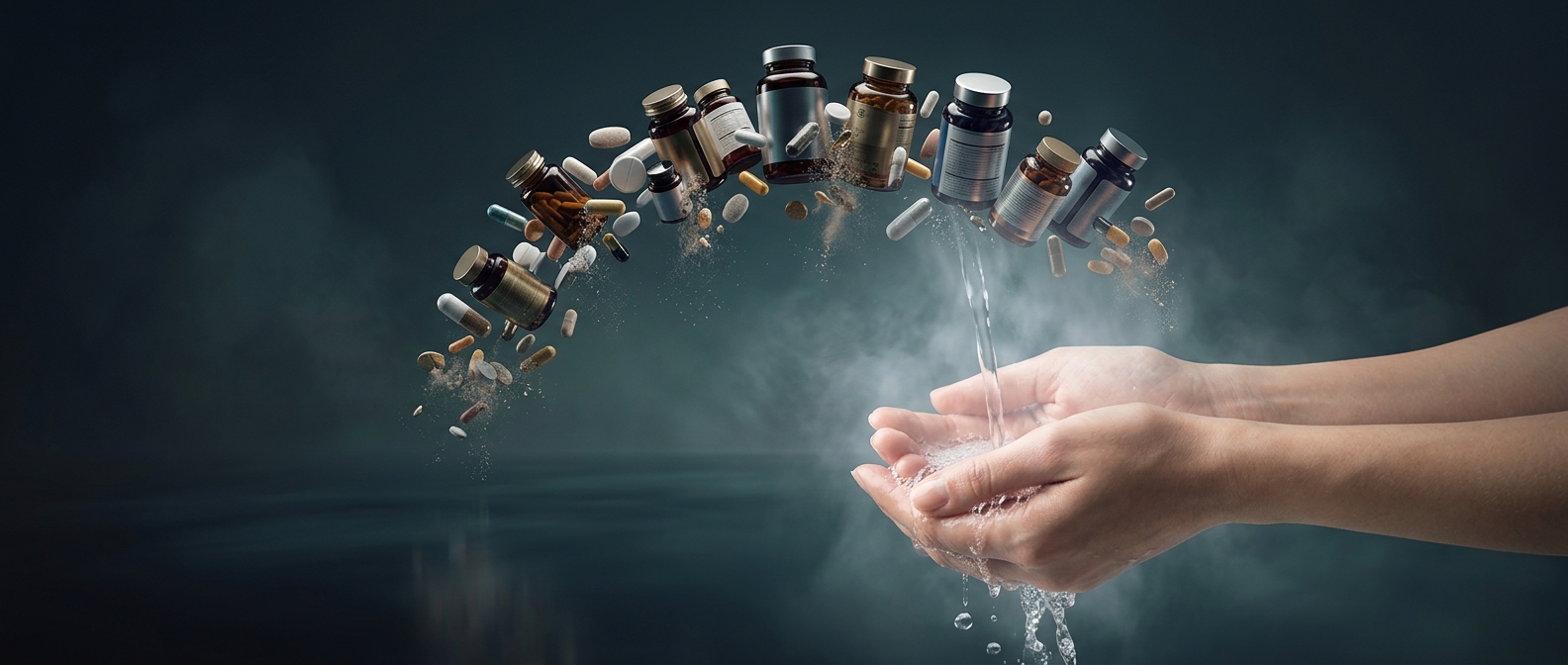
Hands pick up microbes and grime from surfaces, food, and other people. Soap helps loosen oily material that can hold them against the skin; water alone may not remove it as effectively. But soap cannot help much if it never reaches the places where dirt tends to remain.
Rubbing spreads soap and friction over the hand’s uneven surface. The spaces between fingers, fingertips, nail edges, and thumbs are easy to miss when washing is rushed. Those small gaps matter because hands can carry microbes to the mouth, nose, eyes, food, or another person.
Twenty seconds is a coverage window
The time is not a biological switch that makes washing suddenly work at second 20. It gives you enough time to work soap over all hand surfaces rather than briefly wetting your palms. A useful approach is to rub palms together, clean the backs of both hands, weave between the fingers, and pay deliberate attention to thumbs and fingertips.
Then rinse. Water carries away soap along with the material it has loosened and the friction has dislodged. If you stop before rinsing, the washing process is incomplete; if you skip thorough rubbing, the rinse may leave behind what was tucked into a missed spot.
How a small routine interrupts spread
The payoff comes from breaking a chain: contaminated hands touch a face, a meal, or another person, and microbes get a new route to travel. Washing does not make hands sterile, but removing contamination reduces what they can pass along. The twenty seconds are useful because they turn an easy-to-rush gesture into a repeatable sequence—with attention paid to the thumbs and fingertips as well as the obvious palm surfaces.