A dark surface beneath a pale coat
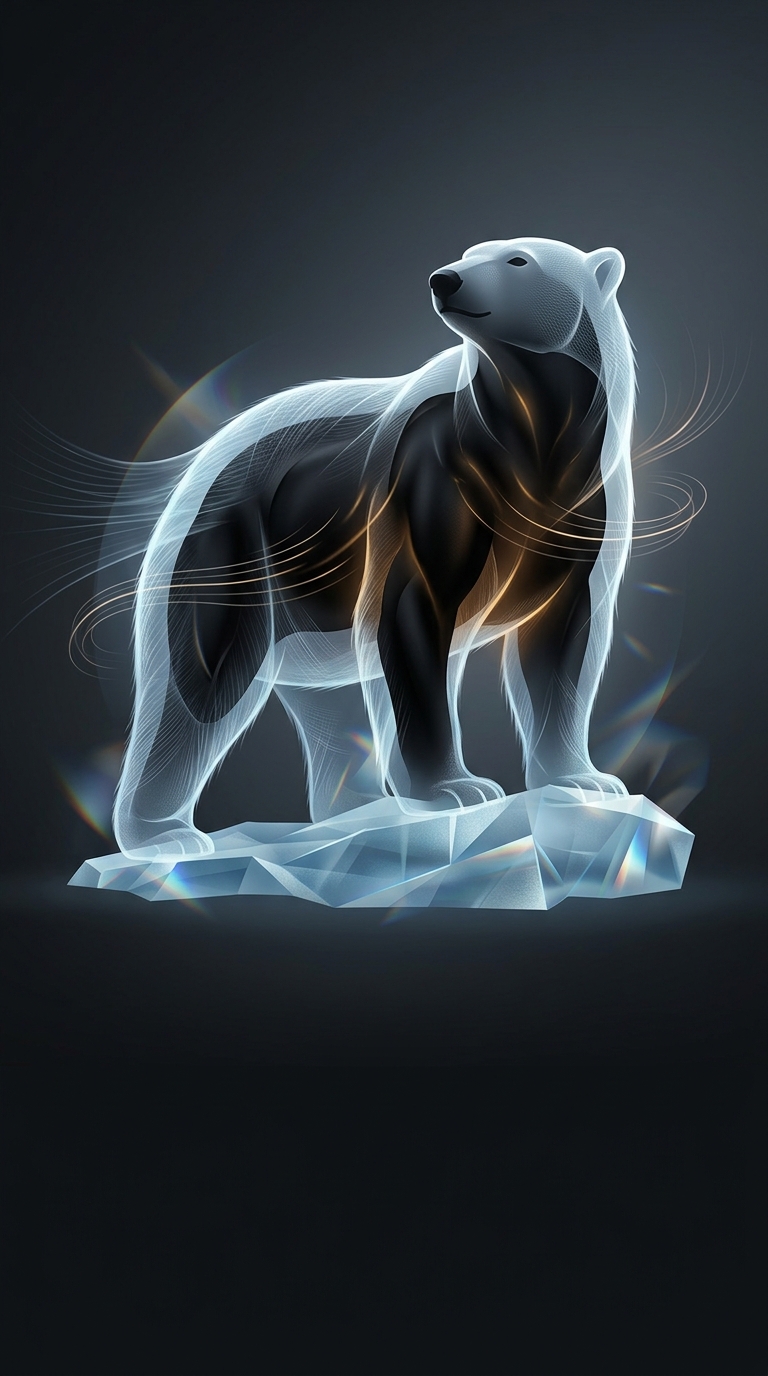
A polar bear’s fur is not white in the way a snowflake is. Each hair is largely unpigmented and translucent, so light can enter it and scatter in many directions. The scattered light makes the coat appear white to our eyes, much as tiny droplets make a cloud look bright. The hairs are not hollow tubes that funnel sunlight to the skin; their optical effects are more complicated, and how much light reaches the skin depends on conditions such as the coat’s thickness and the sun’s angle.
Beneath that fur, the skin is black. Dark surfaces absorb a broad range of visible light more readily than pale ones, converting some of the light that reaches them into heat. But the fur also reflects and scatters much of the incoming light, so it is not a simple solar-collection system that captures every ray.
Insulation matters more than a sunbeam
The coat’s most dependable job is limiting heat loss. Dense fur traps air, and trapped air conducts heat poorly. This layer works alongside the bear’s substantial fat, helping keep warmth inside in an environment where wind and cold can rapidly draw it away. The black skin may help absorb solar energy, but it does not replace insulation—and sunlight alone cannot explain how a polar bear stays warm.
That balance is useful because a bear’s surroundings can be bright with snow yet intensely cold. Its coat appears to belong to the landscape, while the dark skin beneath it can absorb light that gets through. The striking trick is not a white fur coat acting like a solar panel; it is a well-insulated animal with dark skin underneath a coat that scatters light.