How the Grid Heats a Large Pane Evenly
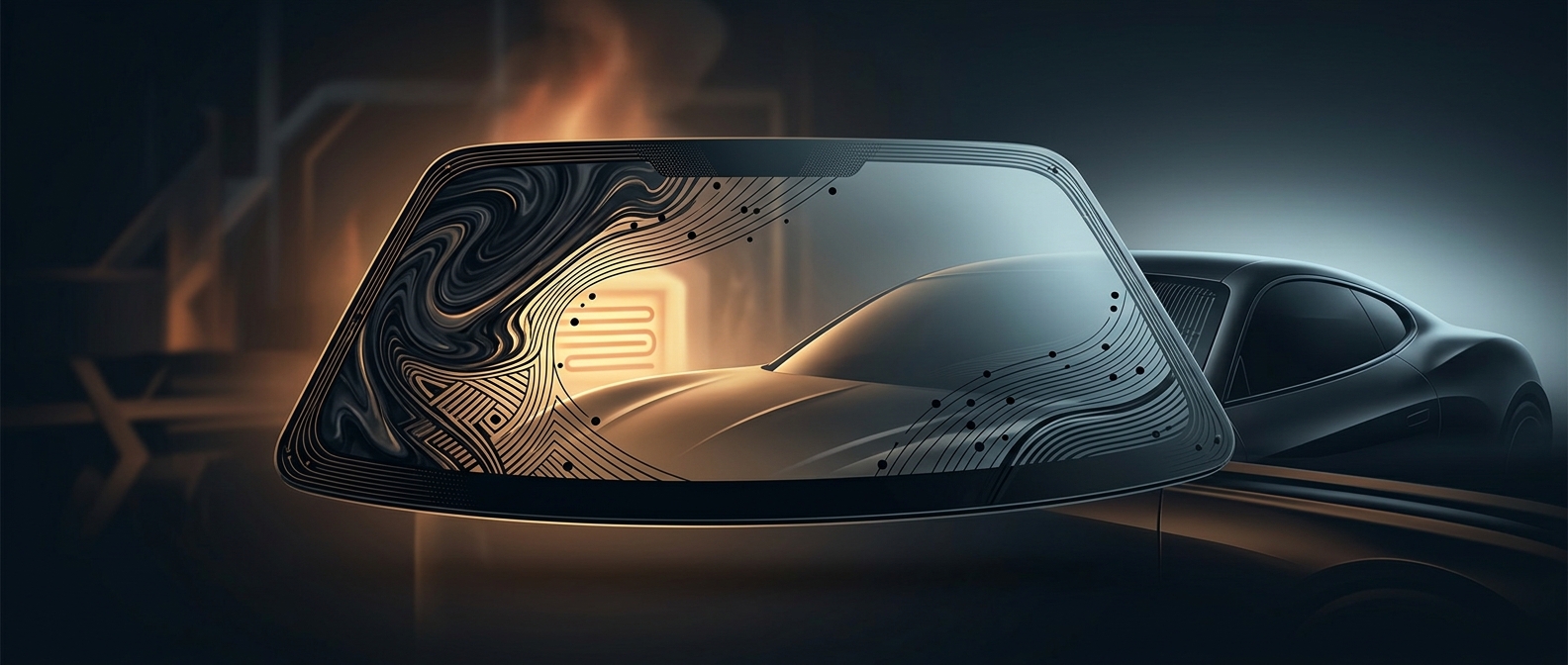
The printed lines are part of a complete electrical circuit. Wider conductive strips at the edges of the glass—called bus bars—feed current across the narrow traces, which connect the two sides. Because the traces resist the flow of electricity, they warm up; spread across the pane, they clear a broad viewing area rather than concentrating heat in one spot.
The grid is divided into many parallel paths. That arrangement helps the window keep heating if one trace is damaged: a break can disable the section containing it, but it does not necessarily stop current through every other line.
Why the Lines Need Protection
The traces are thin so they can cover the glass without blocking much of the driver’s view, but that also makes them vulnerable. Scraping, abrasive cleaning, or damage to the inner glass surface can cut a line. A small break may leave a conspicuous uncleared stripe, since the gap interrupts current through that trace.
The defroster is therefore a compromise between visibility and durability: the conductors must be narrow enough to see through, yet robust enough to survive ordinary use. Unlike warm air directed at the windshield, this system heats the rear glass itself, where airflow from the cabin may not clear frost quickly or evenly. The result is a set of almost invisible circuits whose condition can determine whether the rear view clears in stripes—or across the whole window.