Why a platform can feel like a moving crowd
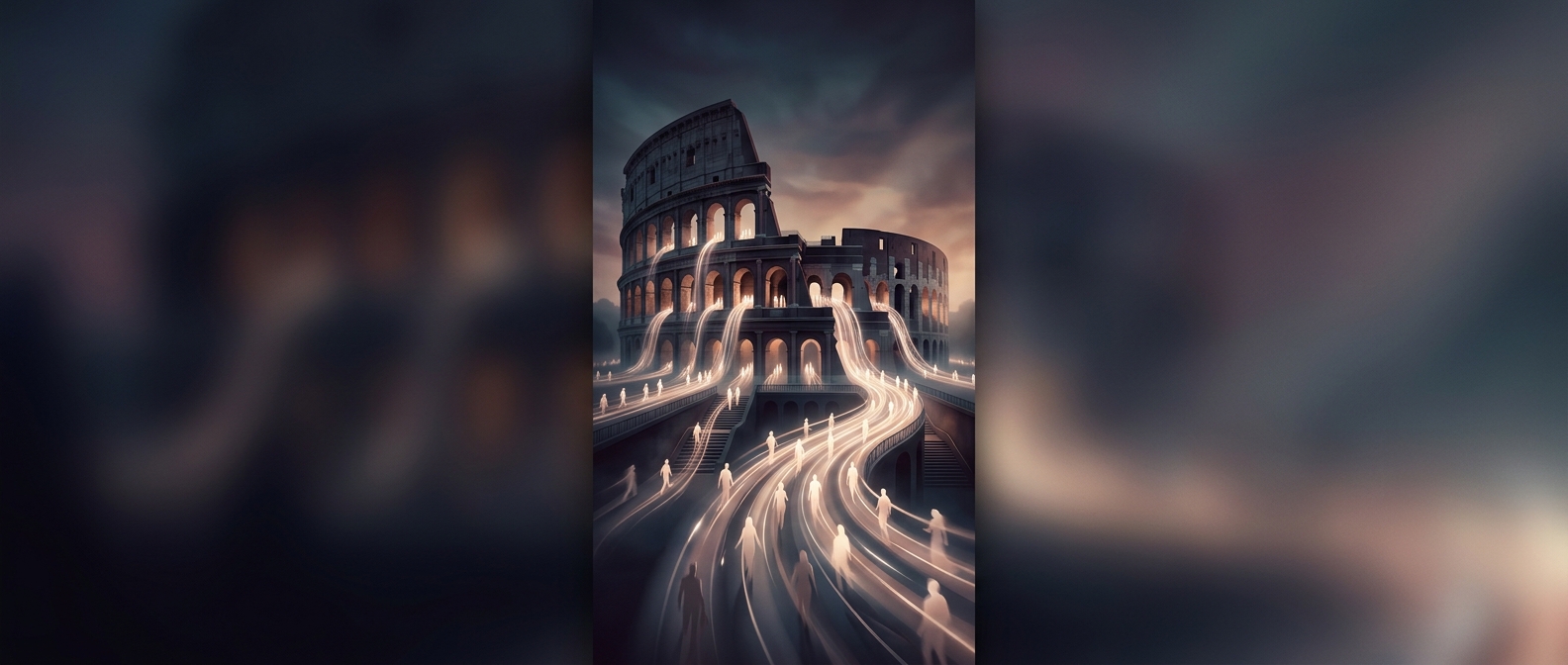
At rush hour, the strain comes less from any one passenger than from many people trying to use the same narrow space at once. A train door funnels a broad platform crowd into a much smaller opening, while people leaving the train need that same opening in the opposite direction. Each person adjusts to the bodies immediately around them, but those small sidesteps and stops ripple outward through the crowd.
That ripple can make movement feel less like walking and more like being carried along. In a dense crowd, a person may have little room to choose a path or recover balance when someone nearby changes direction. The pressure is especially noticeable where streams meet: near doors, stairs, and the edges of queues.
The bottleneck is the real contest
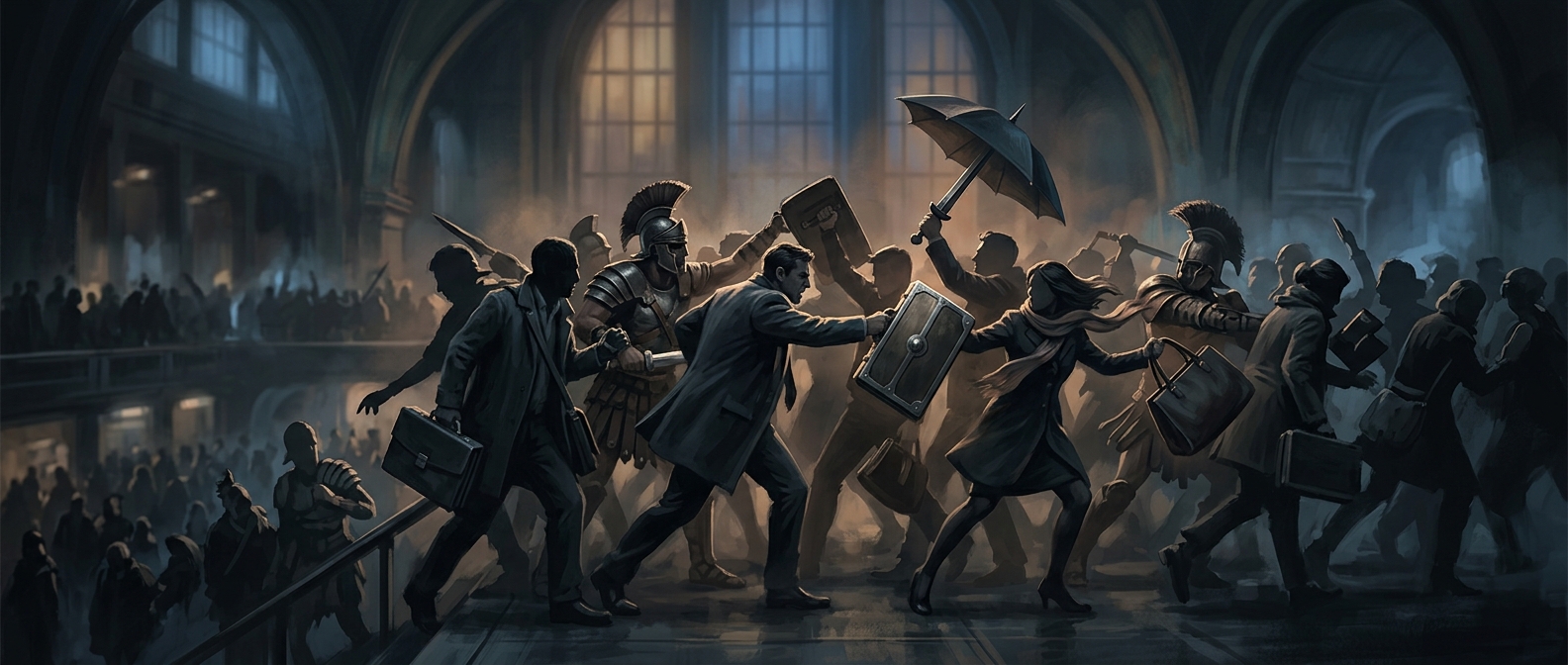
Boarding depends on space opening up. If passengers waiting to board press toward the doors before people inside have stepped out, the opposing flows obstruct each other. The result is not simply slower boarding: it can create sudden shoves as people try to fill gaps that disappear almost immediately.
Leaving a clear path for exiting passengers helps the two streams take turns rather than collide. For an individual, moving with the flow and avoiding abrupt stops can reduce the chance of being bumped; if the crowd becomes difficult to control, moving toward an open area is safer than pushing deeper into the bottleneck.
The platform’s apparent disorder has a physical cause: a narrow doorway is being asked to serve two crowds at once. A little space at the doors can matter more than a faster rush to board.