Why Chess Troubled Medieval Churchmen
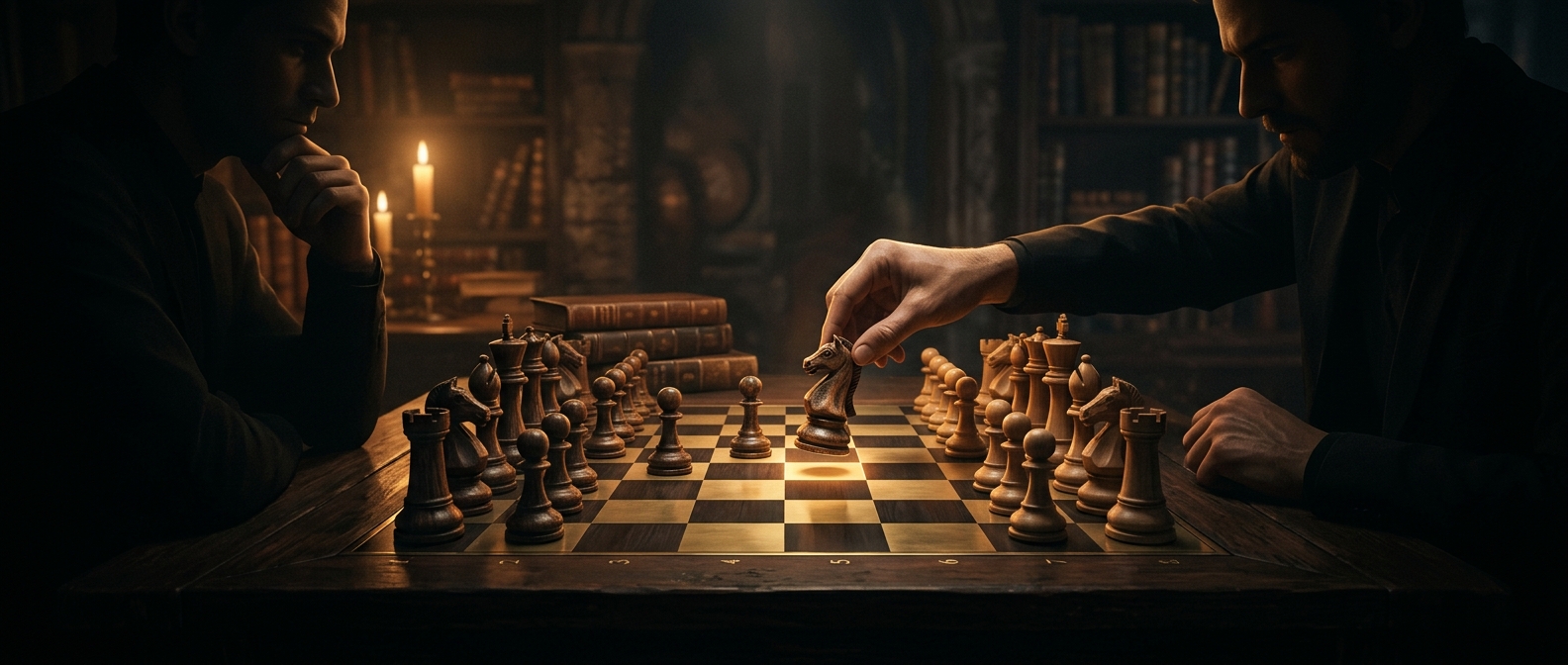
Chess could look like more than a harmless contest of strategy in a society where games of chance were closely associated with wagering, wasted time, and disorder. The distinction between a thoughtful board game and gambling was not always reassuring to religious critics: players could stake money, neglect their duties, or become absorbed in play. For churchmen concerned with clerical discipline, even a game without dice could seem to encourage the habits they wanted to restrain.
In the 11th century, the Italian church reformer Peter Damian rebuked a bishop for playing chess. His complaint belongs to a broader effort to regulate clergy’s conduct, not to a single, universal campaign against the game. Religious authorities’ views varied across places and periods, and condemnation did not prevent people from continuing to play.
A Board Game Caught in a Moral Argument
The game’s pieces and rules mattered less to critics than what play represented: time spent on amusement rather than prayer or work, and a pastime that might slide into betting. That helps explain the severity of the language. The objection was not that moving carved pieces possessed some special power, but that chess could be grouped with activities seen as distracting, worldly, or morally risky.
The contrast with chess’s later reputation is striking. A game now associated with quiet concentration once drew clerical denunciations because it occupied a disputed space between respectable recreation and suspect indulgence. The same board could be a test of strategy to its players and, to a reform-minded churchman, a warning about how easily leisure could become excess.