The weapon changes the movement rule
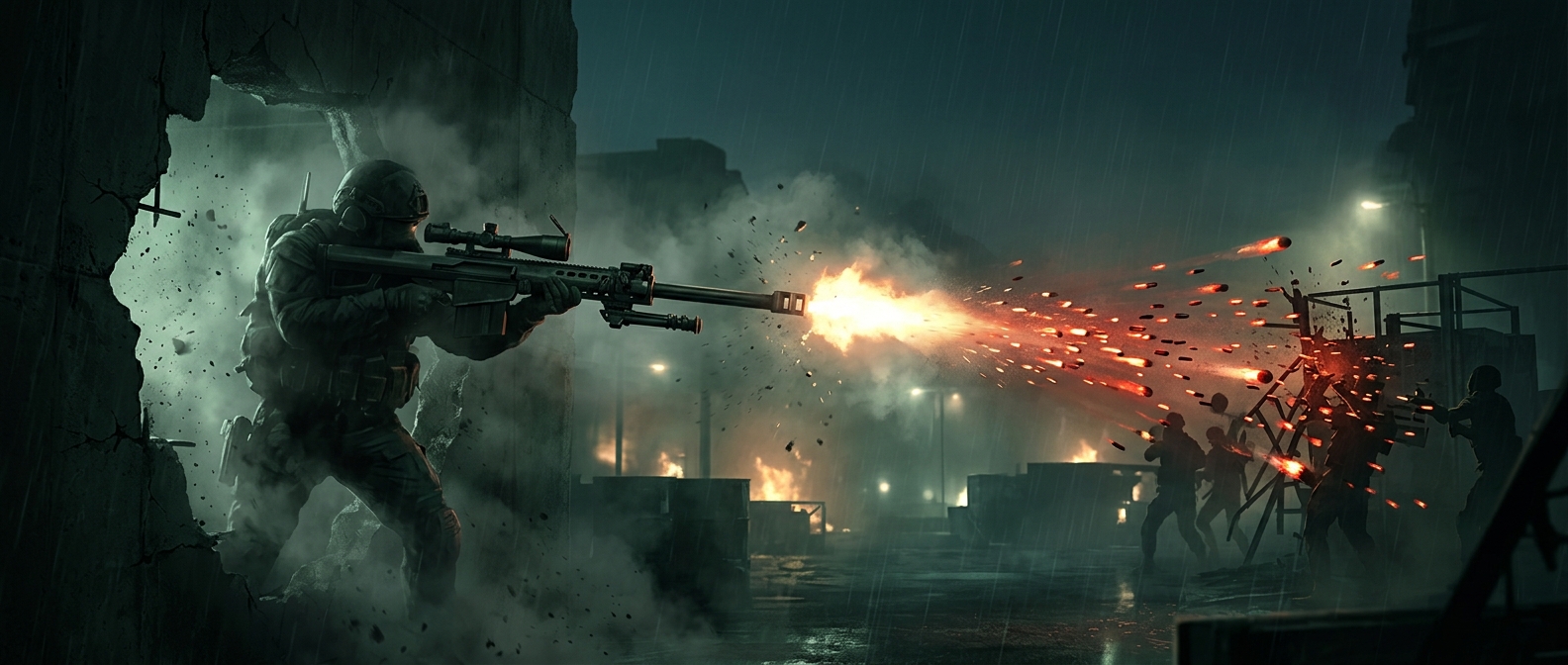
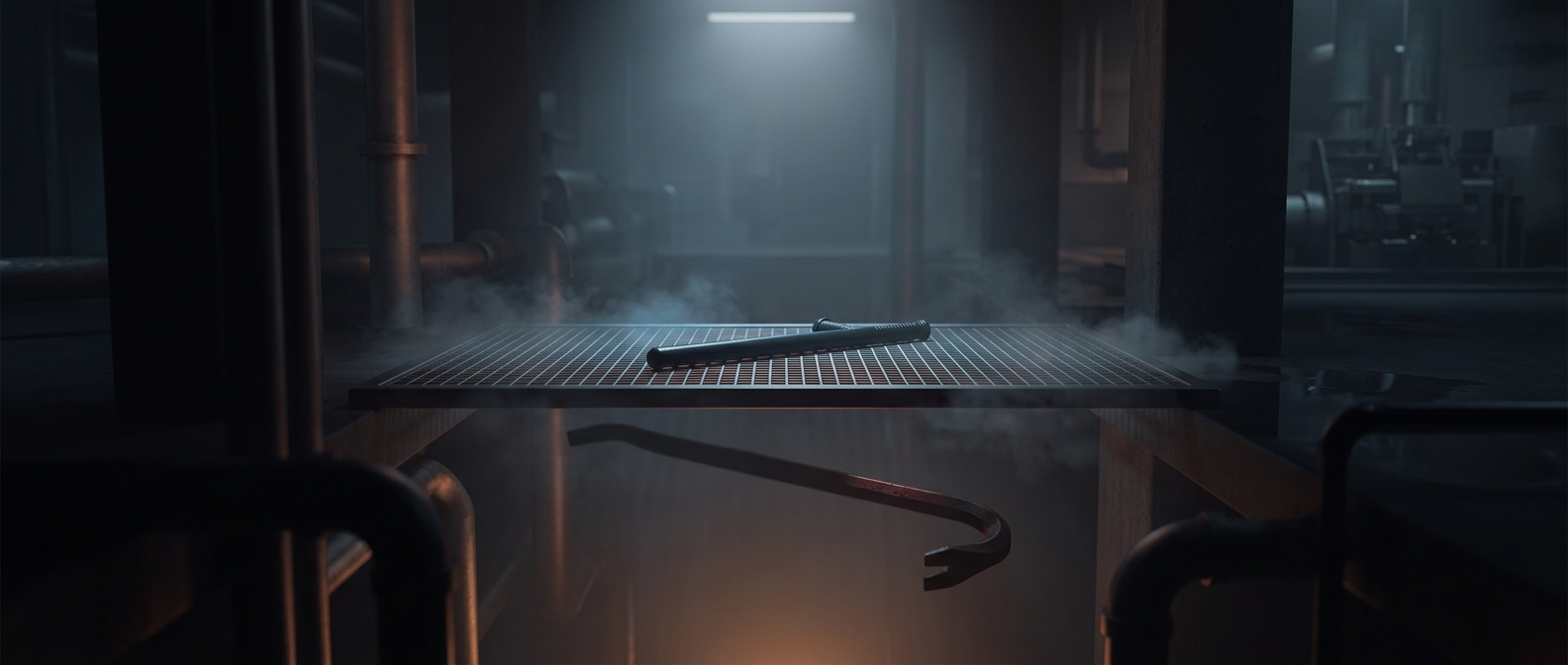
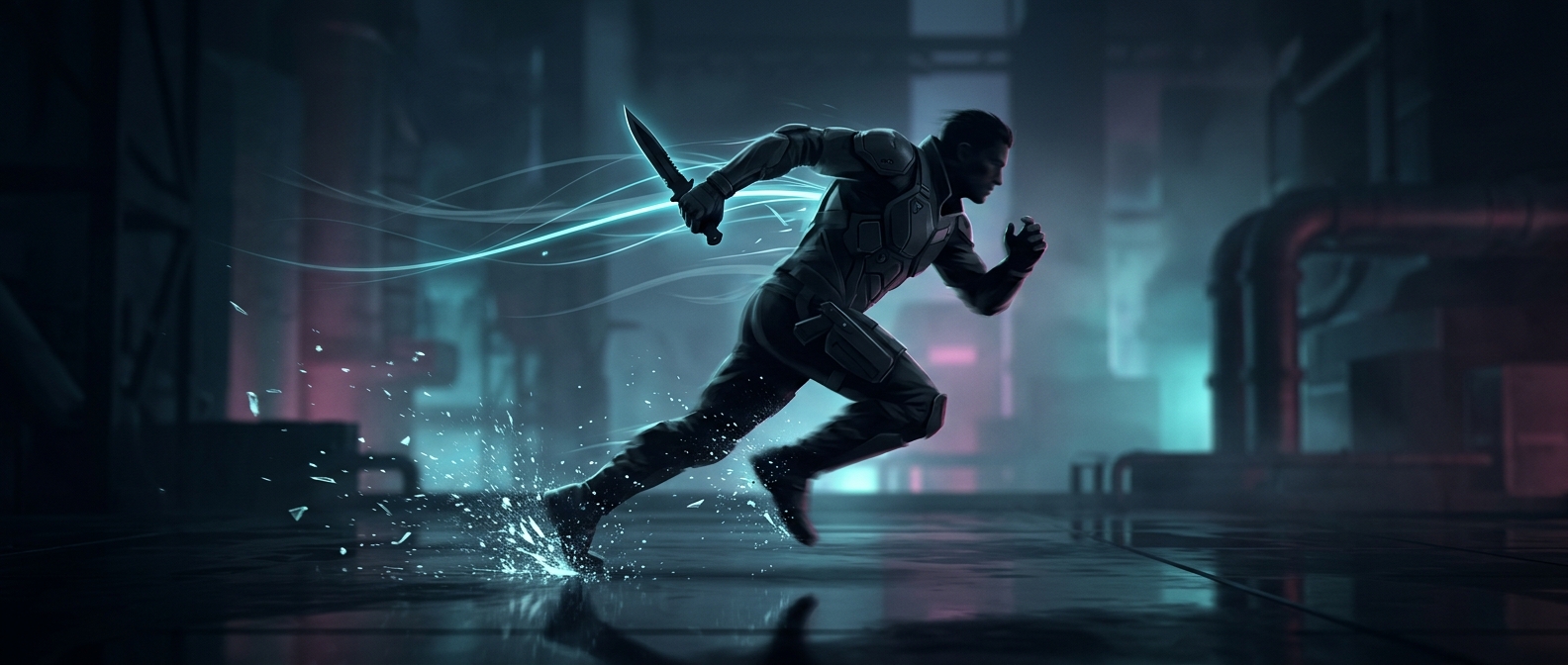
In some games, running speed is tied to the item a character has equipped. A rifle may impose a small movement penalty, while a knife or other light weapon allows the character to move closer to the game’s speed limit. The blade is not helping the character cut through the air; the game is assigning different movement values to different equipment.
That rule can make a heavy weapon feel heavy without requiring a detailed simulation of its mass. The game simply turns the tradeoff into something players can feel: carry the rifle for its reach and firepower, or switch to a lighter weapon to move faster.
Speed becomes a tactical choice
A knife is useful at close range but offers little protection against an opponent with a gun. Its extra speed can help a player cross open ground, reposition, or reach a fight sooner—but only if the player accepts the danger of being caught without the rifle ready. Switching back takes time in many games, so the faster movement may come with a vulnerable moment as well.
The result is a compact design decision with a visible consequence. Players do not need to calculate weight or aerodynamics; they learn that equipment affects mobility by watching how quickly they cross the map. The knife’s advantage is not that it makes a character more athletic—it is that the game makes lighter gear a deliberate exchange of combat power for speed.