A chair shot is a planned piece of stagecraft
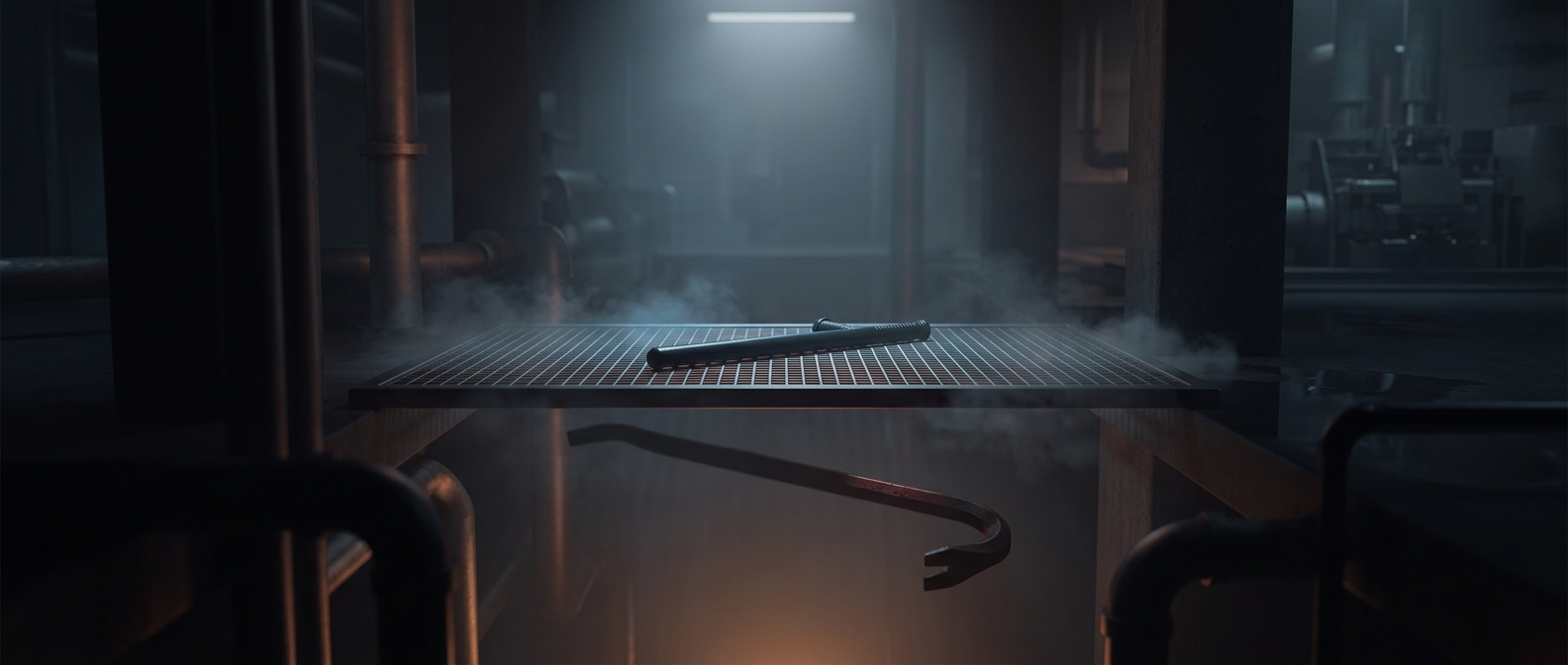
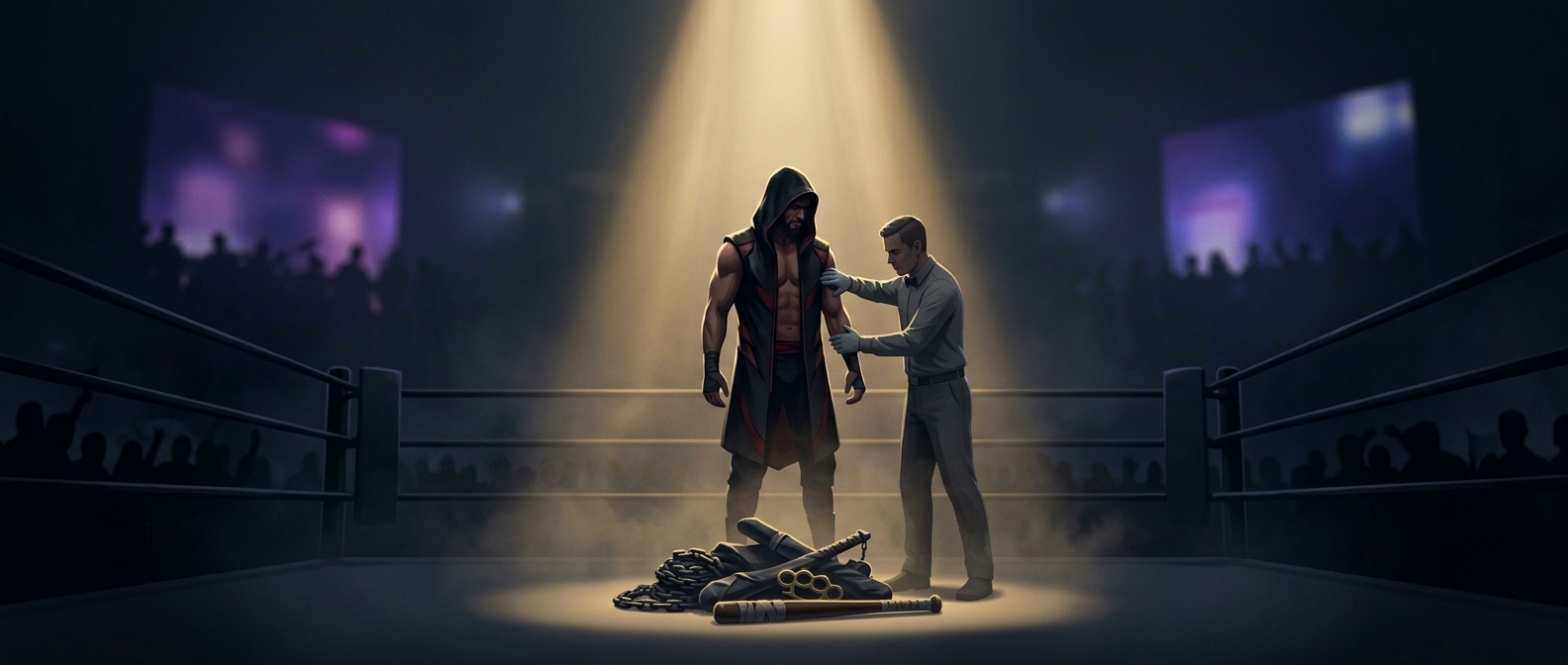
A metal chair appears to be an ordinary object grabbed in the heat of a match. In a wrestling production, though, the chair is part of the performance: it has to look convincing on camera while behaving predictably for the performers. That is why it can be checked and prepared well before it reaches the ring, then kept out of sight until the scene calls for it.
Preparation helps the crew know what the chair will do when it is swung or struck. A prop may be weakened or otherwise made more manageable, but the goal is not simply to make it collapse. It must still look like a chair, create a sharp visual beat, and do so consistently enough for the performers to rehearse around it.
The impact is built from timing and perception
The apparent spontaneity comes from choreography. The person swinging the chair and the wrestler receiving the blow coordinate the angle, distance, and timing. The recipient can turn or position their body to shape what the audience sees, while the chair’s movement and sound help sell the force. From the seats or on a screen, those elements combine into an impact that can seem sudden and uncontrolled.
That predictability matters because a live match leaves little room to pause and inspect a prop once the action is underway. If a chair bends unexpectedly, catches on something, or behaves differently than rehearsed, it can disrupt the sequence and increase risk. Advance preparation lets performers plan around a known object—and lets the chair remain concealed until the dramatic moment.
So the surprise belongs to the audience, not the crew. What looks like an improvised weapon is better understood as a carefully timed prop, prepared to make a dangerous-looking moment readable and repeatable.