Why a Crowbar Fit Gordon Freeman Better
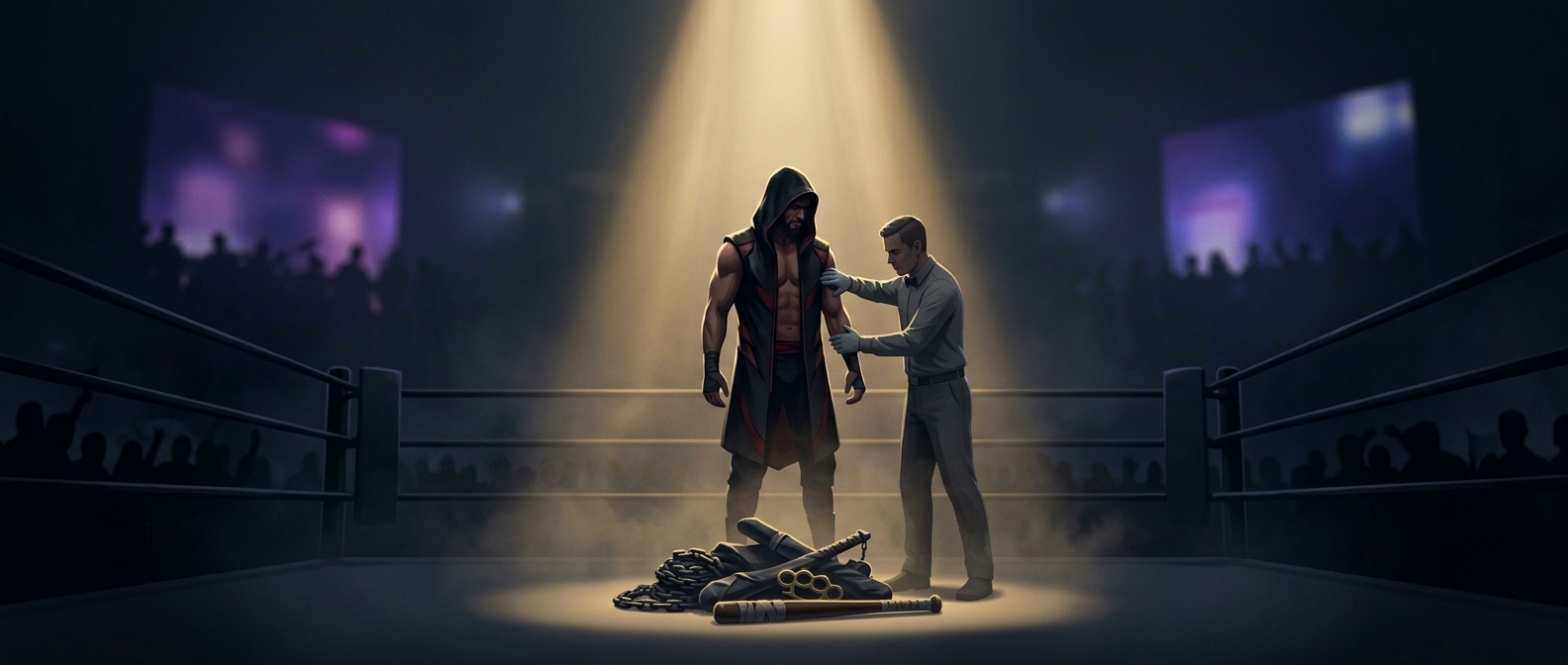
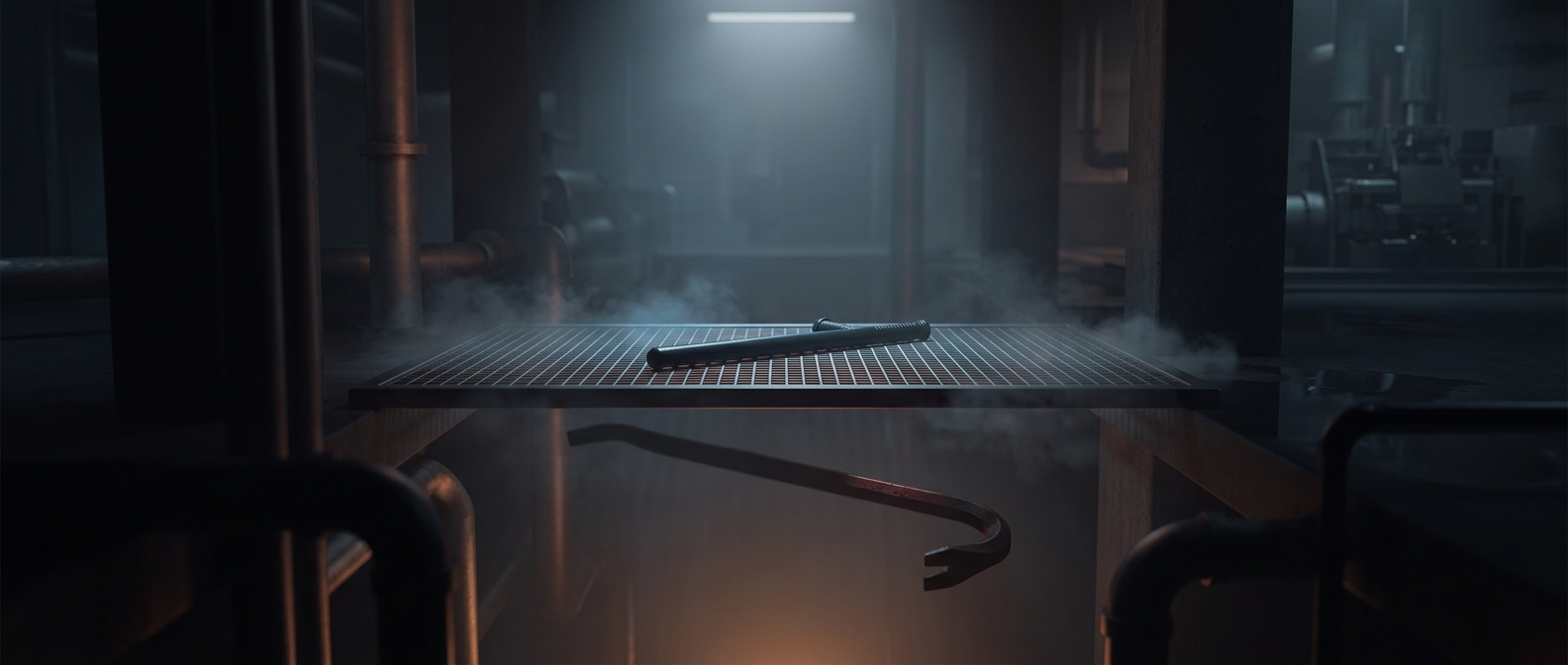
A police baton would have made Gordon Freeman look equipped for a fight. A crowbar makes him look like someone who has been forced into one.
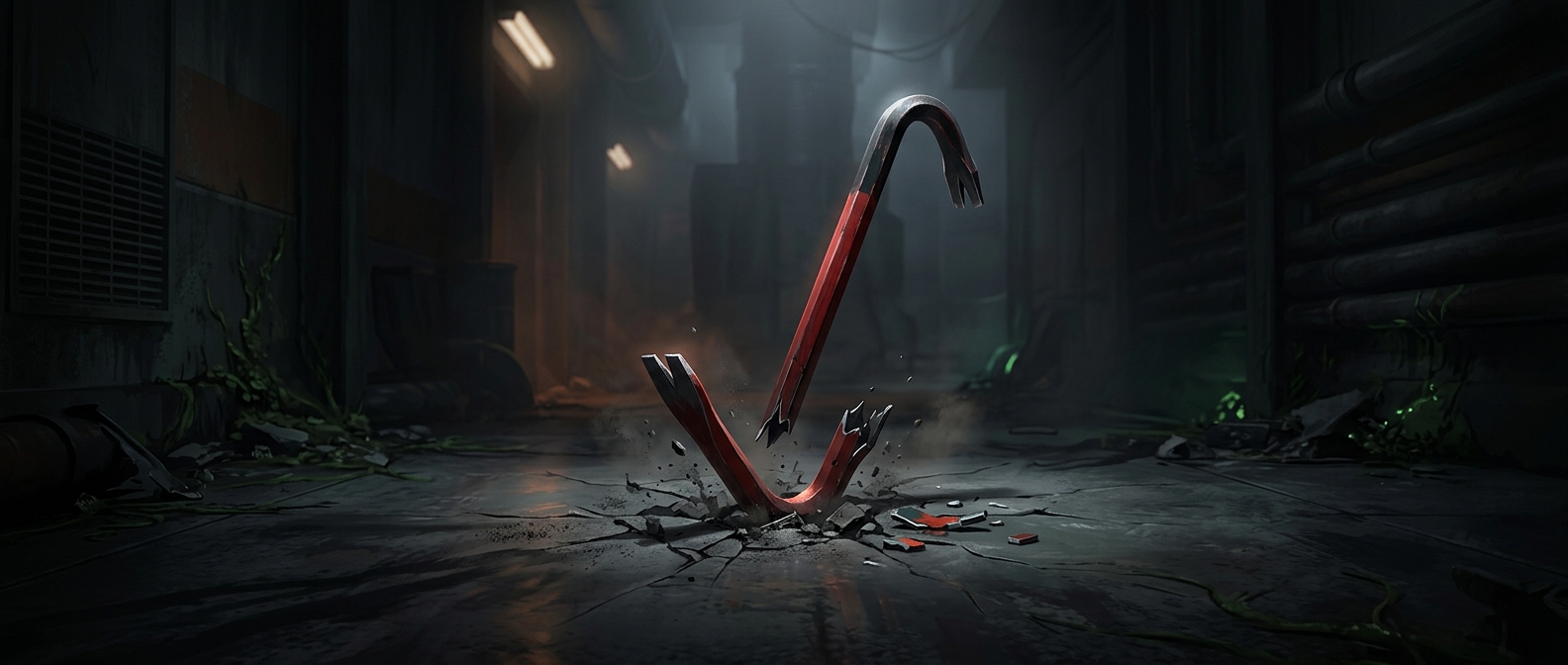
That distinction mattered in Half-Life. Freeman is a scientist caught in an alien disaster, not a trained soldier arriving with standard-issue weapons. Valve’s choice of a familiar hardware-store tool kept the character’s predicament visible: he is improvising with whatever is at hand. The crowbar feels plausible in a laboratory or industrial complex, yet unmistakably out of place as a weapon.
A Tool That Became a Character Detail
The crowbar also gives the player a simple way to understand Freeman’s role. It is not just something to swing at an enemy; it is a tool repurposed for survival. That double use connects the game’s environments to its combat: objects and spaces that might otherwise be background become things the player can act on.
A baton would have carried a more specific association with law enforcement and control. The crowbar instead suggests access, force, and improvisation. Its ordinary, practical shape helped make the contrast memorable: a quiet scientist holding a tool that belongs in a toolbox, facing a crisis far beyond ordinary work.
That is why the crowbar could become more than an opening weapon. It condensed Half-Life’s central image into one object: not a superhero’s signature armament, but a piece of everyday equipment turned into a means of pushing back.