Why the crowbar had to stay dependable
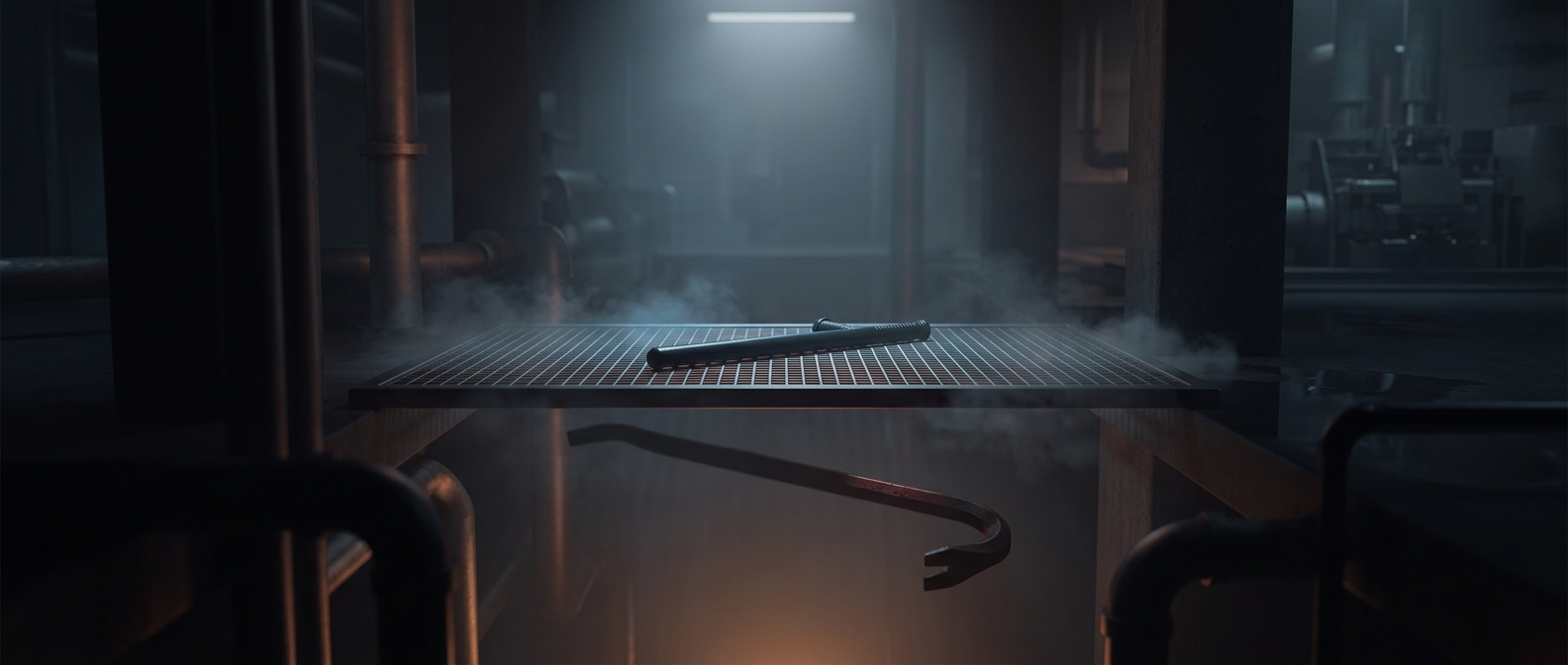
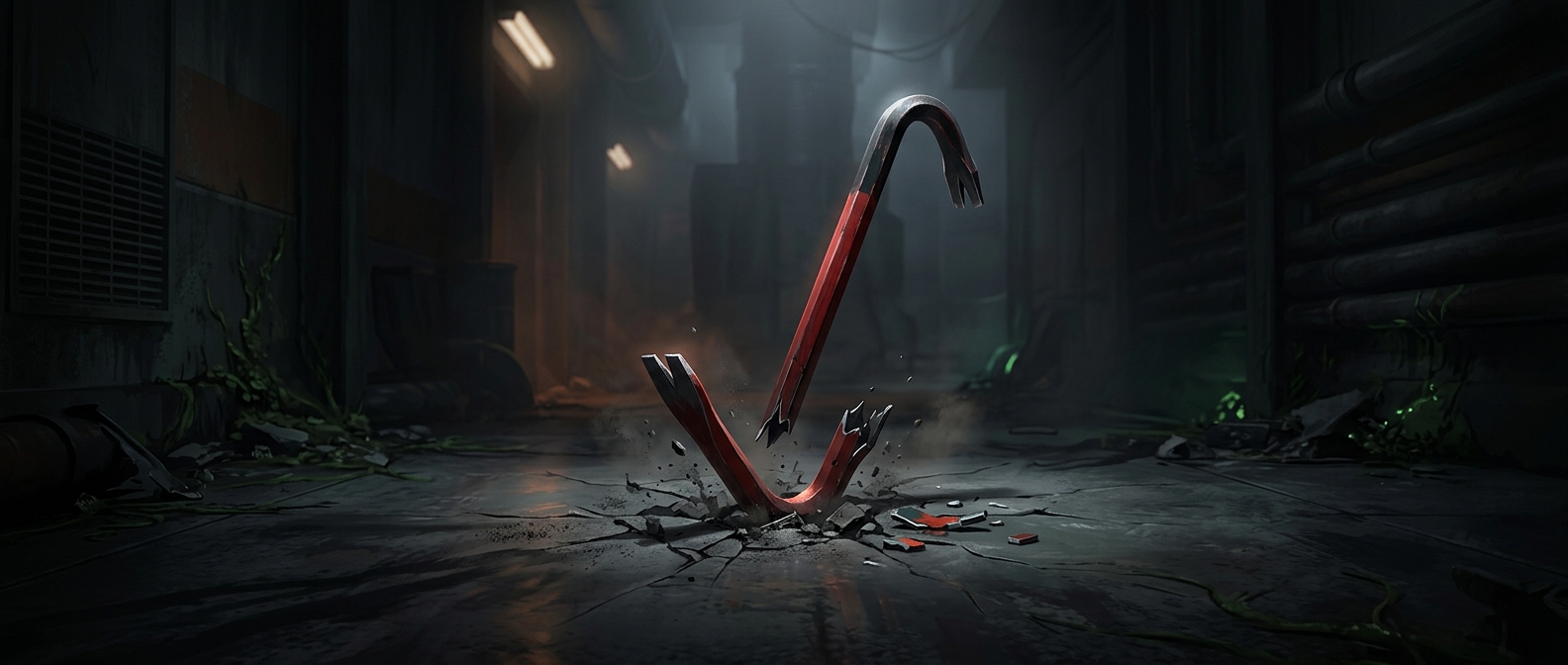
A breakable crowbar would have added another survival resource to manage: every swing could bring the player closer to losing a weapon they could not readily replace. That kind of risk can make combat tense, but it works only when players have a fair alternative. Testers saw the crowbar as their dependable answer to headcrabs, the small creatures that attack at close range. If it might fail, the tool stopped feeling like a reliable defense and started feeling like a liability.
A weapon is also a promise
In a first-person game, a weapon teaches players what they can count on. The crowbar was more than a way to deal damage; it was a basic option when ammunition or a firearm was not available. Making it breakable would have changed the meaning of every encounter: players might hesitate to use it, conserve it for later, or face a threat with no trusted response.
That could create interesting scarcity, but it would also make the game’s simplest defense uncertain. The developers’ decision reflects a useful design distinction: a resource can be scarce without making the player’s fallback tool unreliable. By dropping the durability idea, they preserved the crowbar as a consistent part of the player’s combat vocabulary—something to reach for when a headcrab closed the distance.