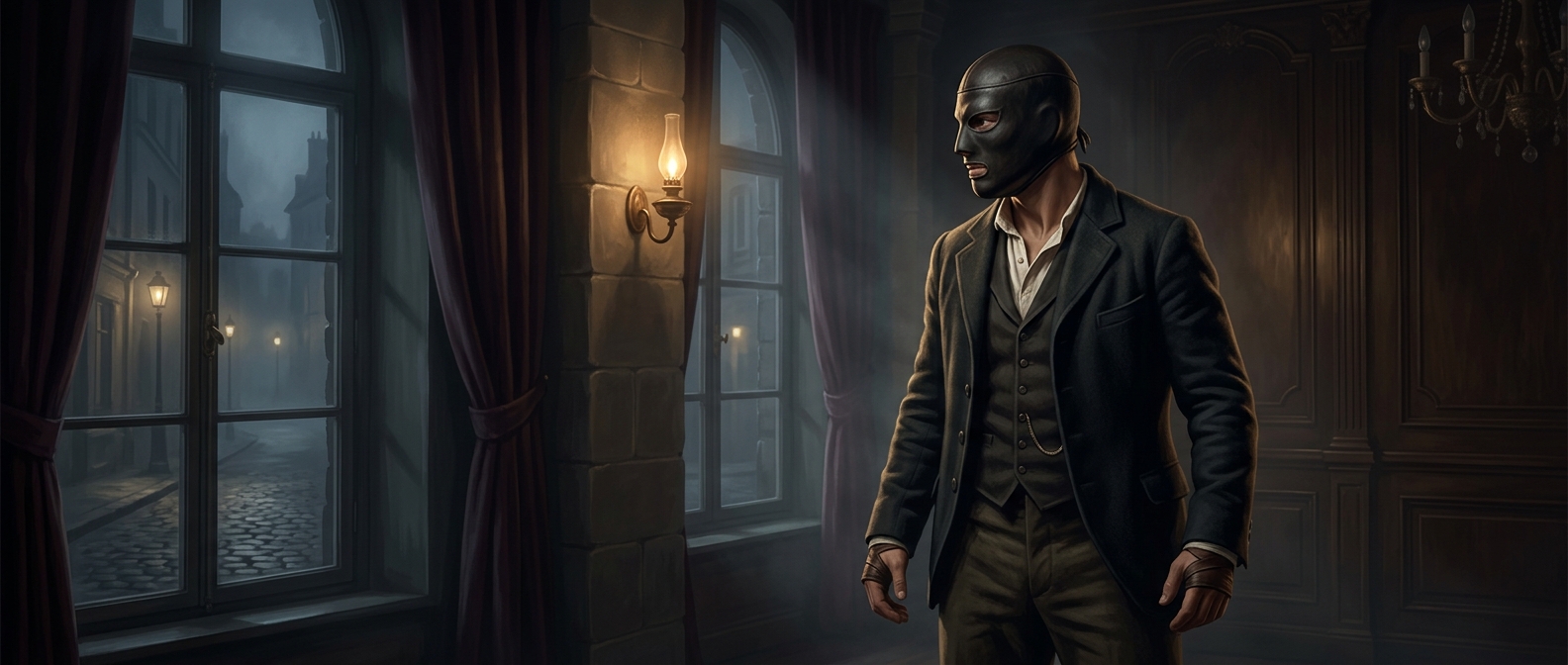
A Hood Turned a Wrestling Match Into a Mystery
A wrestler’s hood did more than hide his face. It gave spectators a question to follow: Who was this man beneath the fabric? That uncertainty could make an ordinary contest feel like a performance, with the wrestler’s identity becoming part of the attraction alongside his strength and technique.
The disguise also changed the stakes for the performer. In a public match, losing could mean more than being thrown or pinned; it could feel like a personal humiliation in front of a crowd. Concealing his face offered a measure of protection if he lost, while allowing him to appear again without the defeat being attached so visibly to his everyday identity.
The Persona Outlasted the Risk
That combination—concealment, suspense, and a more theatrical role—helped make the masked wrestler memorable. The hood did not determine who would win, but it gave the audience another reason to watch: the contest was about the hidden person as well as the visible athlete. Masked wrestling’s appeal began, in part, with that simple stagecraft: a face covered, a reputation shielded, and a mystery left open.