Why Aogashima’s ferry can’t simply wait out the waves
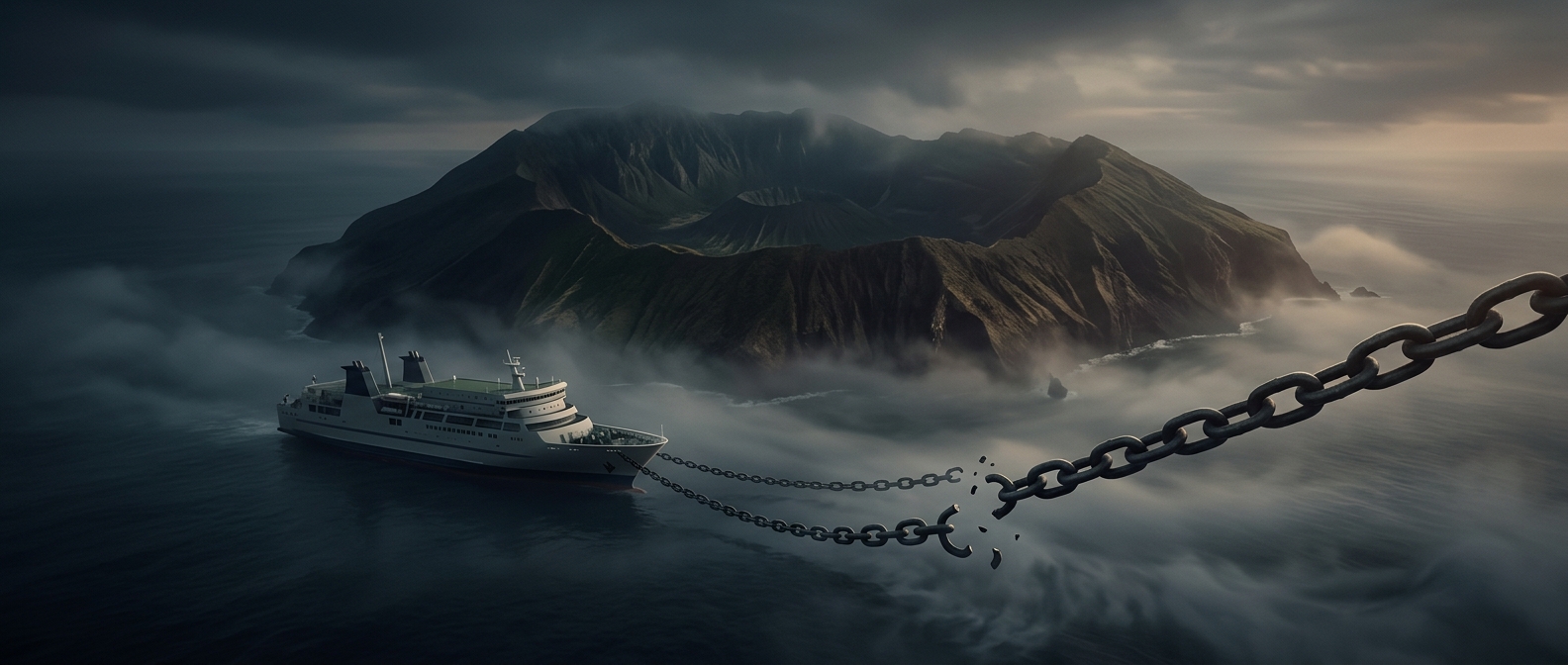
A ferry needs more than open water to reach an island: it needs a safe place to approach, hold position and let people step ashore. Aogashima’s exposed coast offers no sheltered harbor to screen the landing from ocean swell. When waves make that approach unsafe, a scheduled voyage can be canceled even if the boat itself is seaworthy.
That makes the island’s connection to the mainland unusually dependent on conditions at the moment of arrival. A rough crossing is not the only problem; the final maneuver at the dock is the critical one. Sending a vessel toward a landing it cannot safely use would put passengers and crew at risk.
A small backup for a narrow window
The helicopter provides another way to travel, but its nine seats make it a limited substitute rather than a ferry in the air. Public subsidy helps keep that option available, while its small capacity means it cannot move everyone or everything a boat can carry in one trip.
For residents and visitors, the practical consequence is that a timetable is a plan, not a guarantee. A canceled sailing can reshape the day’s travel, and the backup can ease the disruption without eliminating it. On Aogashima, the coastline itself sets the schedule: the ferry can serve the island only when the sea allows a safe landing.