A bow that gets a response
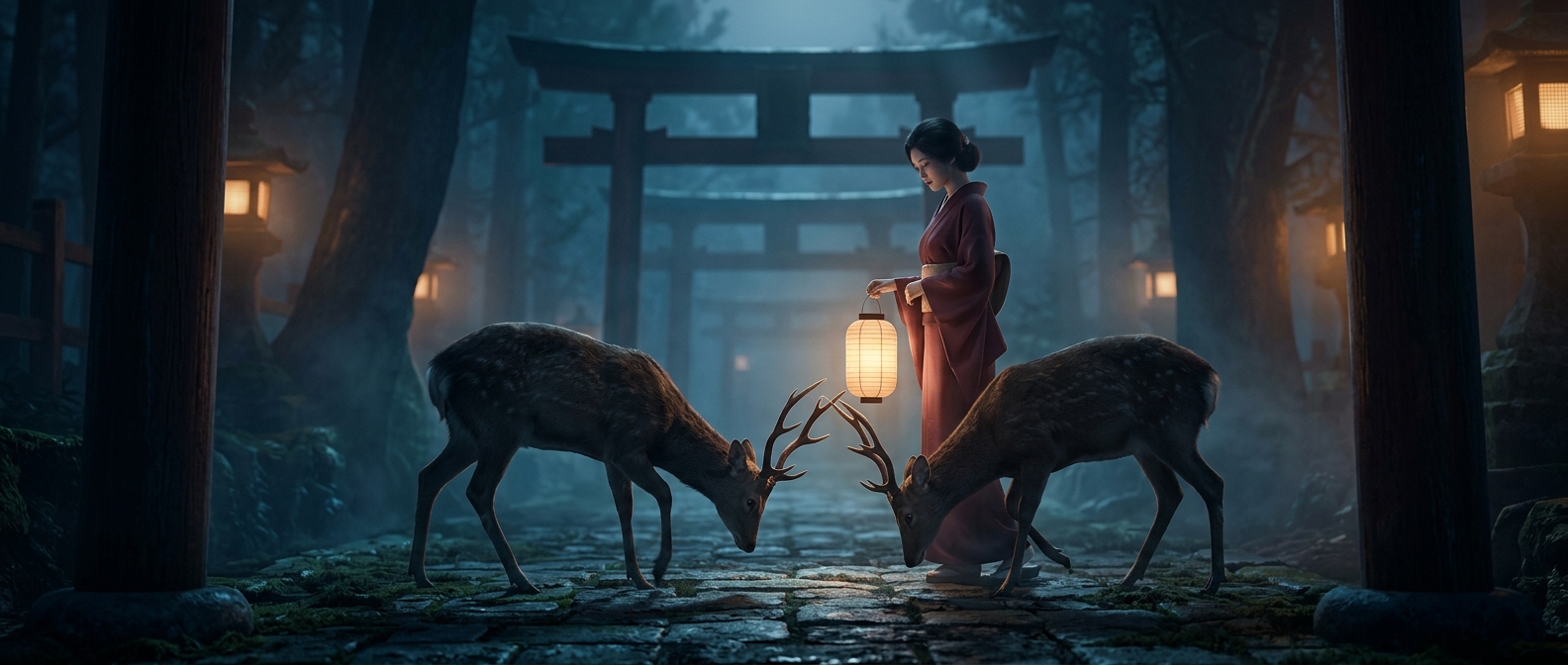
In Nara, a deer’s dip of the head often comes during an exchange: a visitor has a deer cracker, and the deer wants it. When tourists answer the movement by offering food, the deer has a reason to repeat it. The gesture can look like a greeting, but its practical payoff is a snack.
How the habit takes hold
This is a form of learning by consequence. If a movement is followed by a reward, an animal is more likely to try that movement again. Here, the reward is immediate and easy to recognize: a cracker from a person. Visitors who have seen the bow may also be more likely to offer food when they see one, reinforcing the pattern from the other side of the interaction.
That does not mean every deer is deliberately performing a polished trick, or that every dip has the same cause. The familiar bow is a behavior shaped by repeated encounters with people and food. A gesture that began as an ordinary movement can become part of a routine once it reliably attracts attention.
Why the scene feels so human
People naturally read a lowered head as courteous, so the exchange can seem like a miniature act of politeness. But the deer do not need to understand the human meaning of a bow to learn that it works. The charming part is also the practical part: a tourist sees manners, while the deer has learned which movement may bring a cracker.