Why Griefing Can Pay Without Winning
In a multiplayer game, players often share a fragile resource that the rules do not track directly: one another’s attention. A match may score kills, objectives, or survival, but a disruptive player can pursue a different payoff—forcing everyone else to stop playing normally and deal with them.
That exchange is lopsided. Blocking a route or wasting a team’s supplies may take the griefer seconds, while clearing the obstacle, replacing the supplies, or recovering a coordinated strategy costs several players time. If teammates argue in chat or repeatedly chase the offender, the disruption has also claimed their focus. The griefer can feel rewarded even when the scoreboard says they lost.
The Cost Falls on the Whole Team
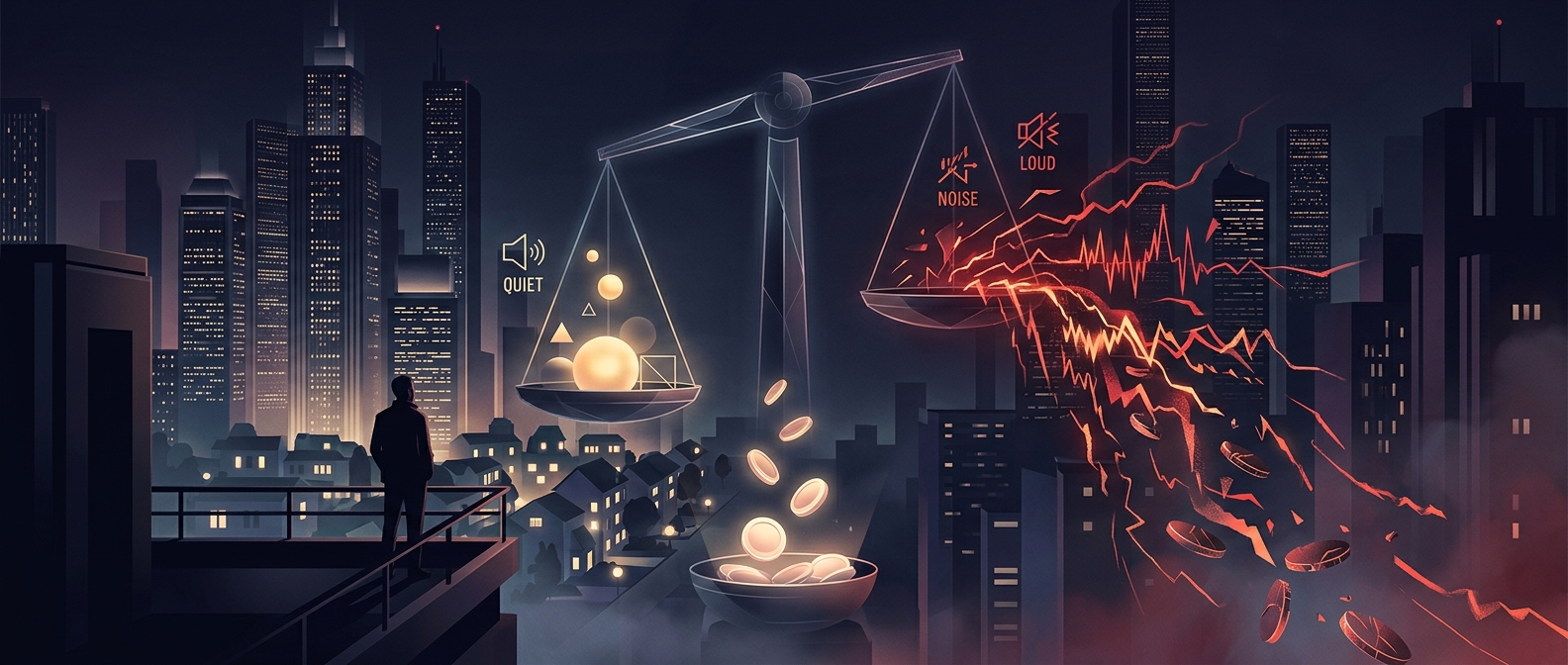
This resembles an economic problem called an externality: someone takes an action, while much of its cost lands on other people. In a team game, one player may gain amusement from disruption while teammates pay in lost progress, a weaker chance of winning, or a ruined session. The game’s ordinary reward system may not register that cost at all.
The imbalance is especially useful to a troll when opponents have few quick ways to respond. If the only available response is to argue, abandon the match, or spend time undoing the damage, each option can give the disruption more attention or impose more cost on the target.
Why the Reaction Matters
This does not mean every mistake or irritating play is deliberate. The distinguishing feature is the pattern of choosing actions for their disruptive effect, rather than for a plausible chance of helping the team.
For other players, the practical implication is that a dramatic reaction can become part of the reward. Where the game offers reporting, muting, or a way to leave without sacrificing much, using those tools can limit the harm—and deny the griefer the prolonged audience they are trying to create.