Your body rehearses the turn
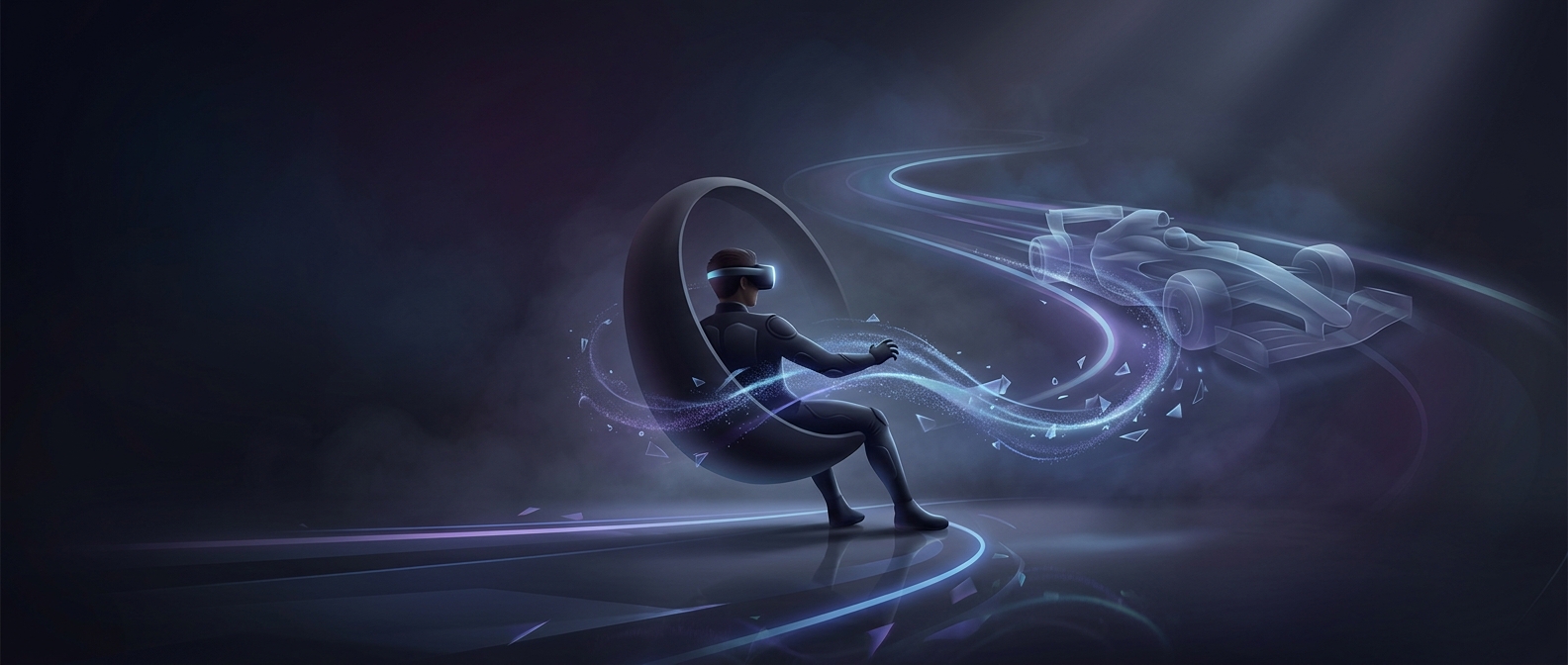
A sharp turn in a game is not just an image to watch. The screen shows the road or track sweeping sideways, while your hands make quick steering corrections. Your brain links those sights and movements to the familiar experience of turning in a car, on a bike, or while running. It can recruit the muscles used to brace and shift your weight even though your torso has no effect on the game.
That response is a small example of embodied prediction: the brain uses bodily actions to anticipate what is happening and what might happen next. Leaning may make the maneuver feel more immediate, as if your body were helping guide the vehicle. It is not a conscious strategy so much as an action pattern triggered by the scene.
Why the lean grows with the turn
A gentle bend asks little of the player. A tight corner brings stronger visual motion and often demands faster input; the game may also make a mistake feel costly. Those cues can intensify the body’s response. Players may lean toward the inside of the turn, tense their shoulders, or shift in the seat, echoing how people brace against a real change in direction.
The movement is expressive, not functional: the game reads the controller or keys, not the player’s posture. Yet the lean can still change the experience. It gives a physical outlet to concentration and tension, making a digital corner feel like something the player is navigating rather than merely watching.