The Papers That Changed a Shot’s Path
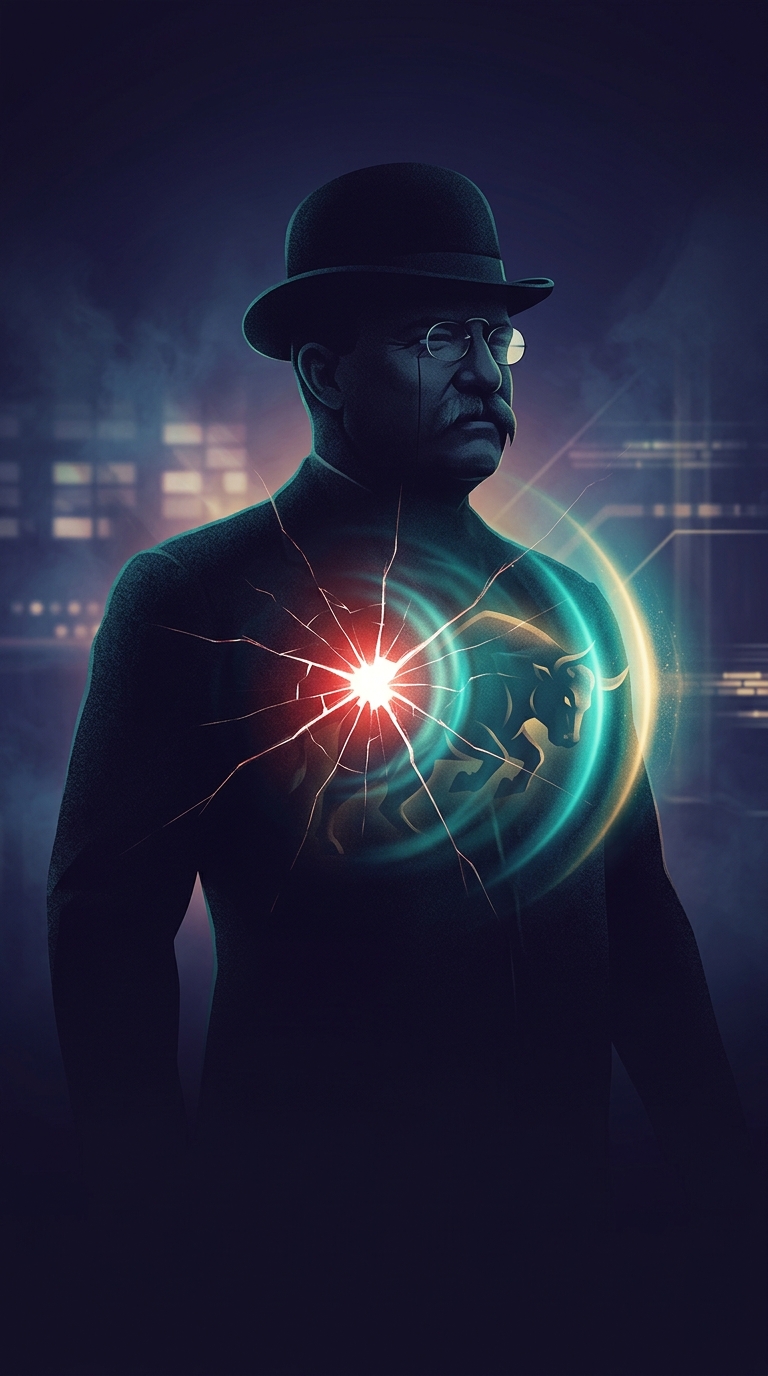
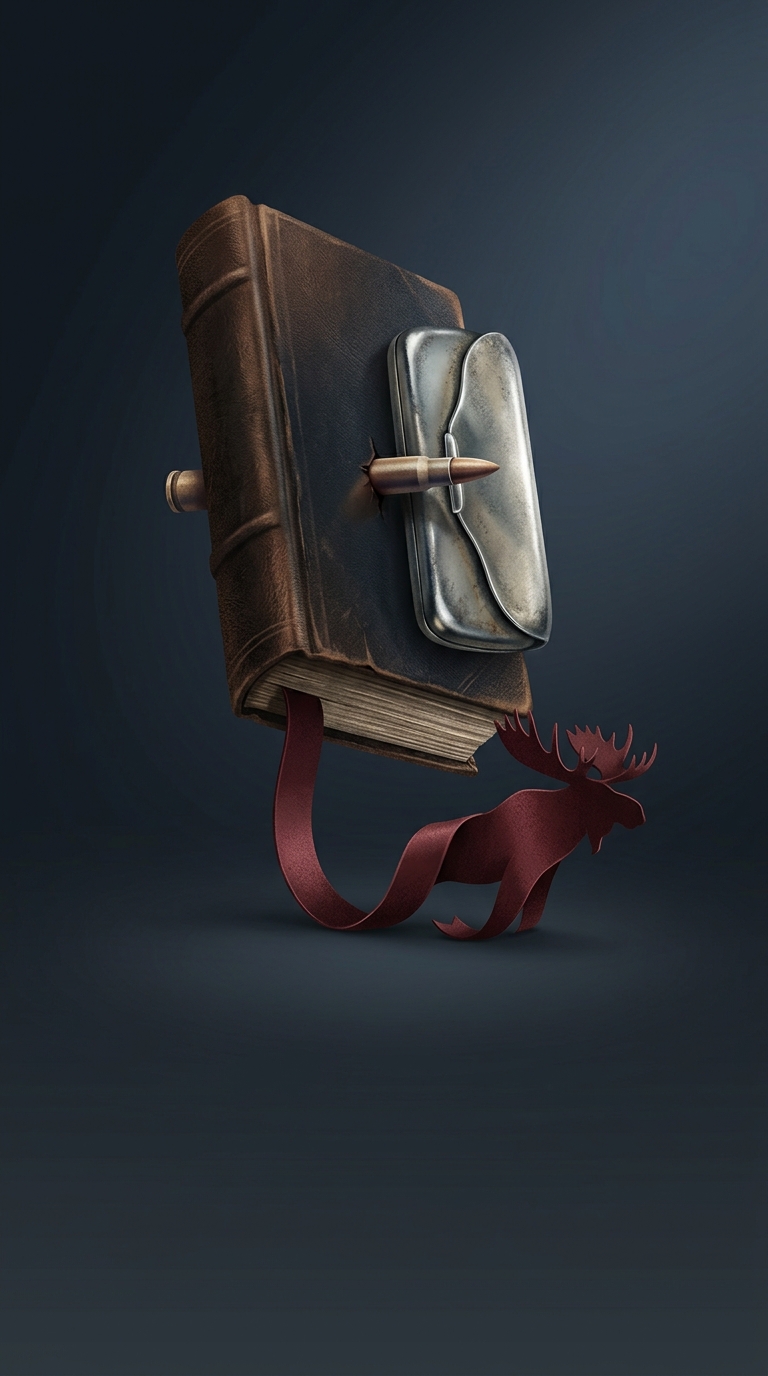
On October 14, 1912, Theodore Roosevelt was campaigning in Milwaukee when John Schrank shot him at close range. The bullet did not strike an unprotected chest: it first passed through a folded speech manuscript and a metal eyeglass case Roosevelt was carrying in his pocket. Those objects slowed it, but did not stop it. The bullet entered his chest and remained lodged near his ribs.
That accidental barrier mattered because a bullet’s damage depends not only on where it hits, but also on how much force it carries when it gets there. The paper and case reduced the bullet’s speed before impact, helping limit the injury. They were not armor designed to stop gunfire; they happened to be between the weapon and Roosevelt’s body.
Why He Kept Speaking
Roosevelt realized he had been hit, but the wound did not immediately prevent him from standing and talking. He told the crowd what had happened and chose to continue his address before going for medical care. The manuscript’s many pages also gave him a practical clue: the bullet had torn through the papers on its way to his chest.
He spoke for roughly 90 minutes, then went to a hospital. Doctors determined that the bullet was lodged in his chest and left it in place rather than risk removing it. The episode’s striking lesson is not that a speech can substitute for treatment, but that ordinary objects can alter a projectile’s path—and that Roosevelt’s decision to finish speaking came before anyone knew how serious the wound might be.