How a neck rib can crowd the route to the arm
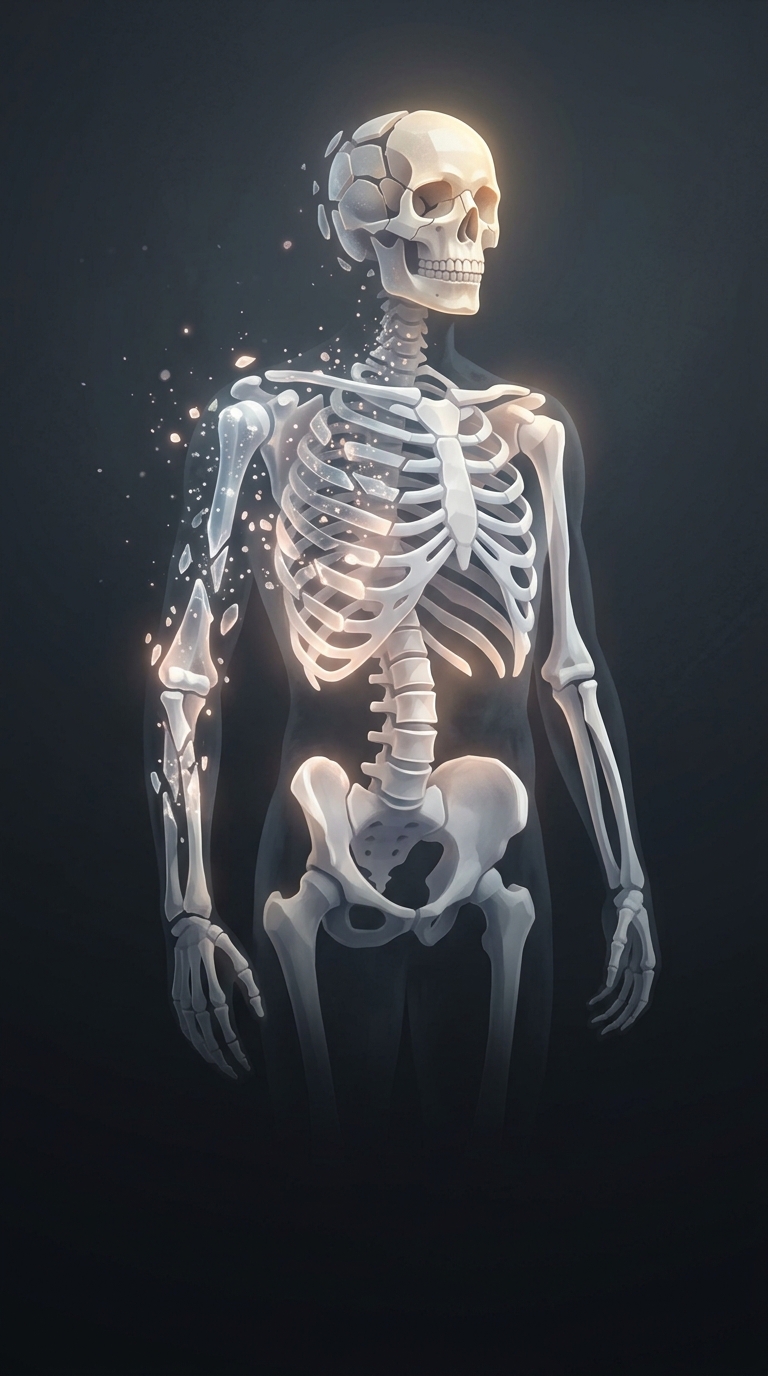
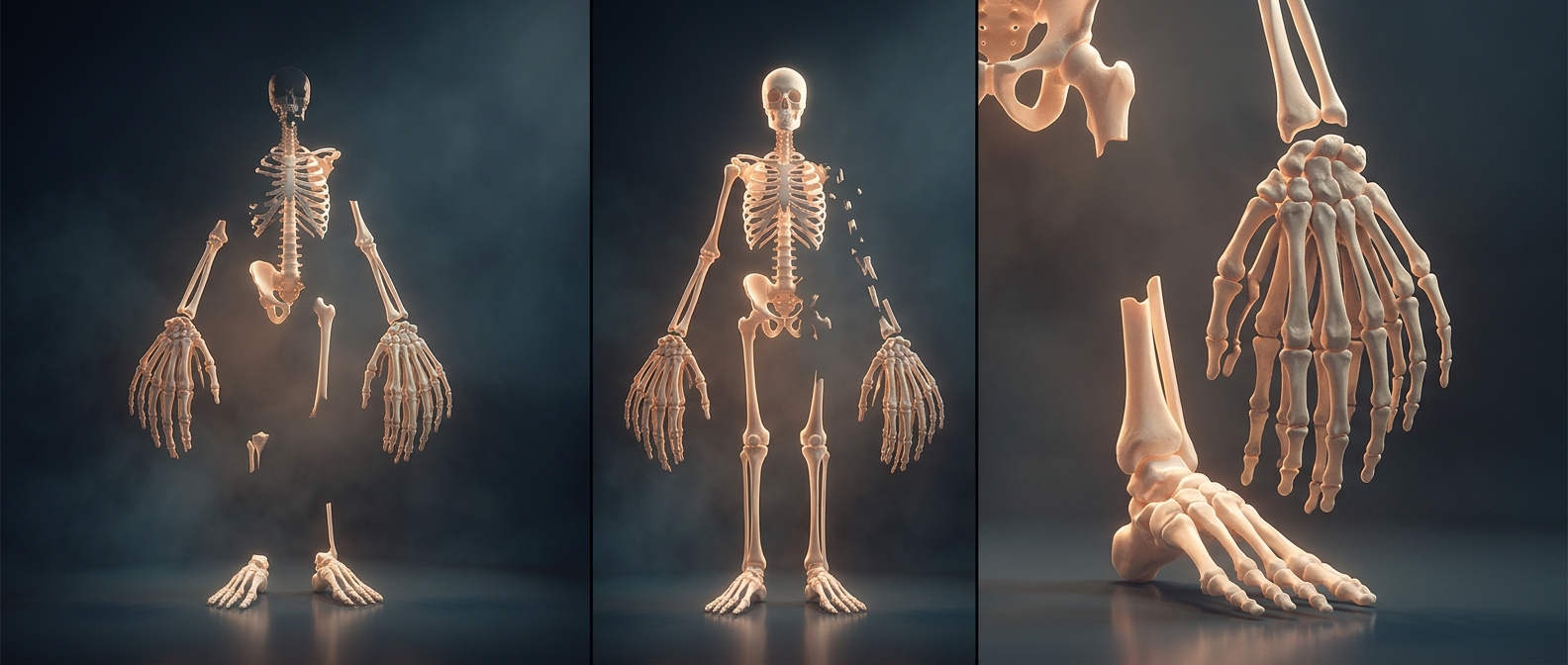
A cervical rib forms from the lowest neck vertebra, rather than from the part of the spine that normally supports the ribs. It may be a small stub of bone or extend farther toward the first usual rib. This is a developmental variation, not an extra rib that the body later grows in response to activity.
The rib itself may cause no trouble. The concern is the tight passageway between the neck and shoulder, where nerves traveling to the arm—and nearby blood vessels—run beneath muscles and bones. A cervical rib can narrow that space or alter the path of those structures. Pressure may become more noticeable with certain arm positions, which can further tighten the passage.
Why the same anatomy affects people differently
Many people with a cervical rib have no symptoms. When nerves are compressed, a person may feel aching, tingling, numbness, or weakness in the shoulder, arm, or hand. Compression of a blood vessel can instead affect circulation, though that is less common. Symptoms can also arise from other structures in the same area, so finding a cervical rib on an image does not by itself prove it is the cause.
Clinicians consider the pattern of symptoms and examine the neck, shoulder, and arm; imaging can show the bone, while other tests may help assess nerve or blood-vessel involvement. Treatment depends on what is being compressed and how much it interferes with daily life. It may begin with changes in activity or physical therapy, with surgery considered in selected cases when significant compression persists.
The practical consequence is that an unusual bone can be harmless for years—or matter only when it leaves too little room for the nerves and vessels passing beside it.