A street assault became a media riddle
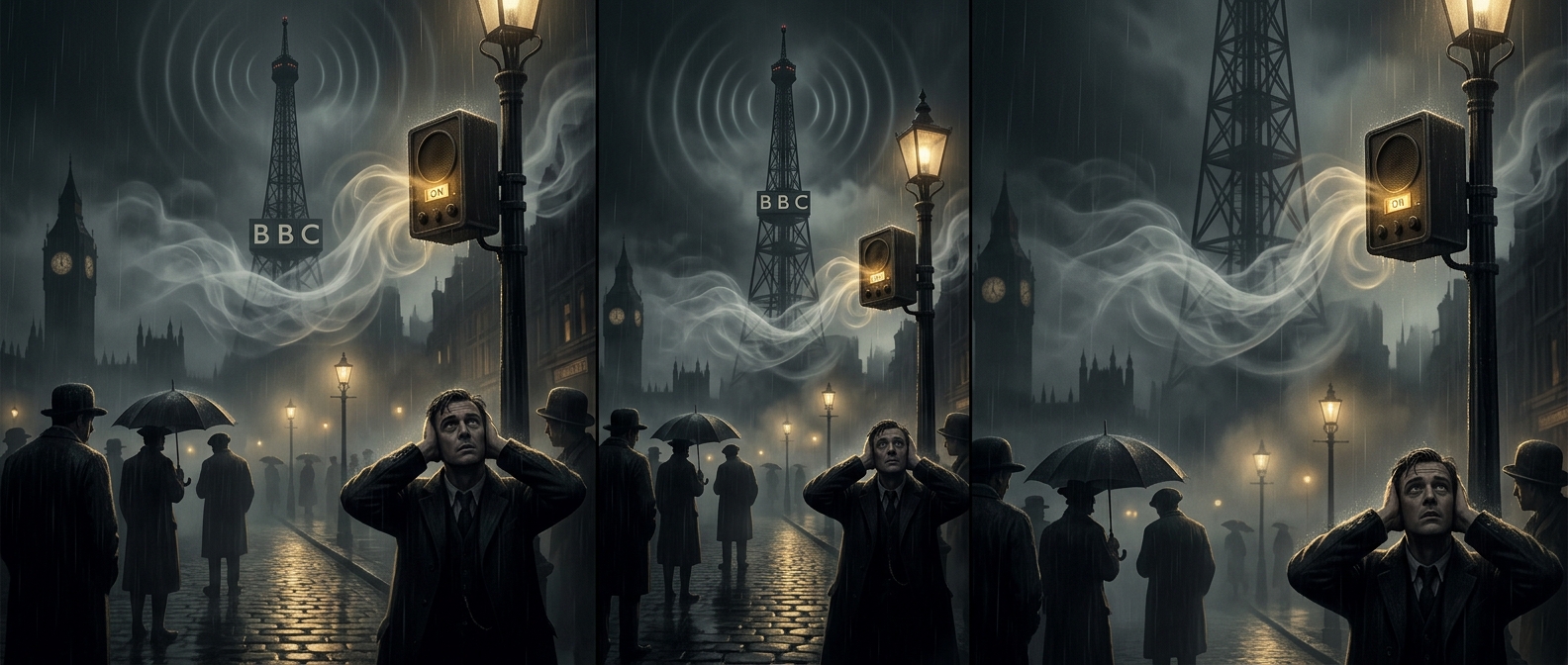
The question stayed in public memory because it sounded like a clue with its key missing. In 1986, Dan Rather was walking in Manhattan when two men attacked him; one repeatedly asked, “Kenneth, what is the frequency?” Rather did not know a Kenneth who might explain the question, and it offered no clear motive for the assault.
For years, the phrase circulated as an unanswered puzzle. Its odd specificity made it easy to repeat—and harder to forget. “Frequency” suggested broadcasting or radio signals, but that was an association listeners supplied, not an explanation Rather could give at the scene.
The later identification
In 1994, police identified William Tager in connection with the attack. Tager had been arrested after killing an NBC stagehand, and accounts of his case described delusions involving television and broadcasters. That background offered a possible frame for the strange question: it may have reflected Tager’s confused beliefs about the media, rather than a reference to a real person named Kenneth.
The identification gave the episode a likely source, but it did not turn the words into a neat, fully decoded message. The second attacker was not identified, and the question’s exact meaning remained uncertain.
A question that outlived the mystery
That gap between a memorable phrase and an incomplete explanation helped it travel beyond the news. R.E.M. made it the title of “What’s the Frequency, Kenneth?,” a 1994 song that brought the incident to a much wider audience. The title sounded like a demand for information; the real episode offered no satisfying answer.
The phrase endured not because it revealed a hidden broadcasting secret, but because it captured a stranger thing: a public figure being confronted with words that seemed important to the person saying them and baffling to everyone else.