When “invisible” meant being ignored
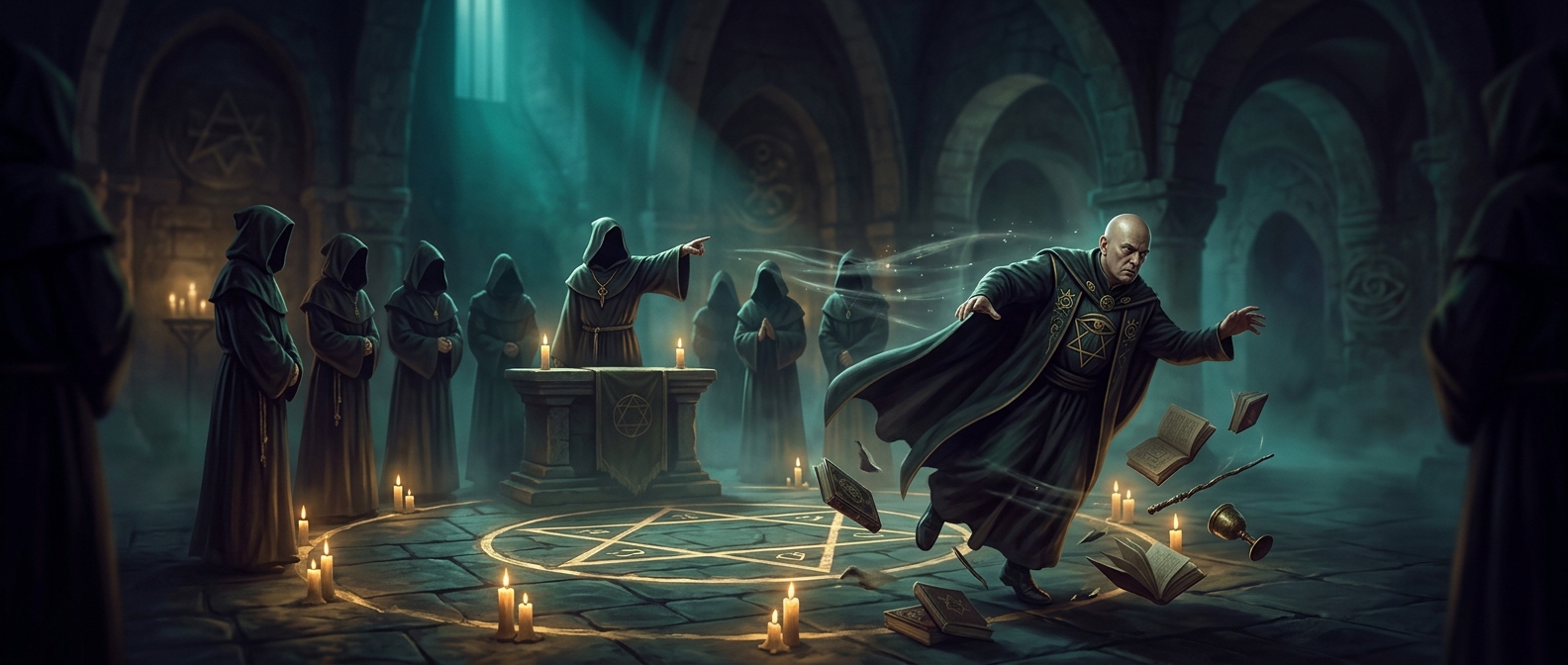
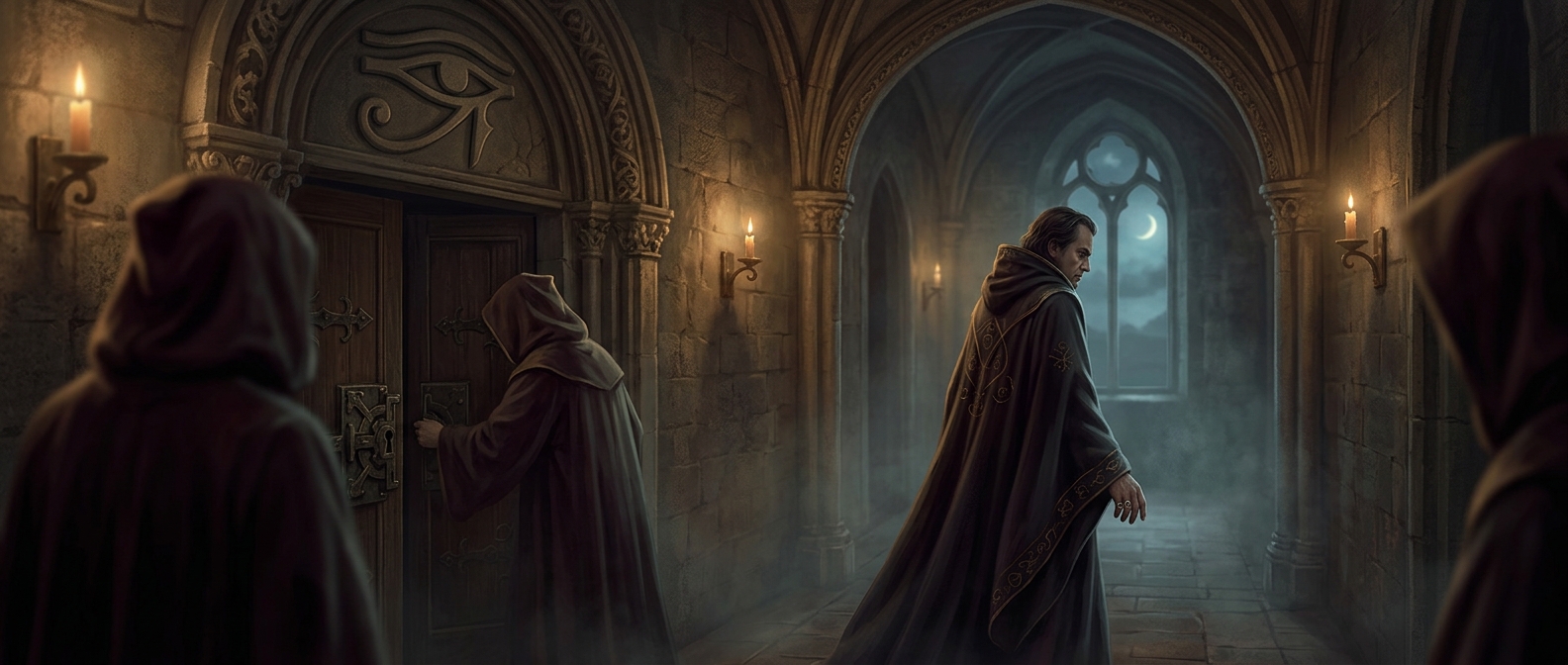
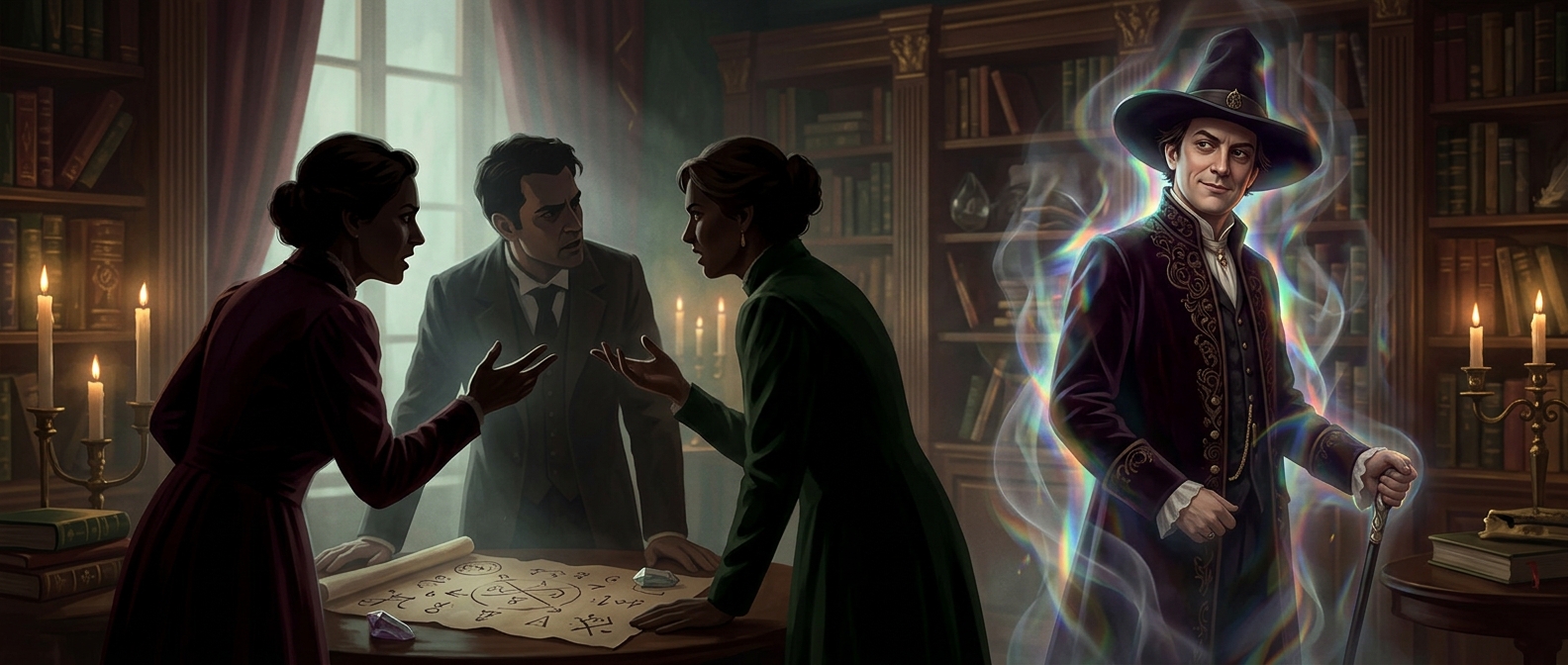
Aleister Crowley’s magical experiment hinged on a gap between what he intended and what the room did. Wearing a velvet robe and a conspicuous hat, he entered a ritual confrontation with members of a hostile occultist lodge. They did not acknowledge him. Crowley treated that silence as evidence that his attempt to become invisible had succeeded.
The episode turns on an ambiguity: being unseen is not the same as being unnoticed. The lodge’s silence could fit his interpretation, but it did not establish that anyone had literally vanished from view. In the scene as told, the result was social rather than visibly supernatural: people were present, yet no one responded to him.
How silence became evidence
A ritual gives actions and reactions special meaning. Once Crowley had set out to test a magical effect, the others’ refusal to engage could look like the very outcome he expected. But the same silence could also mean simply that they chose not to answer him. The anecdote does not resolve that ambiguity; it shows how readily an unexplained response can be folded into the story someone is testing.
That is why the silly hat matters. The outfit makes the scene seem almost impossible to mistake, while the lack of acknowledgment leaves Crowley room to interpret what happened as success. The memorable “invisibility” is not a demonstrated disappearance, but a strange contest in which being ignored was the only sign he counted.