A game built around a forfeit
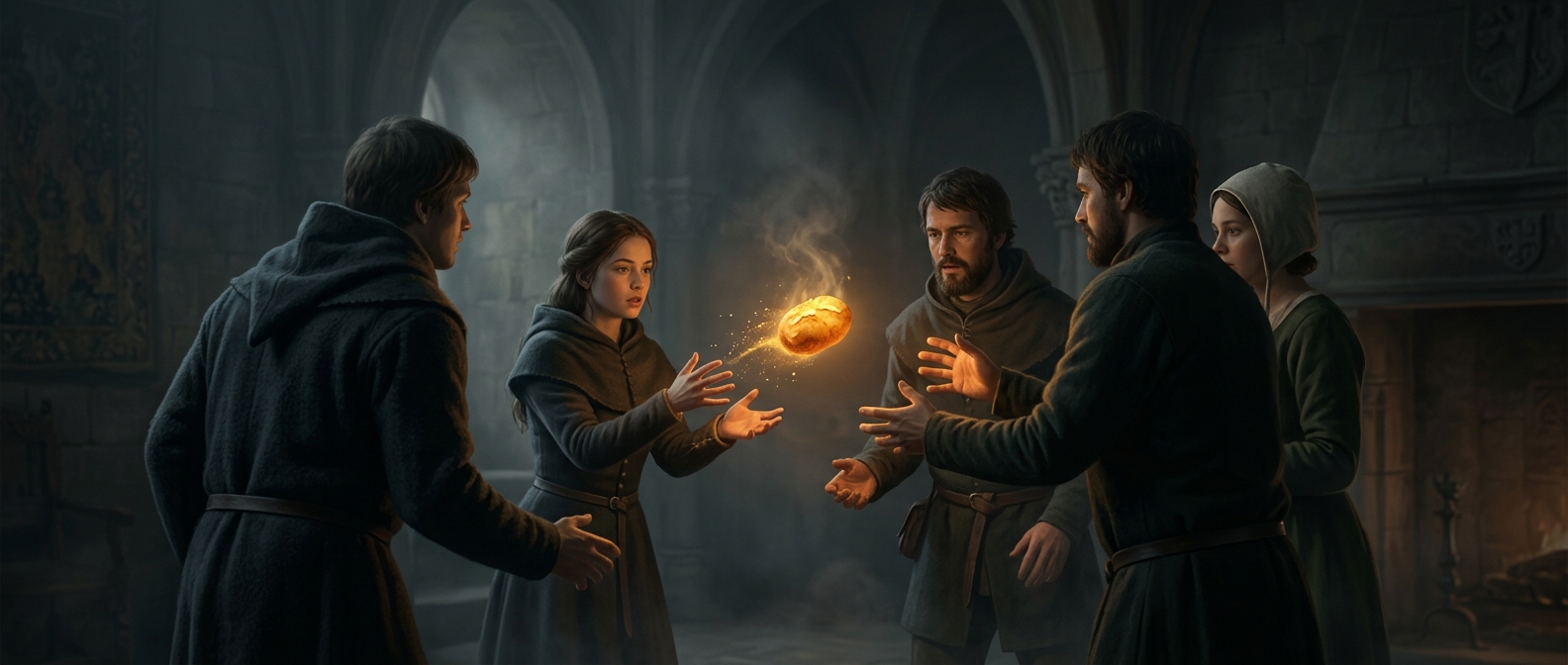
In the medieval game known as “Questions and Commands,” a player faced a choice: answer a question or carry out an order, or pay a fine for refusing. The penalty made participation more than a matter of teasing. Even a player who would rather stay silent or ignore a command had something at stake.
How the penalty changed the game
A forfeit is a consequence imposed when someone declines or fails to complete a challenge. Here, money supplied the pressure that later versions could create through embarrassment, dares, or social expectations. The basic structure was already familiar: one person posed a question or command, and the other had to choose between complying and accepting a cost.
That arrangement also gave the group a way to keep play moving. Without a consequence, a player could simply refuse and end the exchange. A fine turned refusal into part of the rules, making the choice itself consequential—even when the player did not answer or obey.
The lasting design
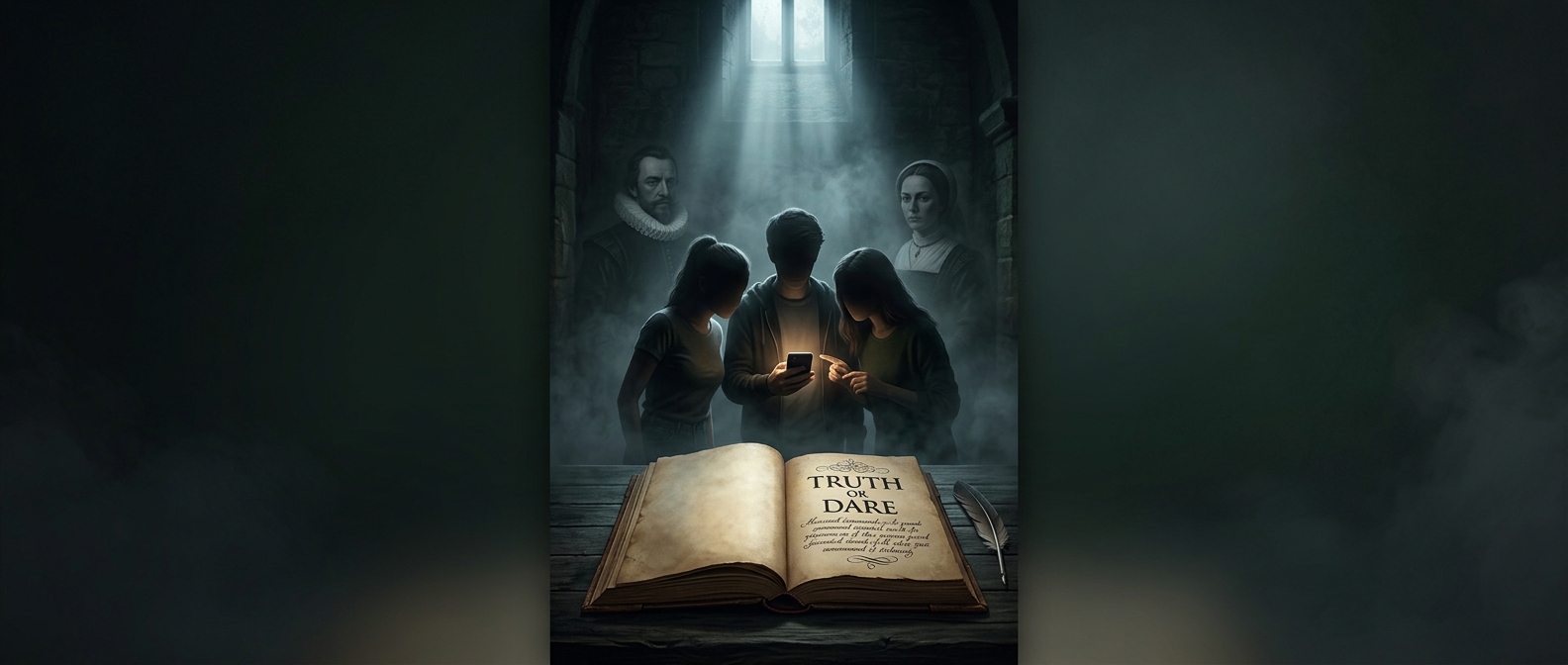
The medieval name describes the game’s two kinds of challenge directly: questions and commands. Its central mechanism survives in modern truth-or-dare: a player is asked to reveal something or do something, with a forfeit attached to declining. The fine is a reminder that the game’s tension did not require elaborate equipment. It came from making every player choose between the challenge and the cost of saying no.