How pollution turns production into pressure
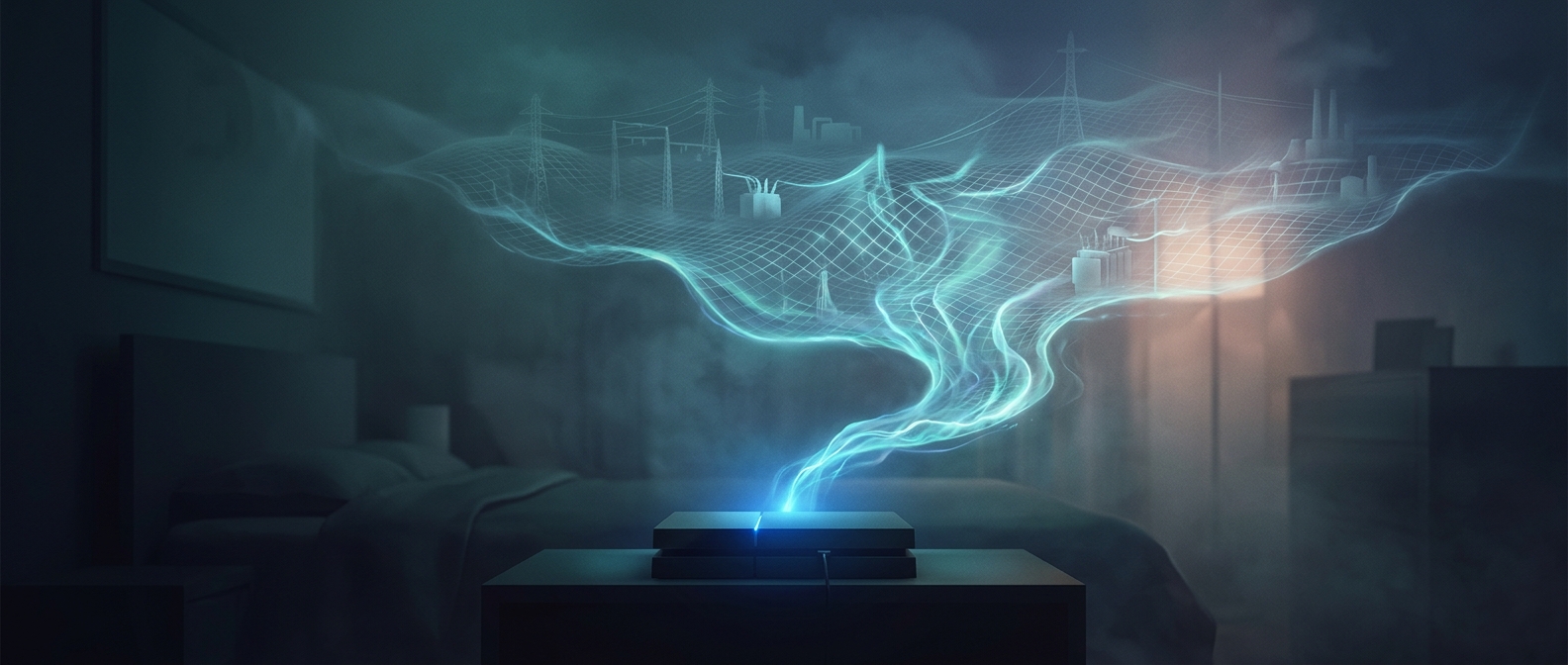
In Factorio, pollution is a working part of the simulation, not merely a colored haze. Machines that burn fuel or consume energy add pollution to the map. It spreads outward, while trees, terrain, and alien nests absorb some of it. The shape of the cloud therefore changes as a factory grows and as the landscape around it changes.
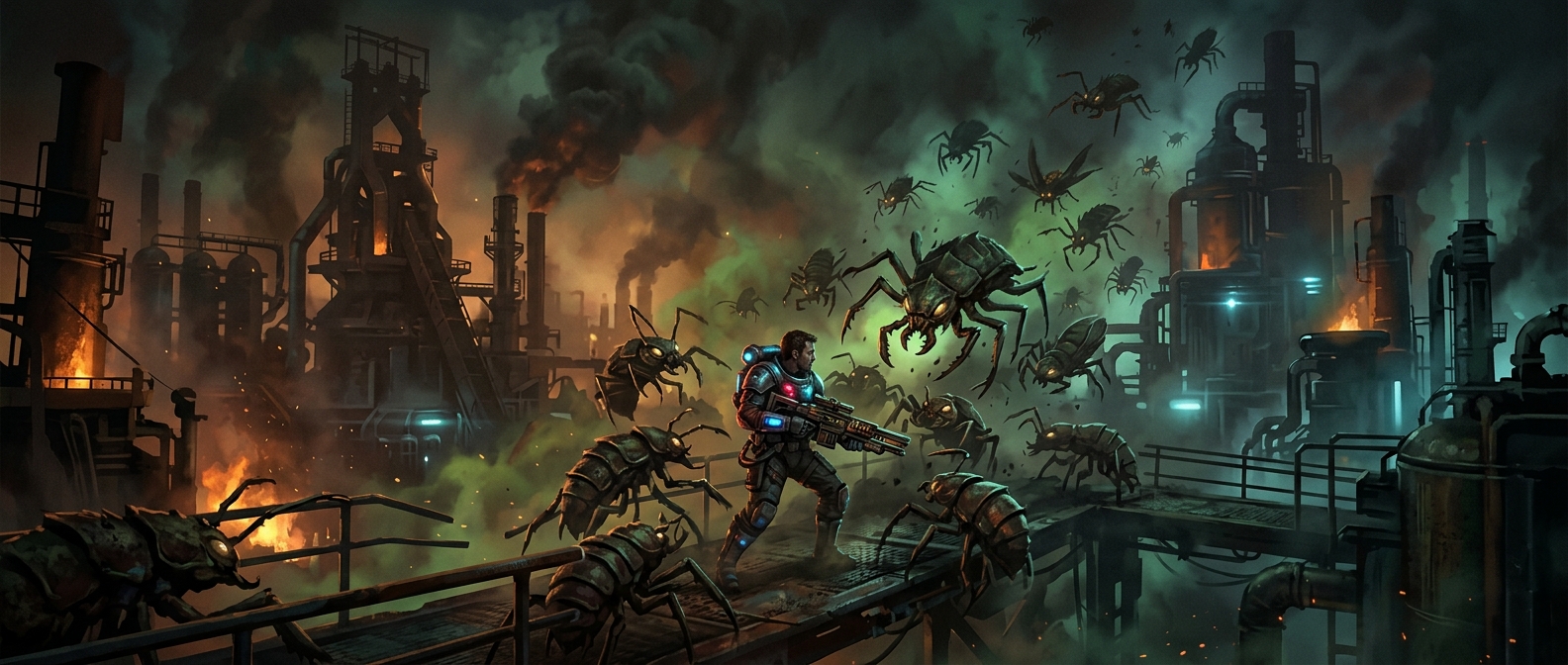
A nest that absorbs pollution can use it to produce an attack group. Those creatures then travel toward the pollution source, threatening the machinery that is generating the cloud. The chain is simple but consequential: more production can mean more pollution reaching nests, which can mean more attacks on the factory.
Expansion has a defensive cost
That link makes industrial growth a planning problem. A new furnace line may speed up research or construction, but it can also push pollution into territory that was previously quiet. The player has to decide whether to expand, reduce emissions, clear nearby nests before the cloud reaches them, or invest in walls, turrets, and ammunition.
Pollution is not the only factor that makes the aliens tougher over time, but it helps drive that progression. So a factory’s footprint has consequences beyond the buildings it occupies: the farther its cloud spreads, the more likely the player is to draw attention from the surrounding nests. A busy production line can quietly become an invitation to attack.