A computer became the handheld’s gateway
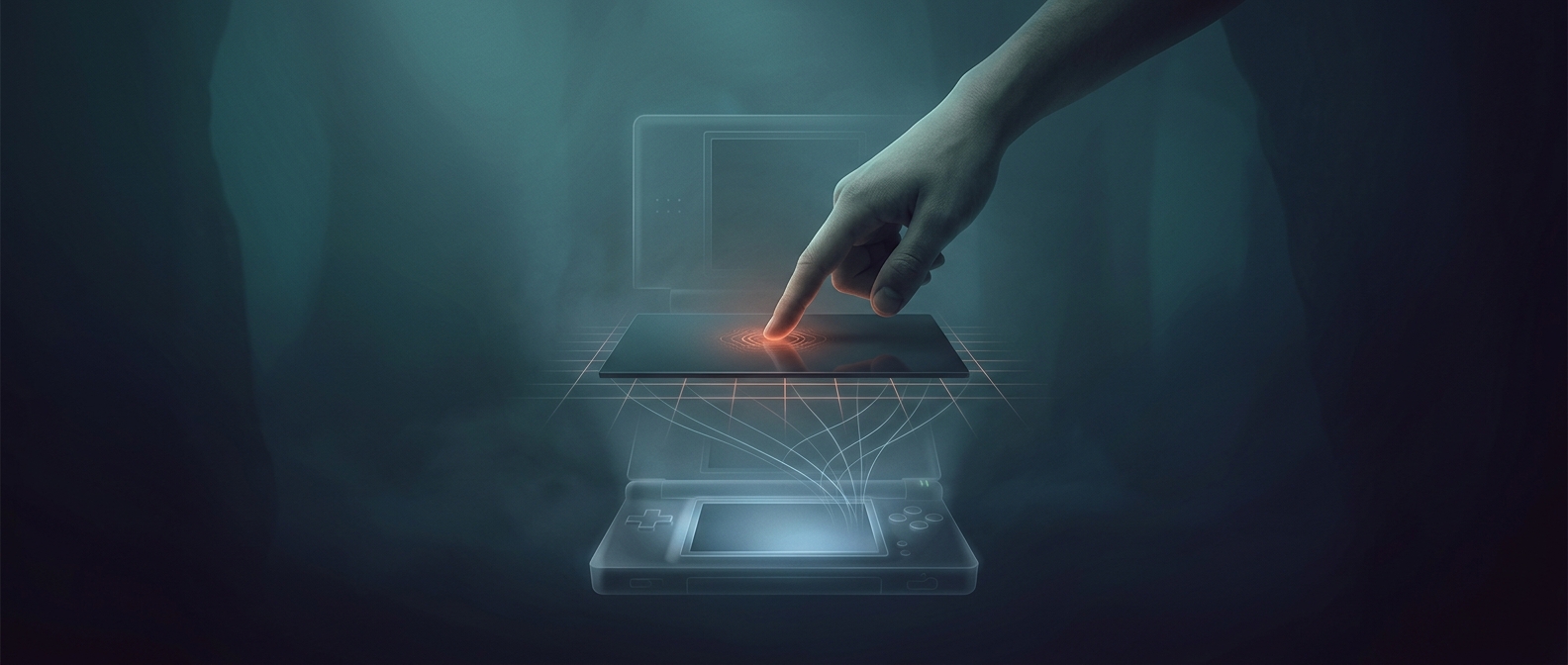
The Nintendo Wi-Fi USB Connector solved a practical problem: a handheld could have Wi-Fi, but its owner might not have a wireless router. The small adapter used the computer’s internet connection to fill that gap. After installing Nintendo’s software and plugging in the connector, the computer could provide a nearby wireless access point for a compatible Nintendo DS or Wii.
An access point is the device that lets wireless gadgets join a network. The handheld connected to the dongle over Wi-Fi; the computer then passed its internet traffic along through the computer’s own connection. The connector did not give the handheld internet by itself—the computer was the bridge.
Convenience with a catch
That arrangement turned an ordinary PC into a temporary home network, avoiding the need to buy and configure a separate router. But it also meant the computer had to be set up correctly and available whenever the handheld went online. The device was therefore a focused workaround for people who lacked wireless networking, not a portable modem that could connect from anywhere.
Its design reflects an awkward transition in home technology: Nintendo’s handheld could communicate wirelessly, while many players’ internet connections still ended at a computer. The USB connector joined those two worlds—and made online play possible by borrowing the computer’s place on the network.