Why a health emergency became a mental-health emergency
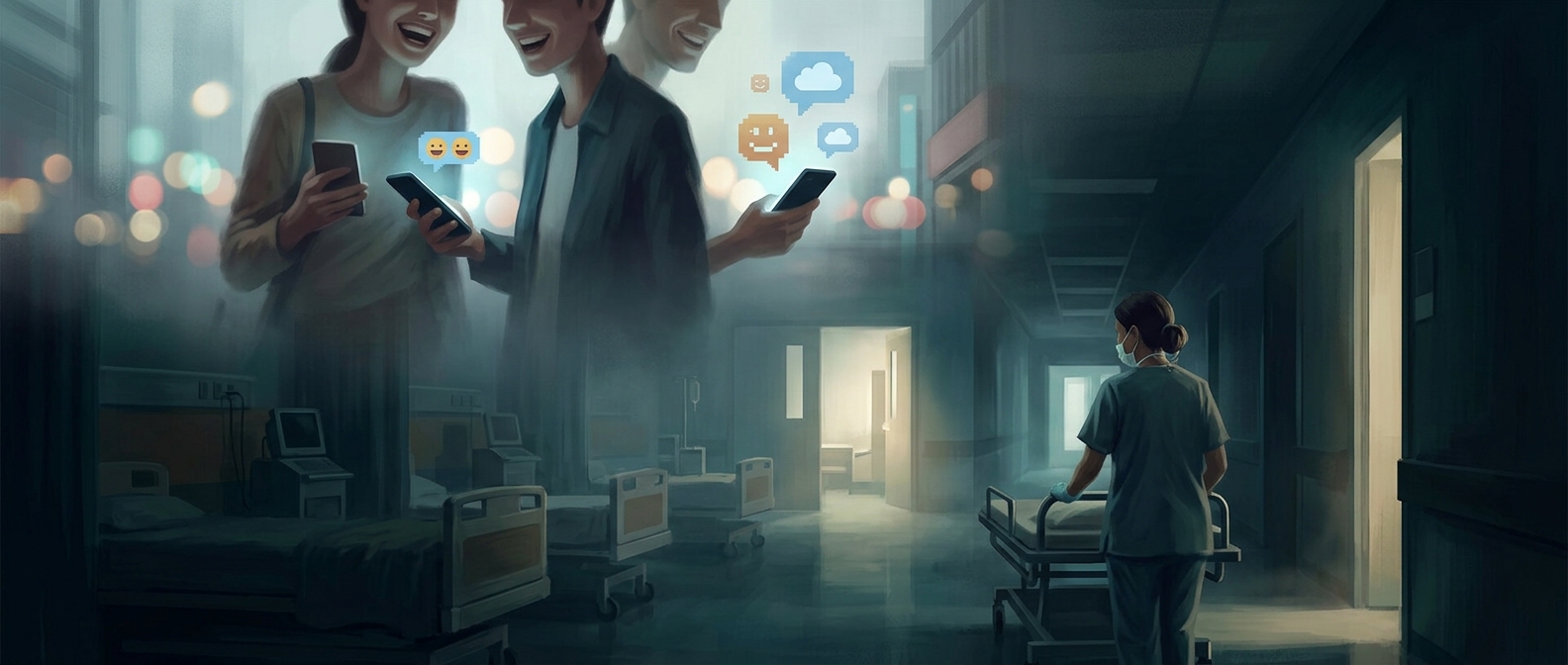
A fast-moving outbreak makes ordinary routines and expectations unreliable. People may worry about infection, loved ones, work, or what will happen next; isolation can also remove the everyday contact that helps them cope. The body’s stress response is useful in a short-term danger, but when uncertainty persists, vigilance can become hard to switch off. For some people, that can show up as anxiety, disrupted sleep, or episodes of intense fear.
Those effects were not proof that anxiety spread like an infectious disease. They reflected how a shared crisis could affect many people at once—and why emotional distress was part of the health emergency, not separate from it.
What symptom-tracking apps can—and cannot—show
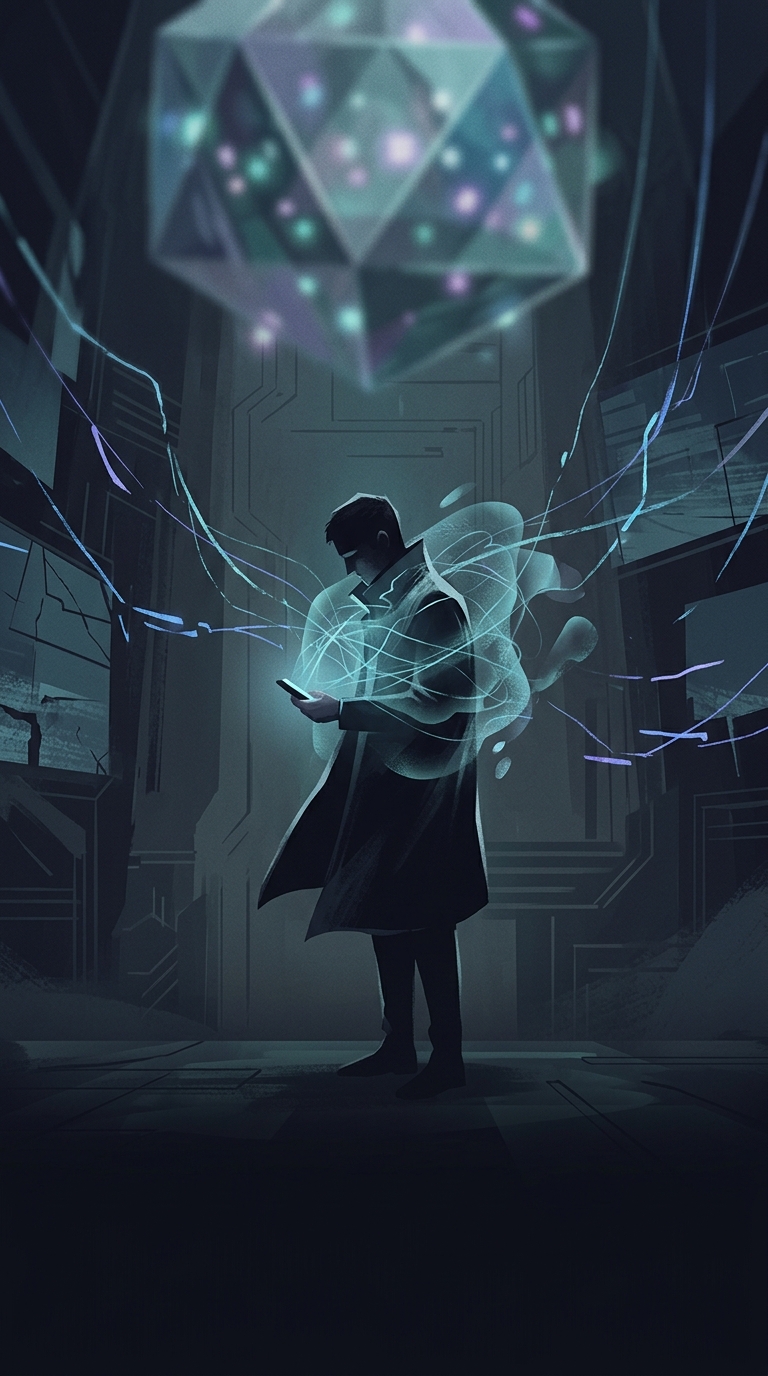
During lockdowns, digital health tools could ask users to record more than physical signs such as a cough or fever. A person might also note mood, anxiety, or sleep. Repeated entries can help someone notice a pattern—for example, that poor sleep and worry tend to rise together—and give them something concrete to discuss with a clinician.
But a check-in is not a diagnosis. Self-reported symptoms depend on what users choose to enter, and an app cannot by itself establish why someone feels distressed or determine the care they need. Such records are most useful as a prompt for attention, not a substitute for professional assessment.
The lasting change was what counted as health
The crisis made emotional strain harder to treat as a private concern that could wait until physical danger had passed. Public-health responses still need to address infection and bodily safety, but prolonged fear and isolation can shape whether people sleep, function, and seek help. Tracking both kinds of symptoms made that connection visible in everyday terms: a health check could include asking not only whether someone was coughing, but whether they were sleeping or coping.